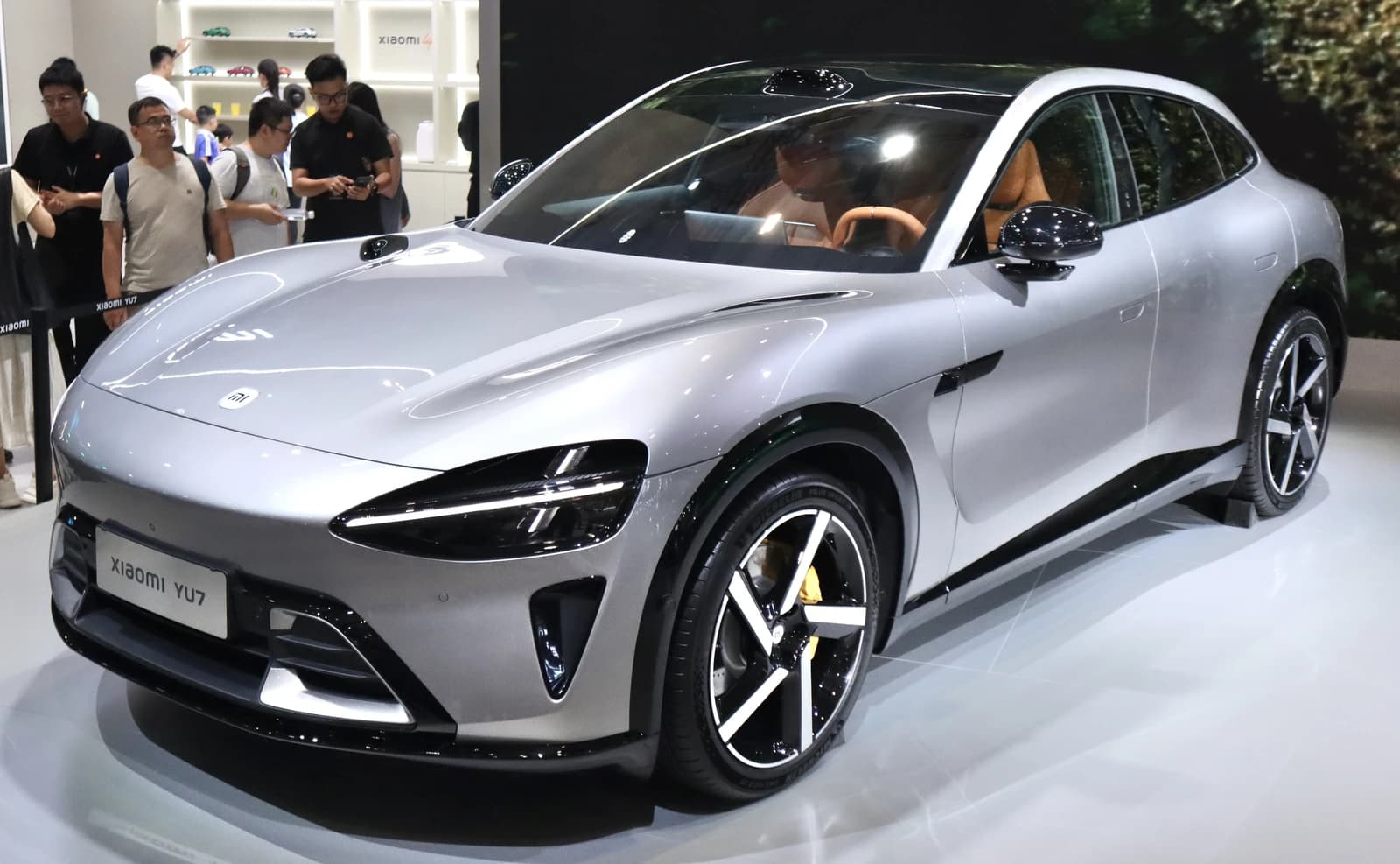
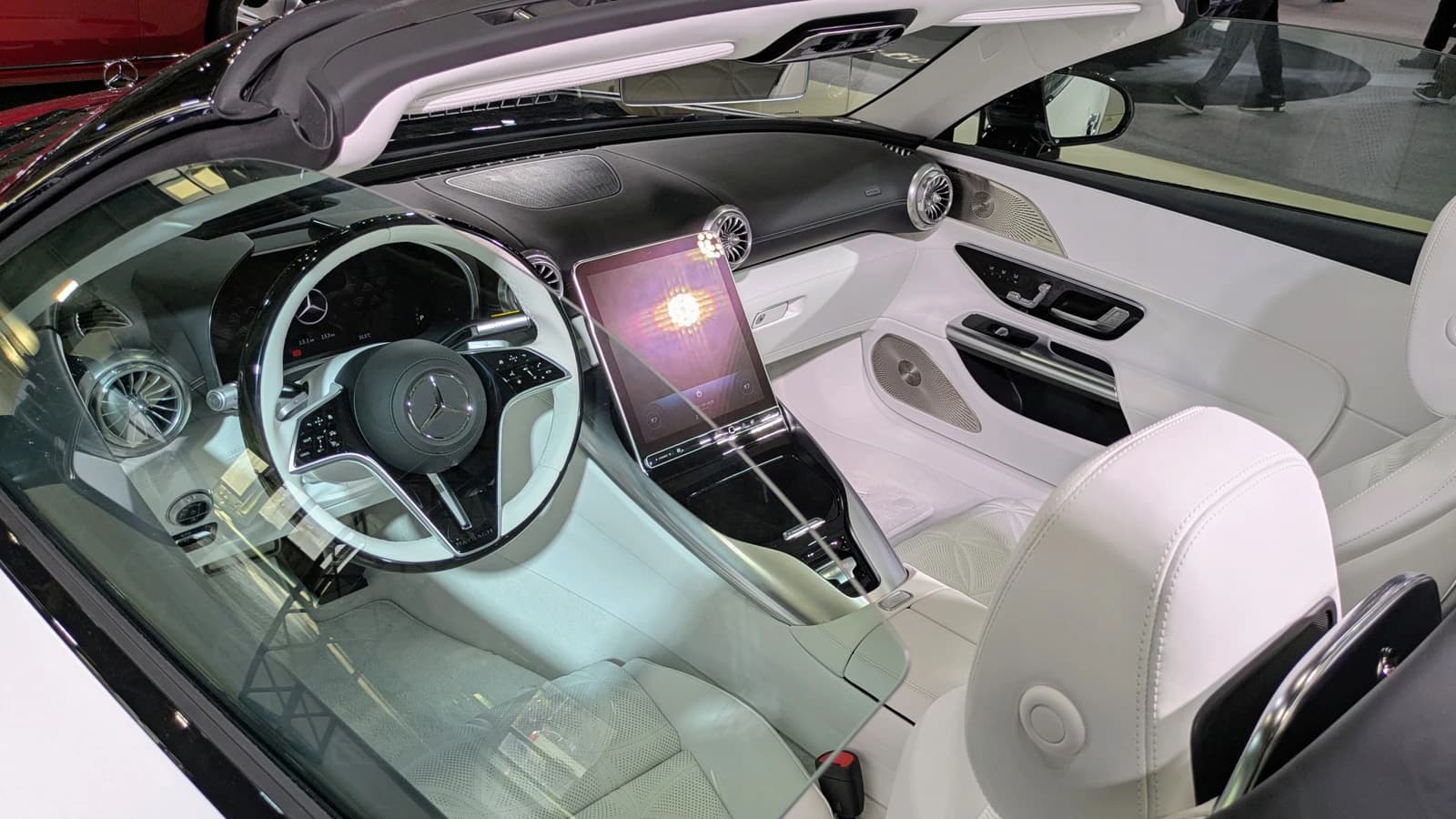
Ford’s new joint project with Geely is a sharp reminder that the next competitive battlefield in family cars is no longer just Detroit versus Japan or Europe versus China — it is who can source the best electric platforms fastest and cheapest. The pair will build a new crossover in Valencia using Geely’s GEA architecture, with production slated to start in 2028 and a broader program that could eventually span five models.
Ford and Geely plan Valencia EV crossover
That matters because the auto industry is being forced into a brutal equation: electrification, software and battery supply chains now determine margins as much as badge appeal. For Ford, the venture gives it access to Chinese engineering that is already optimized for electric and plug-in hybrid variants, while the Spanish plant becomes a lower-risk route to replenish a European lineup under tightening emissions rules. For Geely, the deal extends its platform influence into a Western brand ecosystem and turns Chinese technology into licensing power, not just domestic market share.
Sentiment IndicatorsⓘProprietary · adalytica.com · October 19, 2026
This is a snapshot — live sentiment, awareness and momentum for 130+ markets update continuously in the dashboard.Open AlphaPulse
The structure tells investors what is really happening. Ford keeps 66% control of the joint venture, while Geely holds 34%, and China’s SAMR has already approved the arrangement without conditions. That reduces regulatory friction and suggests both sides see value in moving quickly rather than litigating industrial policy. In practical terms, Ford is trying to cut development costs, shorten time to market and avoid building every next-generation vehicle from scratch — a crucial advantage when capex is rising across EV, software and battery programs.
The crossover itself is the first visible output, but the strategic story is much bigger. The platform can support battery-electric vehicles, plug-in hybrids and range-extended EVs, giving Ford more flexibility if consumer demand shifts away from pure battery models. That kind of optionality is becoming valuable as Western markets remain uneven on EV adoption and policymakers keep changing incentives. If the market is underestimating anything here, it is the speed with which legacy automakers are being pulled into Chinese-led technology partnerships simply to stay competitive.
The stock reaction backdrop also matters. Ford shares have been volatile but are holding above their 200-day moving average, while Geely’s U.S.-listed shares have been sliding back toward the lower end of their recent range. That creates a classic mispricing setup: the market tends to reward flashy EV pure plays, but the real upside often sits with the companies that own the platforms, the tooling and the manufacturing optionality. In this case, Geely’s technology and Ford’s global distribution network are the hidden levers.
For investors, the takeaway is that this is not just another auto tie-up. It is evidence that the family SUV market — one of the industry’s biggest volume pools — is being rewritten around shared platforms, cross-border engineering and capital discipline. That favors the companies that can monetize technology multiple times and punish those still trying to defend legacy architectures. I believe the better multi-year opportunity lies in the picks-and-shovels of this shift: platform owners, battery suppliers, industrial automation and the European factories that become the production hubs for the next generation of vehicles.
The next catalyst will be execution. If Ford and Geely can move from announcement to launch without delay, the venture could become a template for how Western and Chinese automakers collaborate in an industry where cost, software and electrification now decide who wins the family-car market.
| Entity | Gains | Losses |
|---|---|---|
| Ford | ▲Lower EV development costs | ▼Legacy platform dependence |
| Geely | ▲Platform monetization | ▼Margin dilution from JV sharing |
| European suppliers | ▲New production demand | ▼Standalone OEMs with weak EV tech |
| Pure-play EV rivals | ▲— | ▼Share of family crossover market |