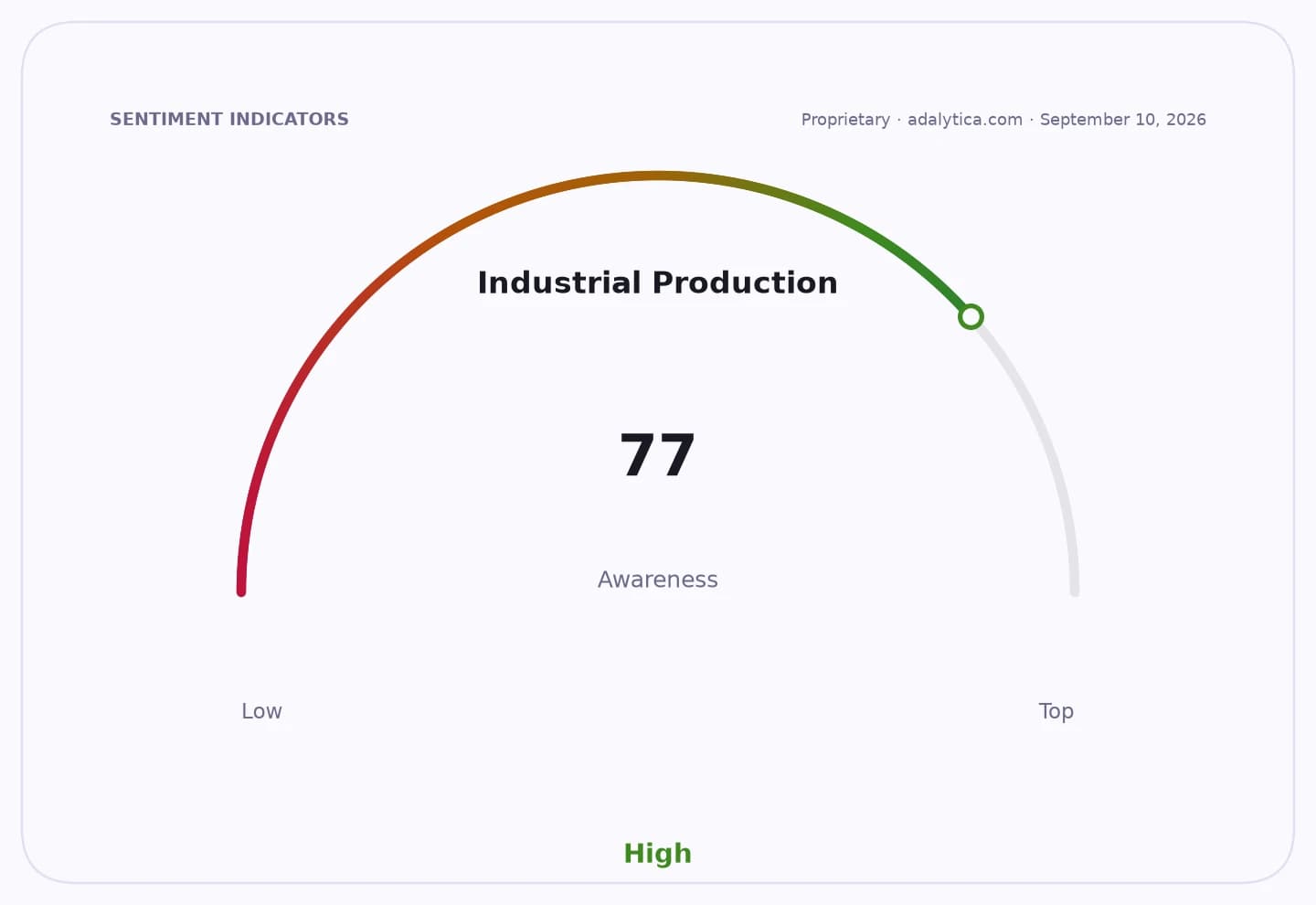
Hungary’s industrial production jumped 8.7% in August, giving the economy its clearest growth support at a time when retail sales, tourism and construction are weakening.
Hungary Industrial Production Rises 8.7% in August
The rebound matters because industry is doing most of the heavy lifting for a country that otherwise looks fragile. Without the export-driven manufacturing base, Hungary would be at real risk of stalling, with domestic demand still too soft to carry growth on its own.
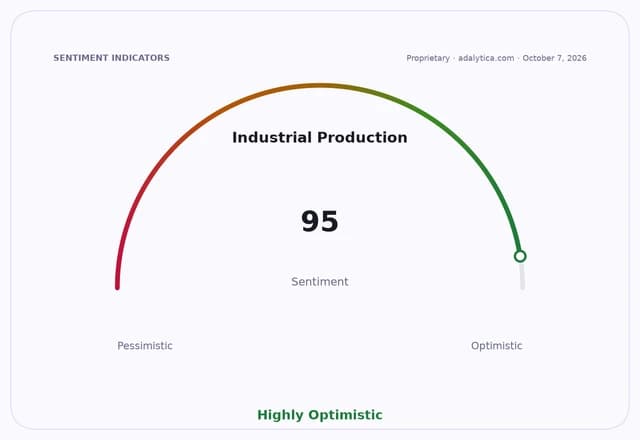
Sentiment IndicatorsⓘProprietary · adalytica.com · October 7, 2026
This is a snapshot — live sentiment, awareness and momentum for 130+ markets update continuously in the dashboard.Open AlphaPulse
The latest data from the statistics office showed the August rise was seasonally and calendar-adjusted, and came after months of uneven performance. Officials and economists said the lift was concentrated in vehicle production and electronics rather than reflecting a broad-based upswing across the economy.
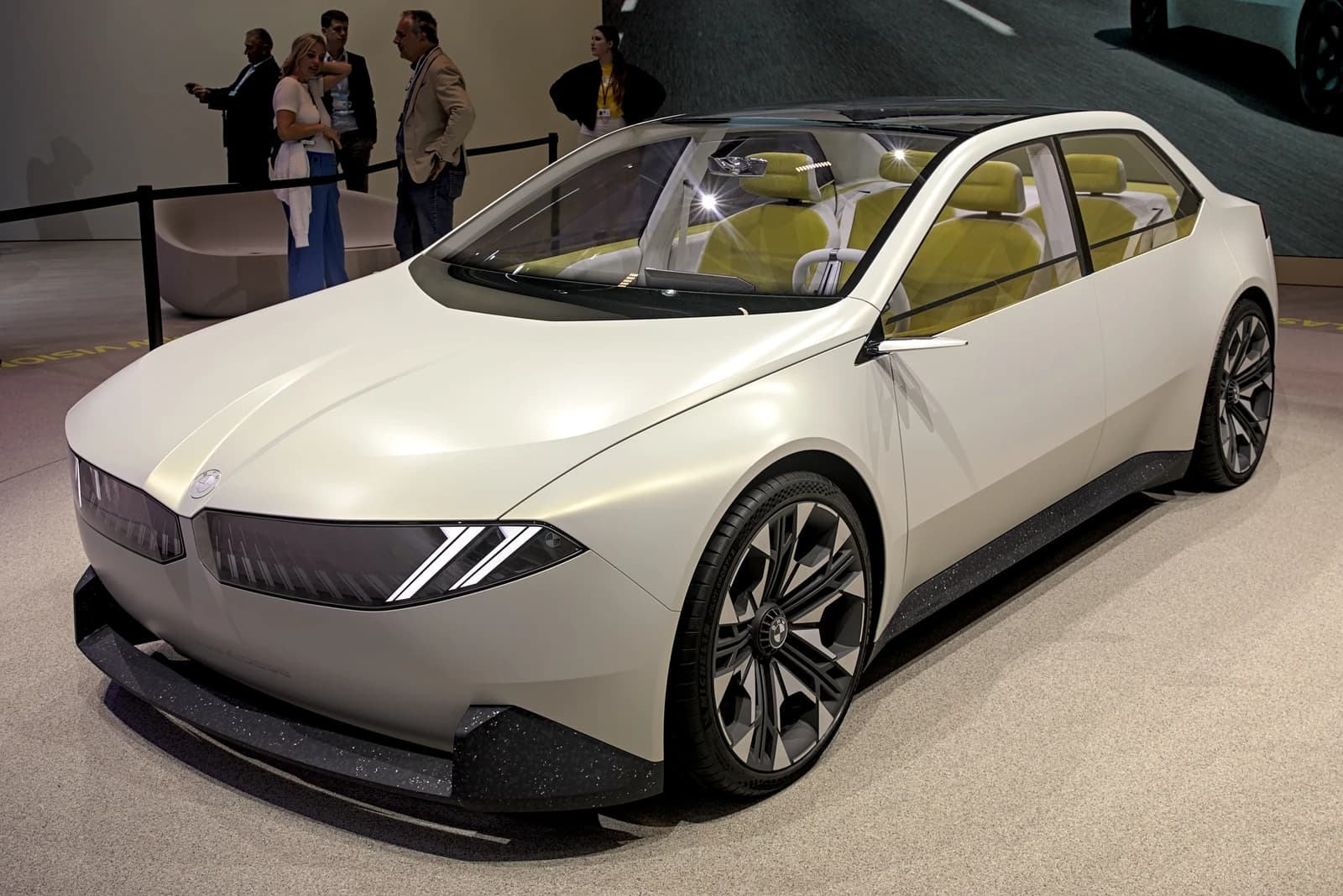
That puts fresh attention on the large foreign-backed factories in Hungary, especially Mercedes-Benz’s expansion in Kecskemét and BMW’s ramp-up in Debrecen. The BMW plant has reportedly moved into three-shift production as orders for its electric iX3 build, while Mercedes’ newly expanded unit has also started adding output.
For investors, the key message is that Hungary’s industrial base still depends heavily on a handful of big capital projects that were launched under the previous government. That supports near-term output, but it also leaves growth exposed to swings in German demand, energy constraints and policy changes around incentives for large manufacturers.
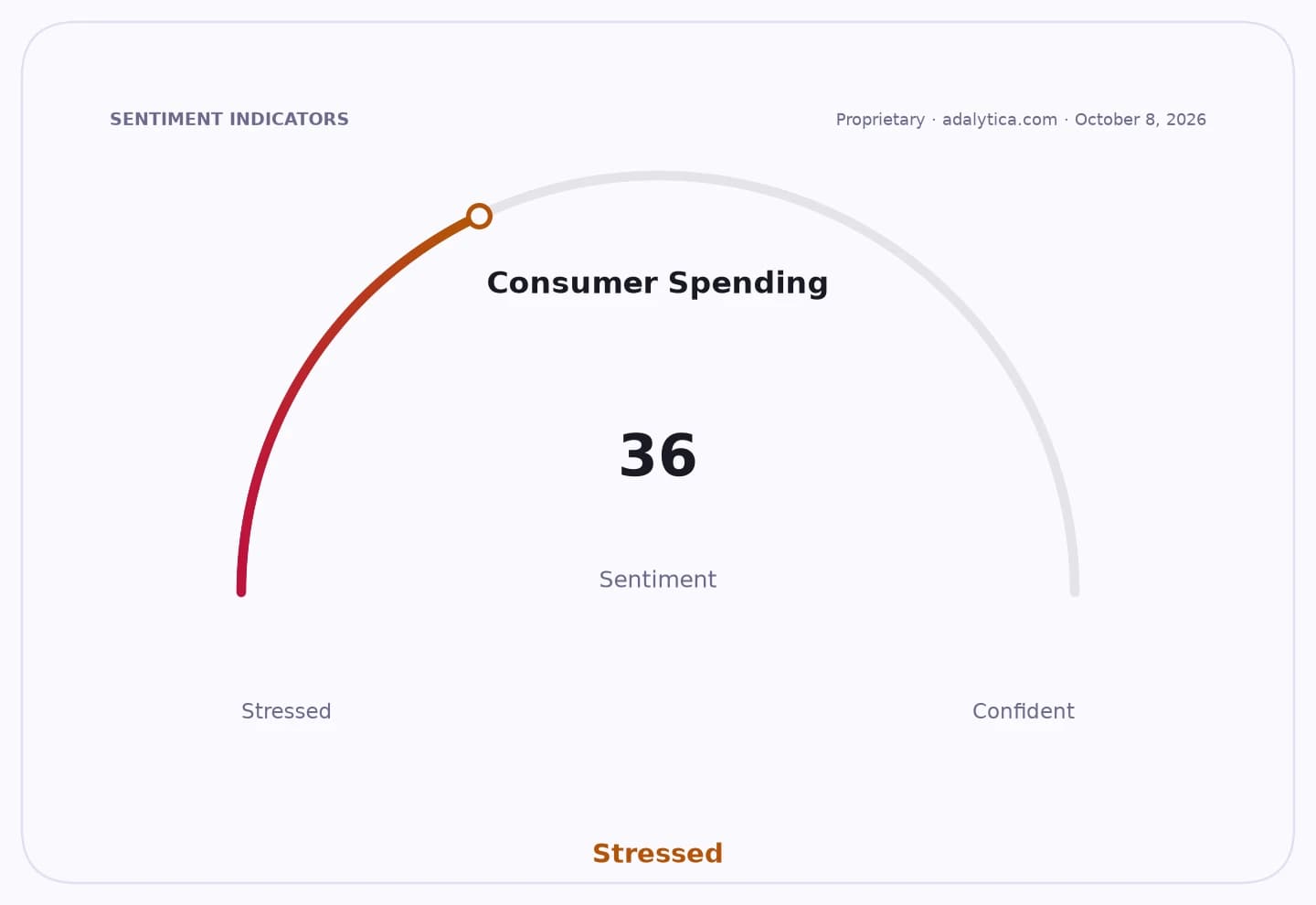
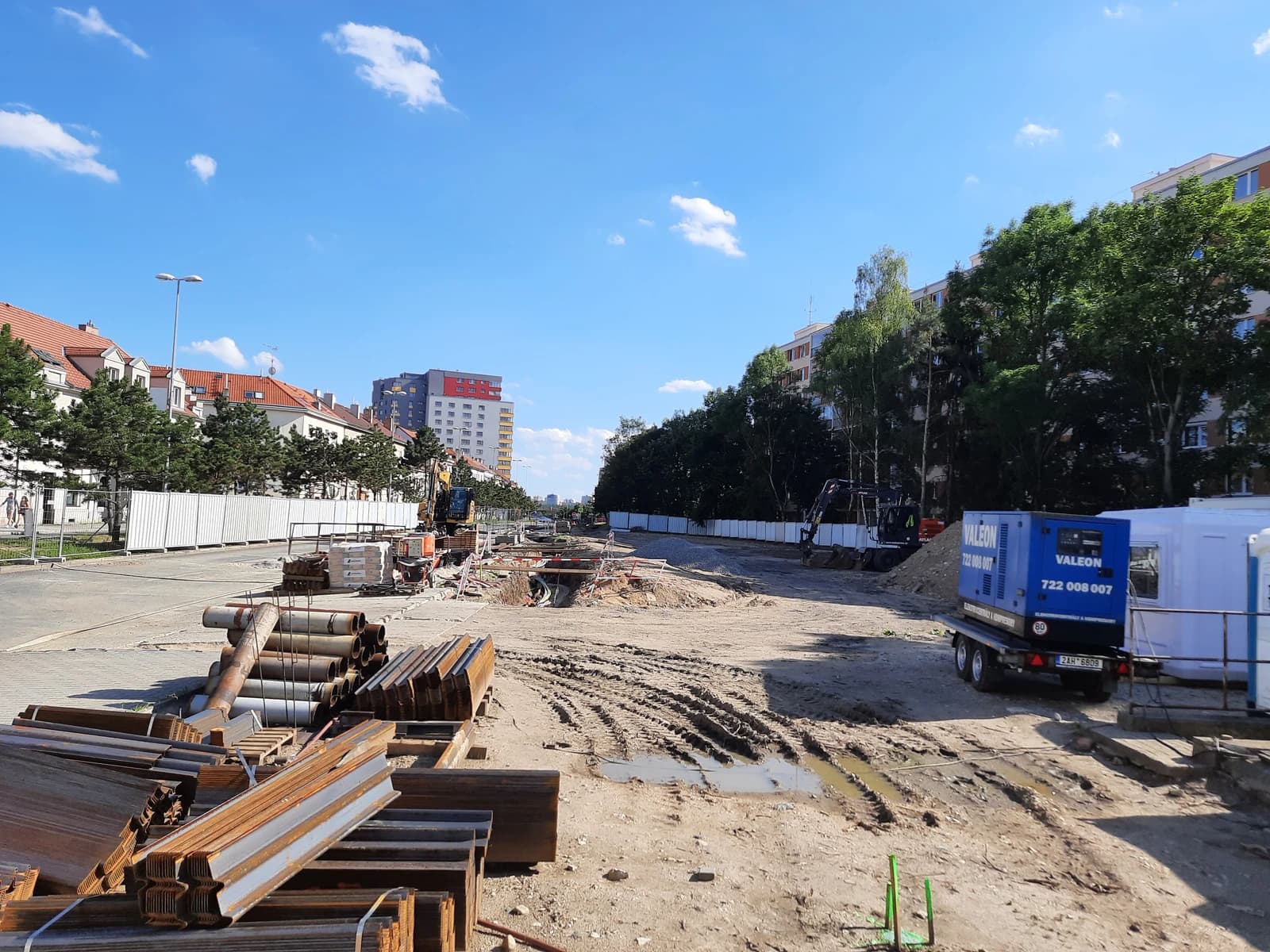
The backdrop elsewhere is much weaker. Retail sales growth slowed to 2.4% in August, tourism volumes fell 11% at the height of the summer season, the trade balance posted a €1 billion deficit and construction has dropped close to 10% from a year earlier.
The data also lands in the middle of a political fight over Hungary’s industrial strategy, with the new government signaling tougher environmental rules and a more skeptical stance toward big factory projects. The next test will be whether the current manufacturing surge can broaden beyond a few flagship plants before external demand cools further.
| Entity | Gains | Losses |
|---|---|---|
| Mercedes-Benz | ▲Higher Hungarian output | ▼Policy uncertainty |
| BMW | ▲Ramp-up at Debrecen plant | ▼Weak German demand |
| Hungary’s economy | ▲Near-term growth support | ▼Reliance on factories |
| Domestic consumers and construction | ▲— | ▼Soft demand, weaker activity |