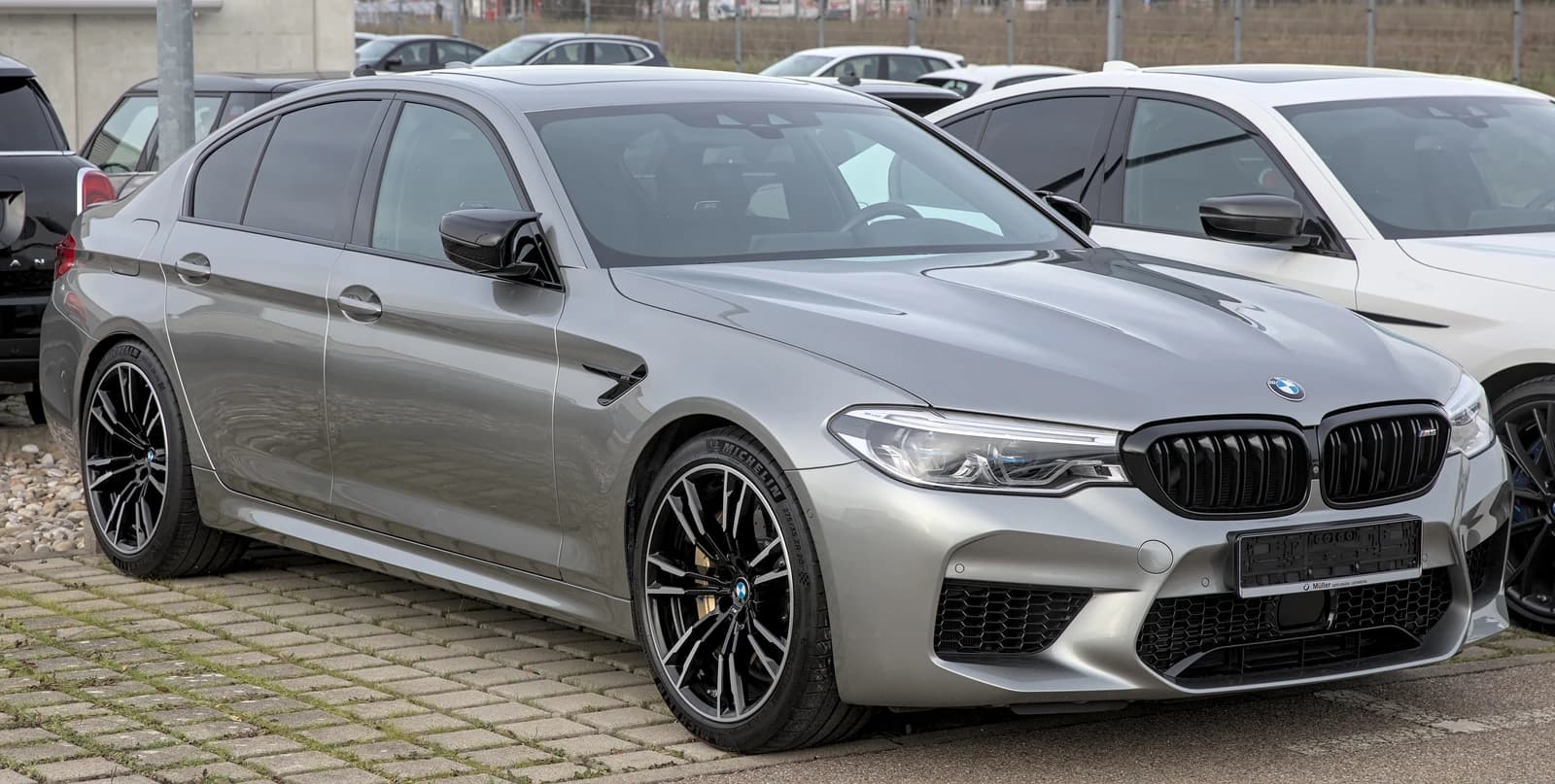
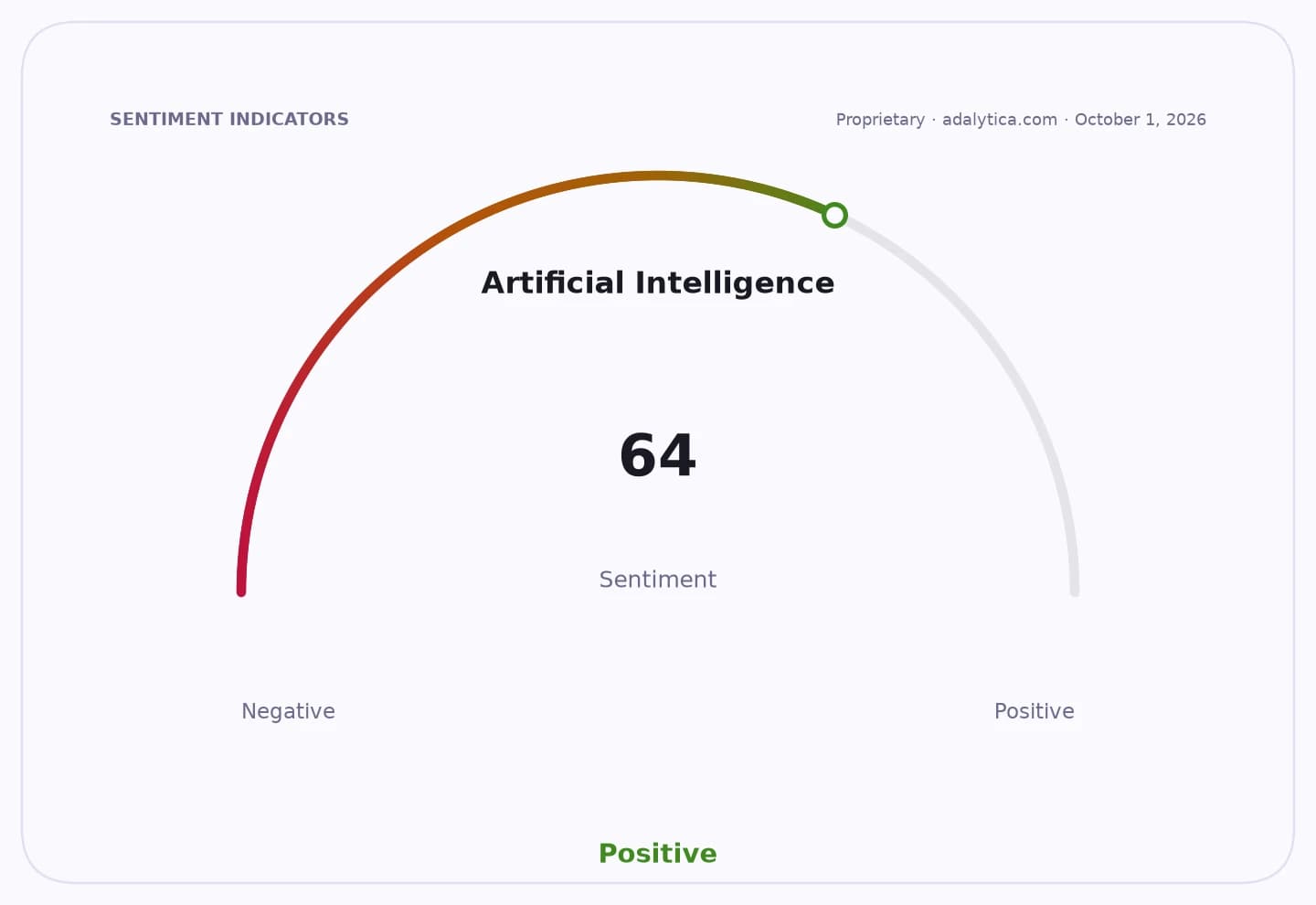
BMW is moving to use artificial intelligence to shorten vehicle development cycles and reduce management layers, a shift that matters because the company’s edge has long been tied to painstaking German engineering rather than software-driven speed.
BMW AI Push to Speed Vehicle Development
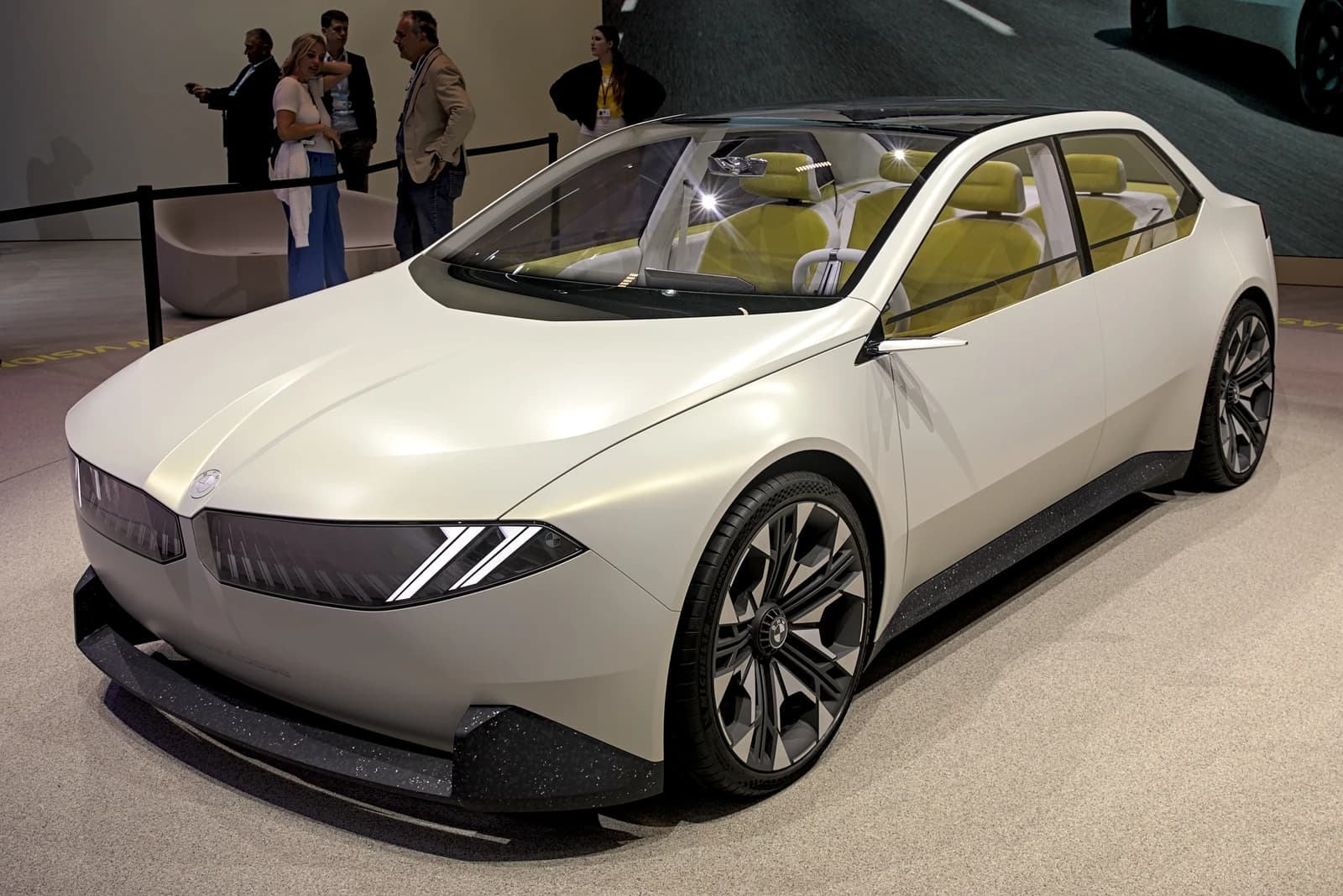
The change underscores how deeply AI is reshaping the auto industry’s cost structure and product cadence. For BMW, the appeal is clear: faster decision-making, lower overhead and a quicker path from concept to road, all of which can help protect margins in a sector facing intense competition, rising technology spending and pressure to launch new models faster.

The story also lands in a bigger debate about what still defines premium German automaking. BMW’s brand has been built on the idea that cars are “designed by Germans” — a shorthand for precision, discipline and process — but that mythology looks less powerful when AI begins taking over tasks once reserved for layers of managers and engineers.
Investor reaction is likely to hinge on whether AI adoption translates into measurable efficiency gains. The stock market has been punishing automakers that cannot offset heavy spending on electrification and software with tighter execution, and BMW’s push is a signal that it wants to compete on speed as much as engineering heritage.

The move also puts pressure on rivals such as Mercedes-Benz and Volkswagen, which face the same need to cut complexity while keeping up with software-heavy competitors and Chinese manufacturers that are moving quickly on product cycles and digital features. In that sense, AI is no longer just a factory tool; it is becoming part of the competitive identity of Europe’s carmakers.
BMW is also being pulled into a wider labor and management debate in Germany, where the company’s leadership has questioned entrenched working patterns, including the country’s 35-hour workweek. That makes the AI push not just a technology story but a test of how far legacy industrial groups can redesign operations without undermining the craftsmanship their brands sell.
For investors, the next checkpoint is whether BMW can show that AI adoption boosts development speed and reduces costs without denting quality. If it can, the market may view the strategy as a margin story as much as a modernization effort.
| Entity | Gains | Losses |
|---|---|---|
| BMW | ▲Faster development, lower overhead | ▼Legacy process-centric image |
| AI vendors | ▲More enterprise demand | ▼Traditional management layers |
| Mercedes-Benz, Volkswagen | ▲Pressure to follow suit | ▼Advantage in old engineering model |
| Labor groups | ▲— | ▼Risk to status quo and work-hour norms |