Volkswagen’s hidden W10 project is back in view because the one-off engine illustrates how a seemingly eccentric internal experiment helped lay groundwork for some of the group’s most important prestige powertrains, even as the parent stock trades near multi-month lows.
Volkswagen W10 Project, Stock Near Multi-Month Lows
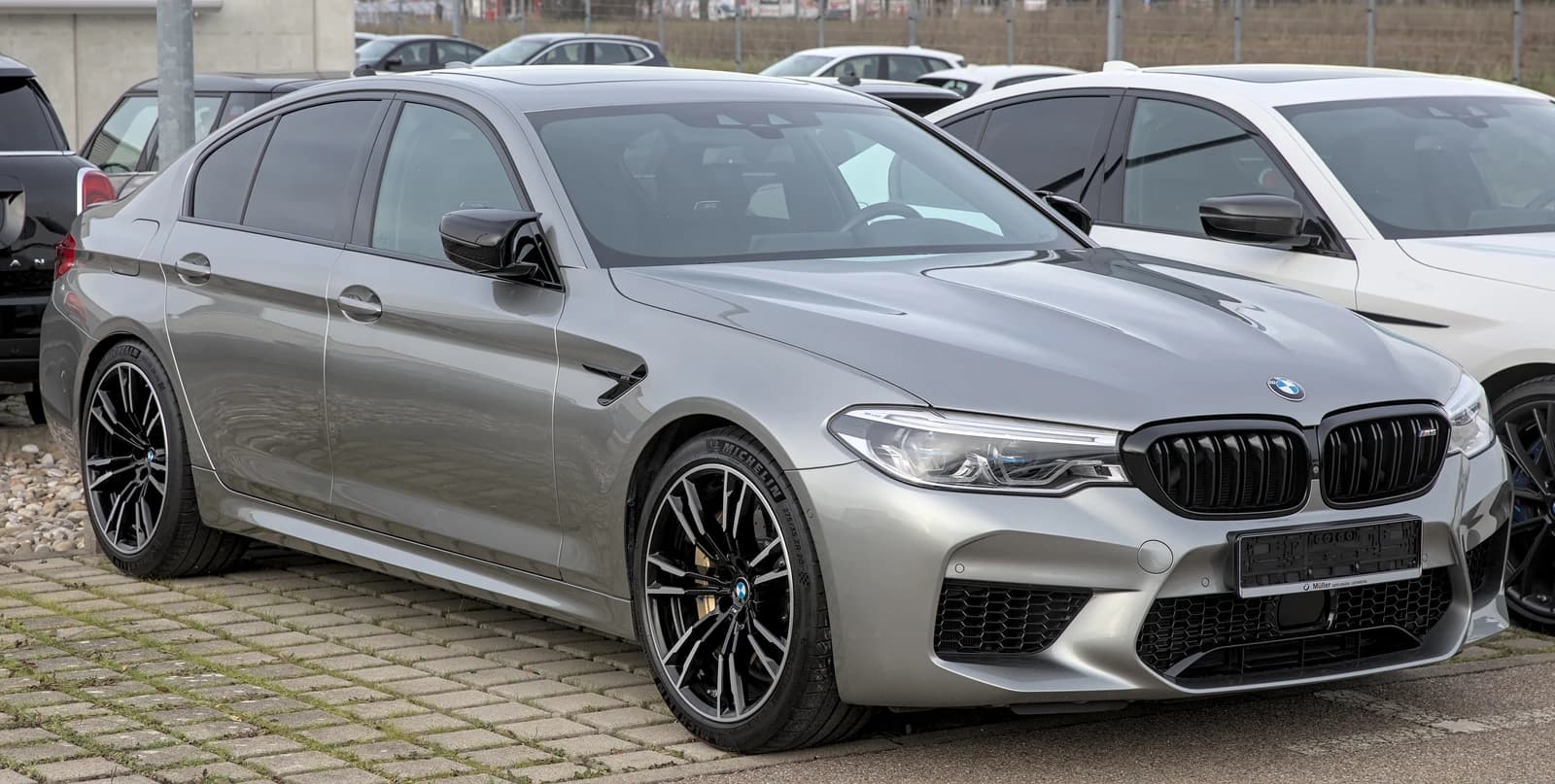
The story matters economically because it shows how high-cost engineering bets inside large automakers can create technology spillovers that later support margin-rich products. Volkswagen reportedly spent about 2 million euros developing the 5.0-liter naturally aspirated W10, a figure that is small relative to a global carmaker’s budget but significant for a secret prototype that never reached production. The project, according to the source material, fed directly into the W12 engines used in luxury models and the W16 architecture that powered Bugatti, two badges long associated with halo pricing and brand cachet.
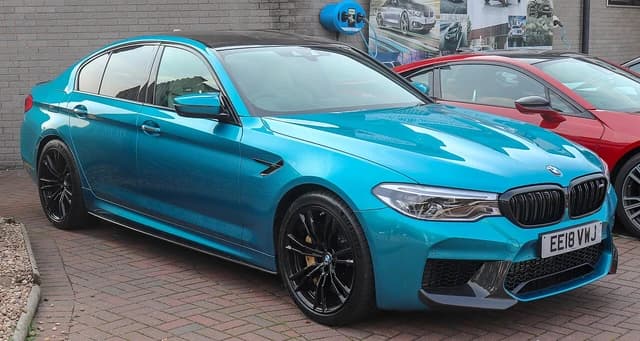
At the center of the story is Ferdinand Piëch, the former Volkswagen chief whose appetite for engineering one-upmanship shaped much of the group’s modern identity. He reportedly used a BMW M5 E39 as his daily car and directed engineers to install the experimental W10. That link to BMW is what gives the tale its commercial edge: it is not just a curiosity about a secret motor, but evidence of the arms race among premium German manufacturers in which benchmark cars from rivals became rolling laboratories.
Technically, the W10 was assembled by combining two 2.5-liter five-cylinder units at a narrow angle, echoing Volkswagen’s compact VR-engine philosophy. Output was quoted at 480 horsepower and 593 newton-meters of torque, paired with a six-speed manual transmission because Piëch wanted it that way. The car was stripped of its standard instrumentation and fitted with a Stack digital racing cluster, while traction control and ABS were removed in favor of a standalone engine management unit. Those changes underscore that this was not a road-car development exercise, but a testbed built to prove a concept before it could be industrialized.
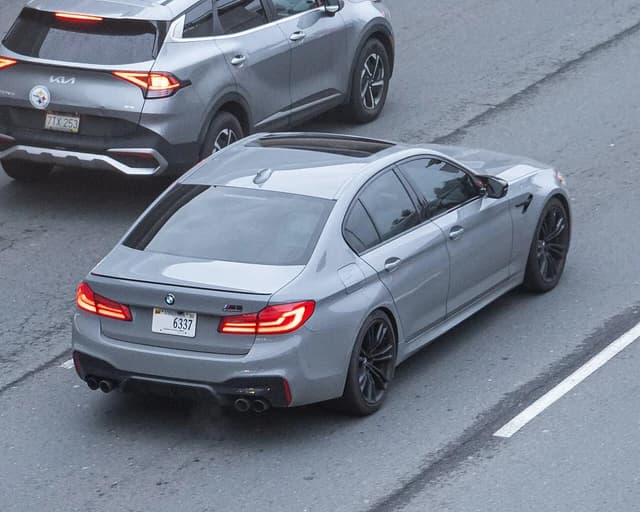
For investors, the significance lies in the tension between engineering prestige and capital discipline. Volkswagen has spent decades trying to turn technical ambition into pricing power across Audi, Bentley, Porsche and Bugatti, but the market has also punished group complexity, weak profitability and execution risk. The stock’s recent move around the 7.7-euro area leaves it below its 200-day moving average of about 9.74 euros, with the RSI near 12 on the latest reading, a sign of deeply oversold conditions rather than durable fundamental momentum. That gap between engineering mythology and market valuation captures the larger issue: investors want evidence that high-end projects translate into earnings, not just headlines.
The bull case is that the W10 story reinforces Volkswagen’s ability to generate proprietary technology and prestige assets that support premium pricing over time. The bear case is that it highlights a culture of expensive internal experiments that were hard to monetize and that may not fit a group still under pressure to simplify, cut costs and defend margins amid heavy electrification spending.
The auction of the only known W10-equipped BMW M5 will draw collectors, but the broader market takeaway is less about the car itself than the corporate behavior it reveals. Volkswagen’s halo-engine history helped build some of the most famous performance cars of the modern era; the question for shareholders is whether today’s capital allocation discipline can preserve that advantage without repeating the excesses that once made such projects possible.
| Entity | Gains | Losses |
|---|---|---|
| Volkswagen engineering team | ▲Reputation for innovation | ▼Capital efficiency |
| Volkswagen premium brands | ▲Technology halo | ▼Development cost scrutiny |
| Collectors and auction houses | ▲Rare asset value | ▼— |
| Volkswagen shareholders | ▲Potential brand value | ▼Profitability pressure |