Volkswagen’s review of a possible sale of Ducati has set off a political and industrial effort in Italy to bring the motorcycle maker back under domestic ownership, with analysts valuing the brand at about 1.25 billion euros.
Volkswagen Reviews Possible Ducati Sale
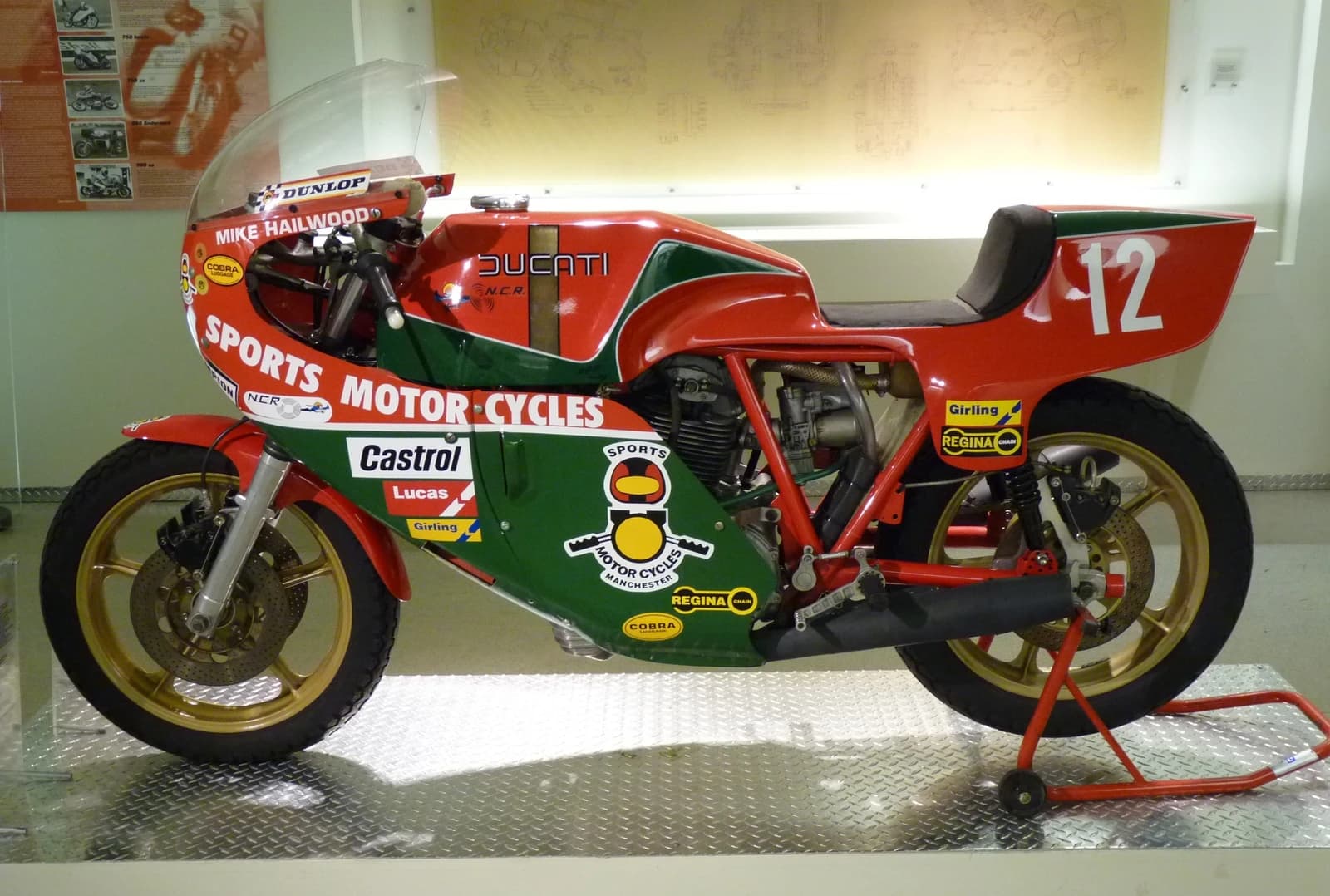
The prospect matters because Ducati is not a distressed asset so much as a premium one: the Borgo Panigale manufacturer delivered 50,895 motorcycles in 2025, generated 925 million euros in revenue and posted 52 million euros in operating profit. That makes it one of the more attractive pieces in Volkswagen’s portfolio, but also one of the hardest to price because much of its worth lies in branding, racing pedigree and a dealer network spanning more than 90 countries.
Sentiment IndicatorsⓘProprietary · adalytica.com · October 5, 2026
This is a snapshot — live sentiment, awareness and momentum for 130+ markets update continuously in the dashboard.Open AlphaPulse
For Volkswagen, a sale would be part of a broader effort to raise cash as the group wrestles with financial and commercial pressure. Ducati is not central to the German carmaker’s core volume strategy, but it is a high-end, globally recognized asset that could fetch a meaningful sum without disrupting the mainstream auto business. The downside is that relinquishing it would shrink Volkswagen’s exposure to one of the few consumer brands in its stable with strong emotional pricing power and loyal demand.
For Italy, the sale has become a question of industrial identity as much as economics. The government wants Ducati “back into Italian hands,” while Confindustria is seeking a domestic fund willing to step in. That reflects a broader policy instinct in Italy to defend iconic manufacturing assets, particularly in sectors — like the Motor Valley around Bologna — where brand heritage, engineering and local supply chains reinforce one another.
The investment case cuts both ways. A domestic buyer would gain a cash-generating premium brand with room to expand further in accessories, racing and international retail. But it would also inherit a business whose value depends heavily on continued global demand for high-margin motorcycles and on maintaining the aura that makes a Ducati more than a machine. Any buyer that overpays for the emotional premium could struggle to justify the return.
The timing also underscores how high-end motorcycle assets are being repriced in a tougher industrial climate. Ducati’s centenary year and recent success on the track strengthen the case for holding out for a rich valuation, yet the company’s size means it can be absorbed by a strategic or financial sponsor if the politics align. For investors, the key question is whether Volkswagen chooses to monetize the brand now or keeps it as a non-core but valuable buffer in a period of restructuring.
| Entity | Gains | Losses |
|---|---|---|
| Volkswagen | ▲Cash raised | ▼Exposure to Ducati upside |
| Italian buyers | ▲Strategic trophy asset | ▼Risk of overpaying |
| Ducati brand | ▲Local ownership boost | ▼Uncertainty over control |
| Existing investors in premium moto assets | ▲Sector valuation support | ▼Fewer bargain opportunities |