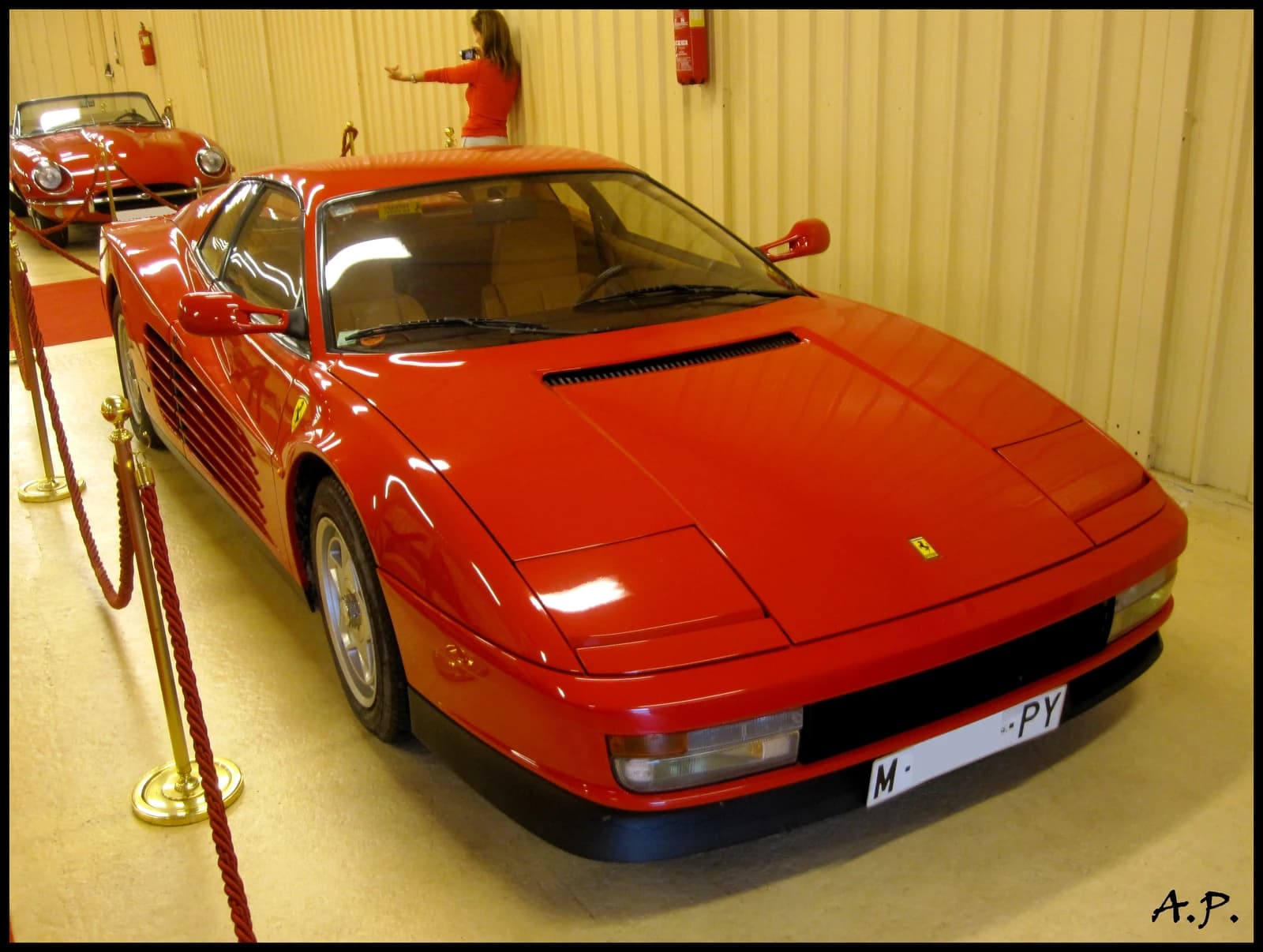
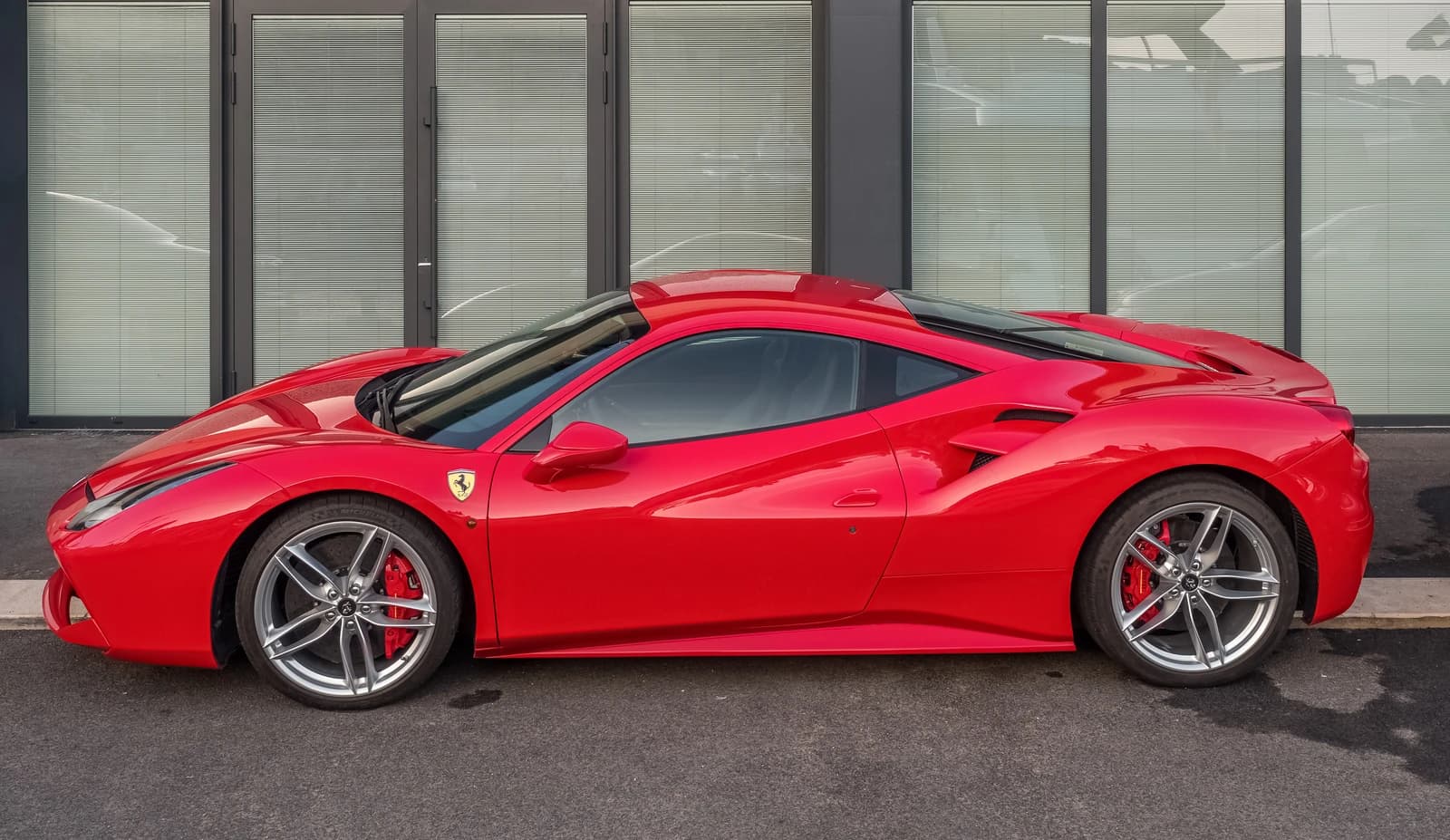
Italian financial police have seized a Ferrari F8 Coupé, a Rolex Oyster and more than 346,000 euros in cash from a restaurateur and his brother after uncovering what prosecutors allege was a scheme to evade taxes and move business money into luxury assets.
Italy Seizes Ferrari, Rolex, and Cash in Tax Probe
The case matters beyond one local restaurant because it shows how authorities are tightening enforcement against tax delinquency and suspected asset concealment at a time when governments are under pressure to recover revenue. The seizure, ordered by a judge in Verbania at the request of prosecutors, targets not just unpaid bills but the alleged use of personal wealth markers — luxury cars, watches and cash — to frustrate tax collection.
Sentiment IndicatorsⓘProprietary · adalytica.com · October 3, 2026
This is a snapshot — live sentiment, awareness and momentum for 130+ markets update continuously in the dashboard.Open AlphaPulse
According to the Carabinieri-style financial police unit in Verbano-Cusio-Ossola, the individual owner of a hospitality business had accumulated more than 780,000 euros in unpaid tax assessments. Investigators said that while the debt mounted, the family appeared to maintain a high standard of living, including luxury cars formally registered to the brother, who reported only modest employment income.
Authorities said bank-account reviews covering 2021 to 2025 showed more than 220,000 euros drained from company accounts through cash withdrawals and transfers lacking any business justification. They also said more than 100,000 euros was deposited in cash into the brother’s account and then used to pay financing instalments on luxury vehicles.
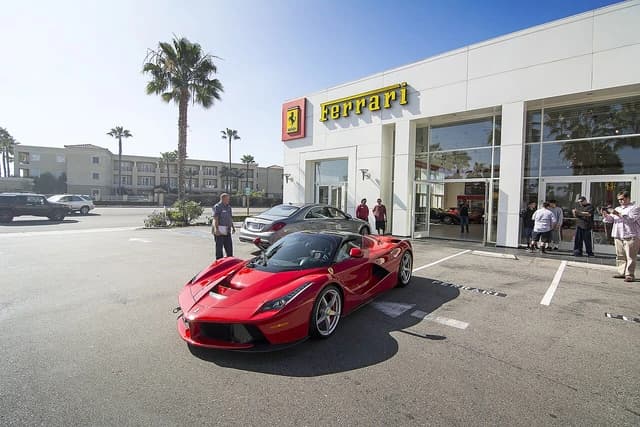
The alleged vehicle rotation is central to the case. Investigators say a Ferrari 458 and a BMW M2, believed to have been bought with money diverted from tax obligations, were later sold to make way for a Ferrari F8 Coupé valued at more than 280,000 euros, which was in the practical control of both brothers. Prosecutors have accused the pair of fraudulent removal of assets from tax collection and self-laundering, offences that can support seizure for equivalent value.
For investors, the immediate relevance is not about Ferrari’s fundamentals — the stock’s underlying valuation is driven by ultra-luxury demand, margins and order books — but about the broader regulatory climate around luxury consumption and asset tracing. The seizure underscores how brands such as Ferrari and Rolex can become visible symbols in enforcement actions, even when the companies themselves are not implicated.
Ferrari shares have recently traded well above their 50-day moving average, but technical momentum has cooled from earlier highs, with RSI readings easing from overbought levels. That matters only insofar as luxury names remain sensitive to sentiment around affluent spending and reputational overhangs, especially in Europe where fiscal enforcement is intensifying.
The broader backdrop is a tougher tax posture in Italy and elsewhere, as authorities seek to clamp down on delinquent businesses and individuals who appear to fund visible wealth while leaving public claims unpaid. If that trend persists, more luxury assets could be scrutinised as investigators follow cash flows rather than balance-sheet disclosures, creating a deterrent effect for debtors and a cleaner recovery path for the state.
| Entity | Gains | Losses |
|---|---|---|
| Italian tax authorities | ▲Higher recovery odds | ▼More enforcement burden |
| Restaurateur and brother | ▲None | ▼Seizures, criminal exposure |
| Ferrari and Rolex brands | ▲Visibility in luxury segment | ▼Reputational association |
| Honest taxpayers | ▲Fairer enforcement | ▼None |