Foreign households in Italy are now spending more on groceries than Italians for the first time, a shift that could reshape the country’s supermarket battleground and reward the discounters, private-label sellers and global consumer brands best positioned to capture a growing, more price-conscious customer base.
Italy foreign households spend more on groceries
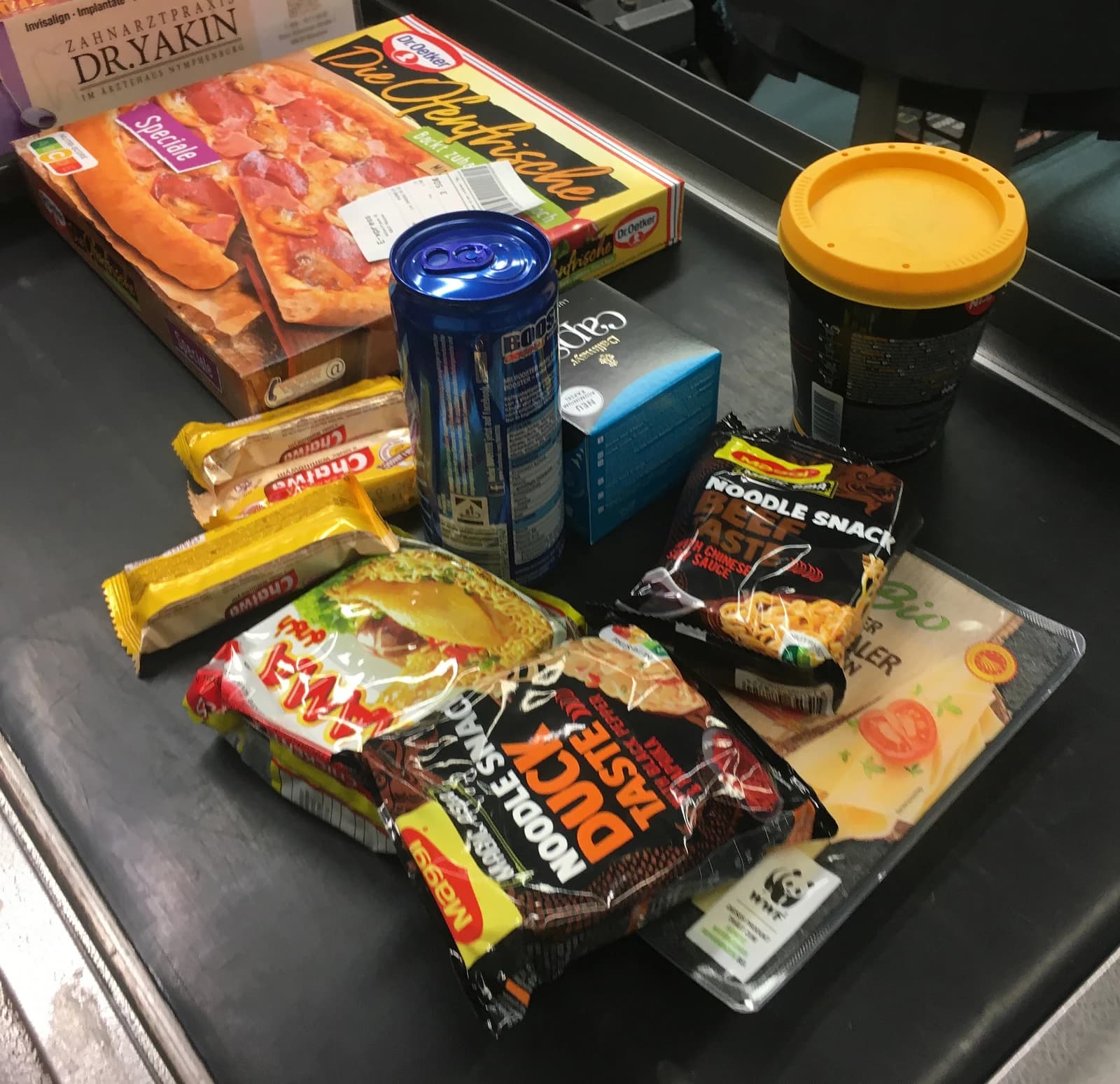
YouGov’s new study shows households with at least one foreign member spend about 4,600 euros a year on fast-moving consumer goods, roughly 2% more than Italian households, even though they make fewer shopping trips. Their baskets are bigger, their average ticket is higher at 23.05 euros, and their behavior is skewed toward planning, value and convenience — exactly the mix that has been driving share gains for discount chains and store brands across Europe.
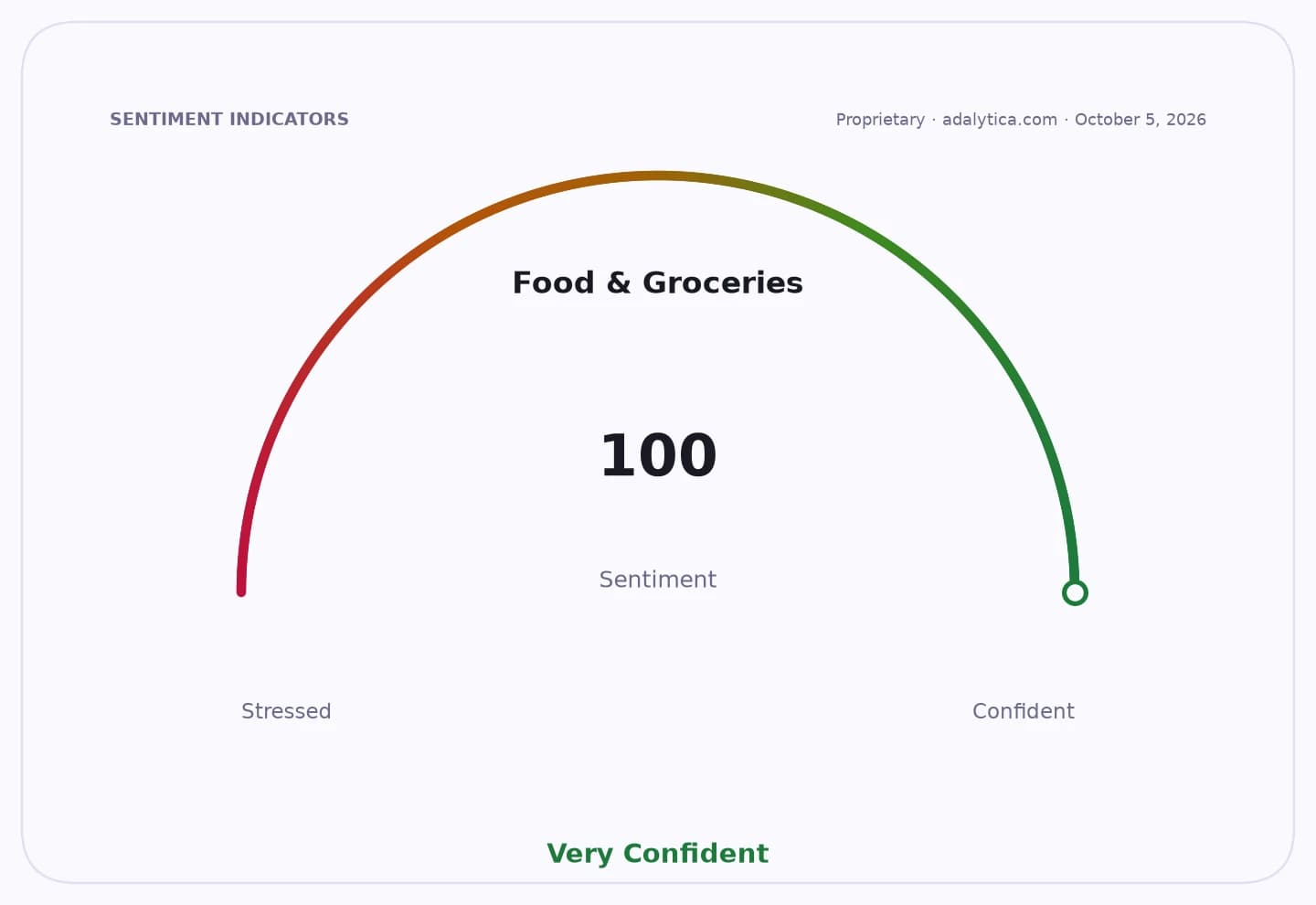
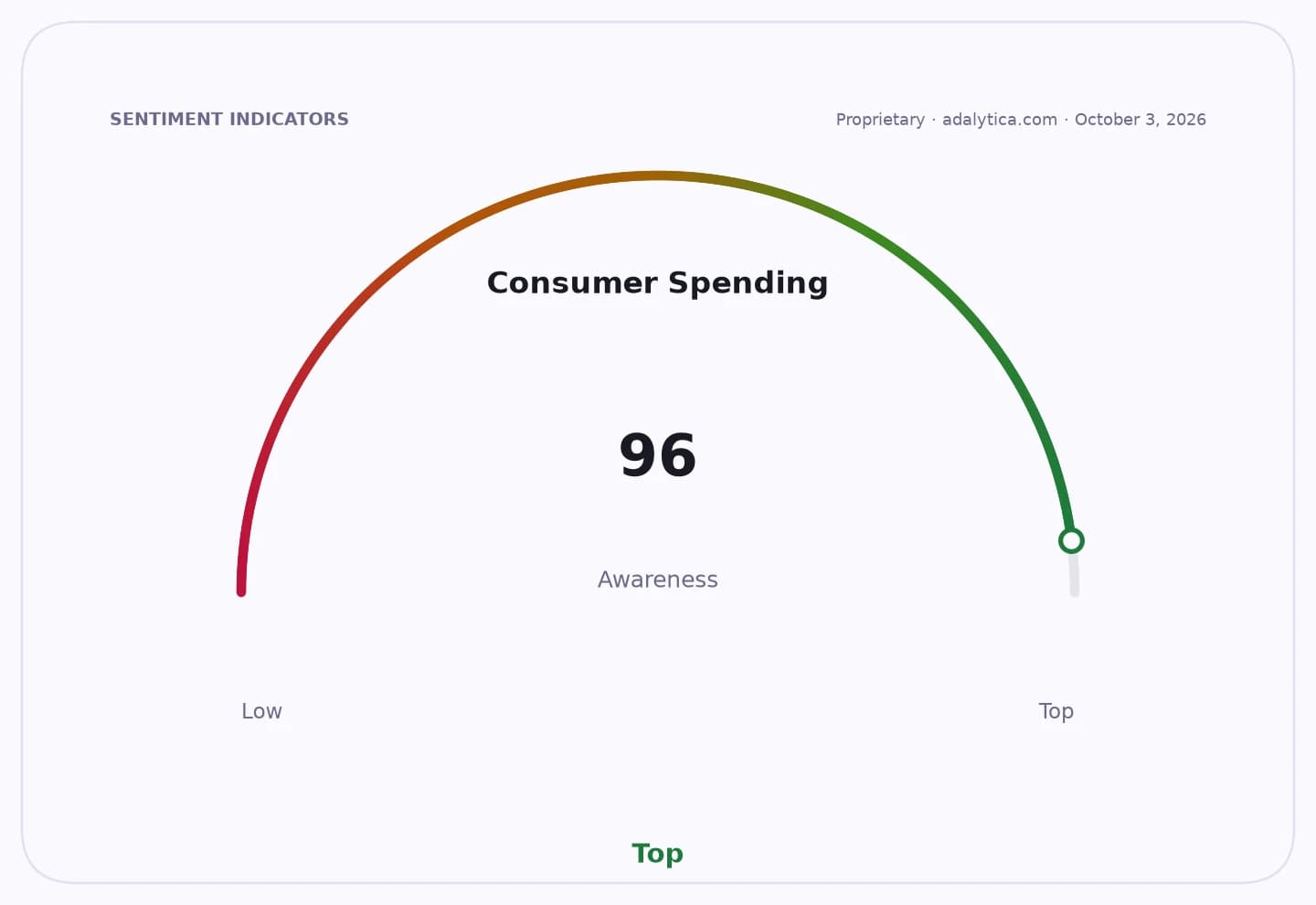
Sentiment IndicatorsⓘProprietary · adalytica.com · October 5, 2026
This is a snapshot — live sentiment, awareness and momentum for 130+ markets update continuously in the dashboard.Open AlphaPulse
That matters because Italy’s grocery market is not just a volume story, but a margin story. The foreign shopper segment is young, larger and more family-heavy than the national average, with a strong concentration in the north and center of the country. It also over-indexes on discounts, which capture 21.1% of spending in the group, while promotions account for 29.4% of purchases. For retailers, that points to a structurally different consumer: less impulsive, more deal-driven and more likely to reward chains that can combine low prices with efficient private-label assortments.
The opportunity is broader than supermarkets alone. The study suggests foreign households are disproportionately drawn to ethnic foods, fruit, beverages, personal care and pet products, while also showing strong use of loyalty programs, online flyers and personalized offers. That is precisely the sort of data-rich buying pattern that benefits large omnichannel operators and branded goods companies able to target specific communities. In Italy, where domestic demand has been uneven and inflation has pushed shoppers down the value ladder, this segment gives retailers a new engine for traffic and basket expansion.
For investors, the message is clear: the market underestimates how much incremental growth in European food retail now comes from demographic and cultural shifts rather than from traditional same-store sales cycles. Discount-led operators and private-label-heavy chains should keep gaining leverage, while premium grocers and weaker branded players risk ceding share unless they adapt their assortment and pricing. The same is true for consumer staples names with exposure to beverages, pet care and ethnic categories, where preference can be sticky and loyalty hard to win back.
This is also why the political debate over supermarket competition matters. As regulators and parties in Europe push for more savings at the checkout, the chains with the best procurement, format and data infrastructure will be the ones that can turn affordability into market share. Italy’s foreign households are not a niche trend; they are an early signal of how the consumer base is changing beneath the surface.
The investable takeaway is straightforward: look to the discounters, private-label leaders and consumer brands serving multicultural demand. In a sector still obsessed with headline inflation, the real alpha may come from understanding who is filling the basket next.
| Entity | Gains | Losses |
|---|---|---|
| Discounters | ▲Higher traffic, bigger baskets | ▼Premium grocers |
| Private-label chains | ▲More brand substitution | ▼National brands |
| Global beverage, pet, and personal care brands | ▲Category-specific demand | ▼Slow-moving local labels |
| Italian consumers facing price pressure | ▲More competition, lower prices | ▼Margins at weaker retailers |