Lidl is undercutting premium cookware brands with a 21.99-euro cast-iron casserole that is drawing strong customer approval, and that is exactly the kind of value proposition that keeps discount retailers winning when households remain price sensitive.
Lidl sells 21.99-euro cast-iron casserole
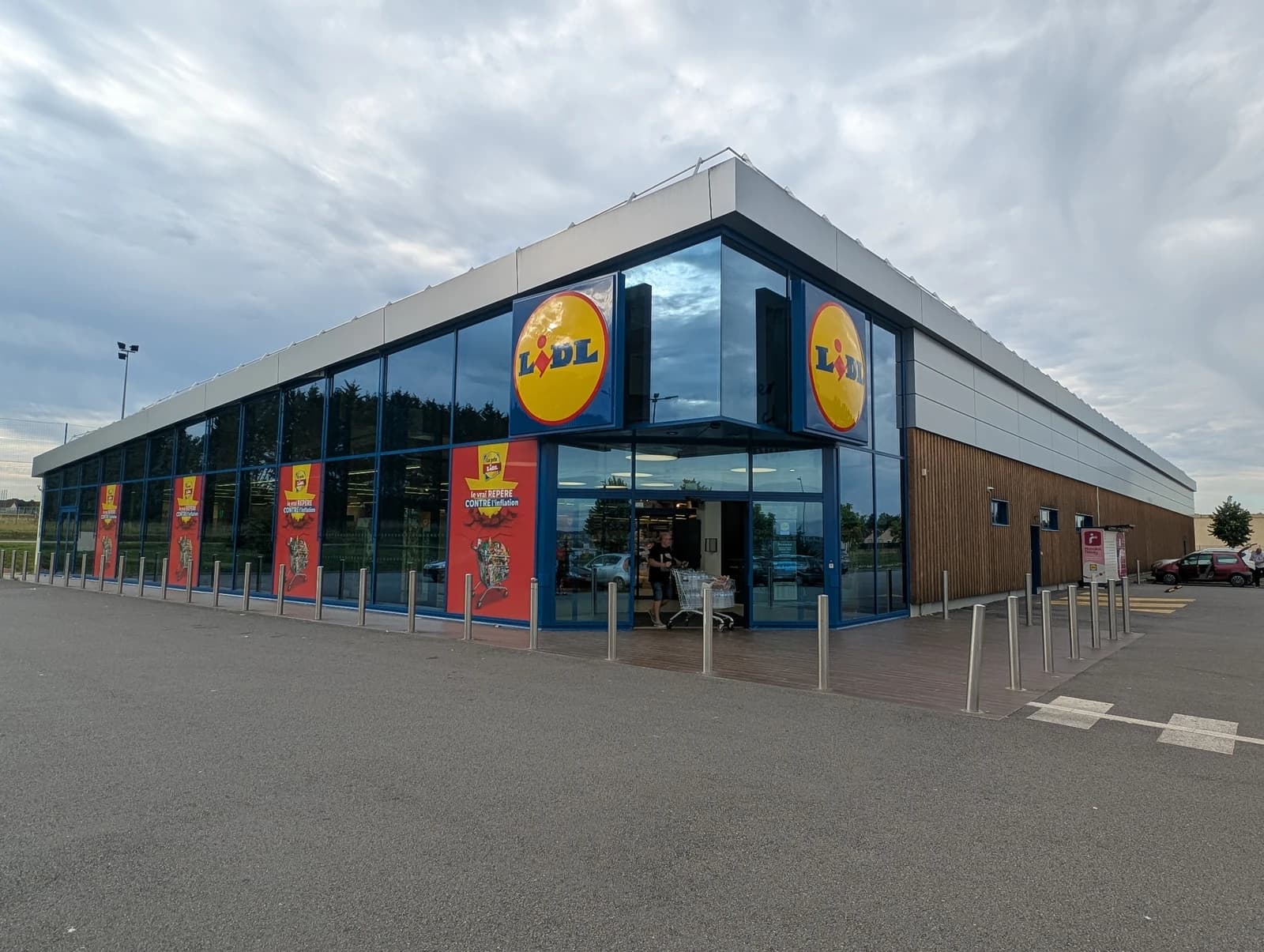
The appeal goes beyond a low sticker price. The enamel-coated pot works on all cooktops, including induction, can go into the oven at temperatures up to about 260C and is designed for slow cooking, braising and roasting. In a category where Dutch ovens from established kitchenware labels often cost many multiples of that, Lidl is using private-label merchandising to capture demand from shoppers who still want durability and performance but are unwilling to pay up for a brand name.
That matters economically because it shows how inflation scars are still shaping consumer behavior in Europe. Even as headline price pressures have eased from their peaks, shoppers have become more selective, trading down in discretionary categories and rewarding retailers that can bundle practicality with a bargain. For household budgets, a product like this stretches spending further. For retailers, it converts traffic into margin-friendly basket growth.
The investment angle is broader than a single casserole dish. Discount chains are steadily taking share from traditional department stores and branded home-goods sellers by offering “good enough” quality at impulse-friendly prices. Lidl’s pitch is especially potent because cookware is one of those purchases where consumers can easily compare prices online and in-store. When a cast-iron vessel with an enamel finish and strong reviews lands at 21.99 euros, the premium segment has to work much harder to justify its markup.
That puts pressure on the bigger names in kitchenware and on general-merchandise retailers trying to defend shelf space with slower-moving inventory. It also reinforces a structural advantage for hard discounters such as Lidl: private-label sourcing, rapid product rotation and the ability to turn household staples into traffic-driving events. In a weak consumer environment, that is not a side story — it is the business model.
For investors, the message is straightforward. The market often treats discount retail as defensive, but the real opportunity is in the operators that can keep stealing share while consumers trade down. Walmart and Target remain the obvious bellwethers for mass retail pricing power, while Costco continues to show how membership value can protect loyalty. But the more important takeaway is that the winners in this cycle are the retailers that can make value feel premium.
If inflation remains sticky enough to keep shoppers cautious, and if Europe’s consumer remains under pressure, Lidl’s playbook should continue to resonate. The best trade here is not the casserole dish itself — it is the persistence of bargain-driven purchasing behavior that supports discount grocers and private-label specialists well beyond the current quarter.
| Entity | Gains | Losses |
|---|---|---|
| Lidl | ▲Traffic and loyalty | ▼Lower-margin premium rival sales |
| Budget-conscious shoppers | ▲Durable cookware at low cost | ▼Brand-premium pricing |
| Premium cookware brands | ▲— | ▼Share to private label |
| Walmart / Target / Costco | ▲Validation of value-led retail | ▼Pressure to defend pricing power |