Morrisons is piloting grocery locker collection at its Skipton supermarket, a small but telling step that shows how UK grocers are trying to make online food shopping cheaper, faster and easier to scale.
Morrisons pilots grocery locker collection in Skipton
The trial matters because click-and-collect has become one of the most practical ways for supermarkets to defend margins in a business where home delivery is expensive and labour-intensive. Locker-based collection can reduce queue times, cut pressure on store staff and extend pickup availability without adding as much operating cost as a traditional staffed collection point. In a market where every penny of fulfillment expense matters, that is a meaningful advantage.
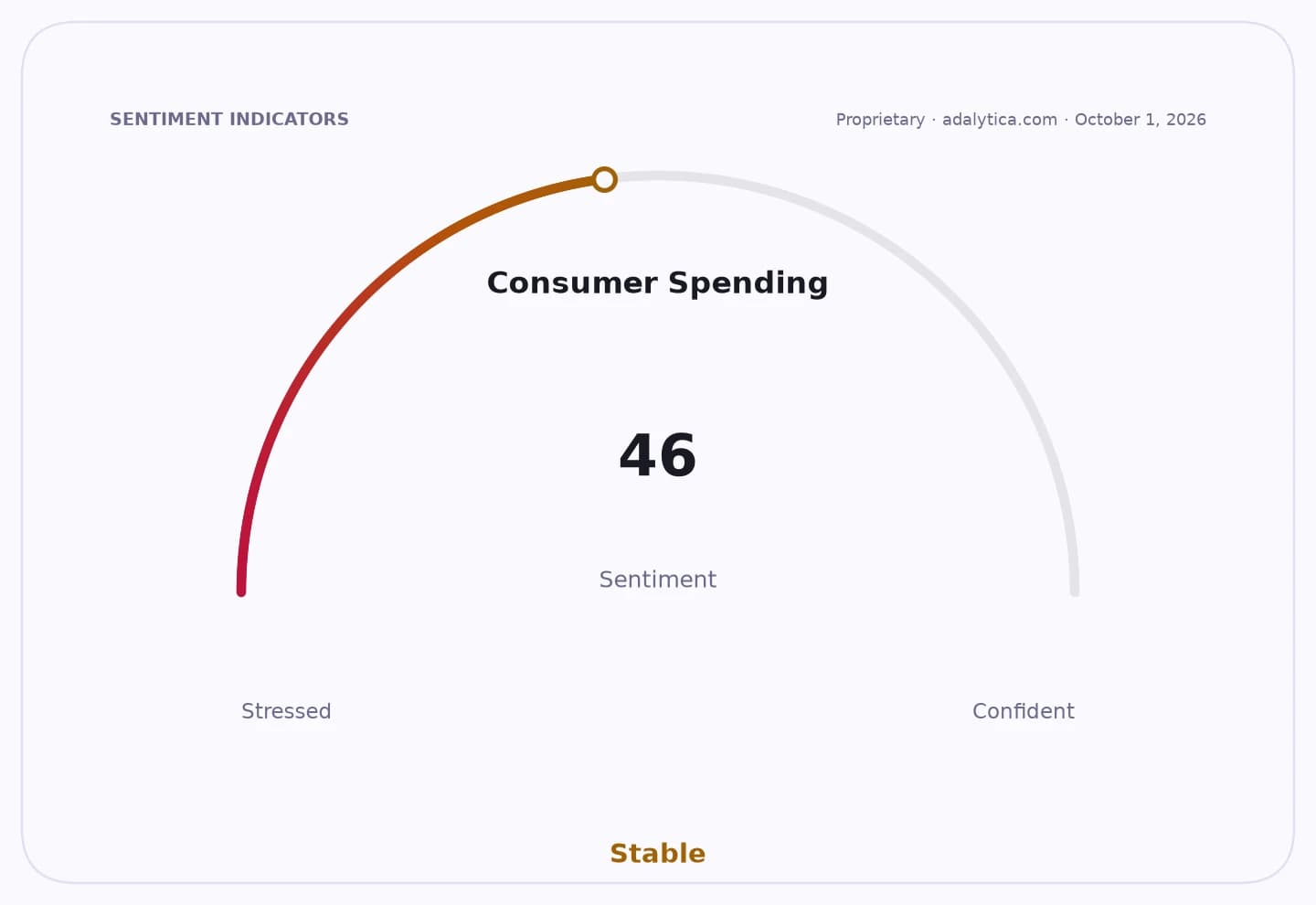
Sentiment IndicatorsⓘProprietary · adalytica.com · October 2, 2026
This is a snapshot — live sentiment, awareness and momentum for 130+ markets update continuously in the dashboard.Open AlphaPulse
The Skipton pilot uses StrongPoint’s multi-temperature locker system, letting Morrisons store chilled, frozen and ambient groceries in one collection setup. It also integrates VoCoVo support for real-time assistance, which suggests Morrisons is trying to keep the process simple for customers while limiting friction for staff. That balance is important: the best retail technology is the kind customers barely notice because it just saves them time.
For investors, the bigger story is not the locker itself, but what it says about the direction of food retail. Supermarkets are under constant pressure from labor costs, price competition and the need to keep digital sales profitable. If locker collection proves reliable, it could become part of a broader push across the sector to improve online economics without sacrificing convenience. That would favor retailers with the scale and discipline to automate more of the last mile.
Morrisons, owned by private equity firm CD&R, has been working to sharpen operations in a tough grocery market. A successful rollout would not transform the business overnight, but it could help strengthen customer loyalty and improve the economics of omnichannel shopping over time. For long-term investors, that matters because grocery winners are often the chains that quietly remove cost from the system while making shopping easier.
There are still risks. Locker collections can work well only if they are secure, dependable and well integrated into store operations. Adoption will depend on whether shoppers value the convenience enough to change habits, and whether the economics really stack up versus staffed collection points. But if the trial succeeds, it could give Morrisons another tool in a sector where incremental efficiency gains can compound into real competitive advantage.
For now, investors should see the Skipton pilot as a modest but constructive sign that UK grocers are still experimenting with ways to make food retail more resilient, more automated and more profitable. That is the kind of quiet operational shift worth watching over the next few years.
| Entity | Gains | Losses |
|---|---|---|
| Morrisons | ▲Lower fulfillment costs | ▼Manual collection friction |
| Customers | ▲Faster pickup | ▼Less traditional service |
| StrongPoint | ▲Pilot visibility | ▼Failure risk |
| Rival grocers | ▲New efficiency benchmark | ▼Pressure to invest |