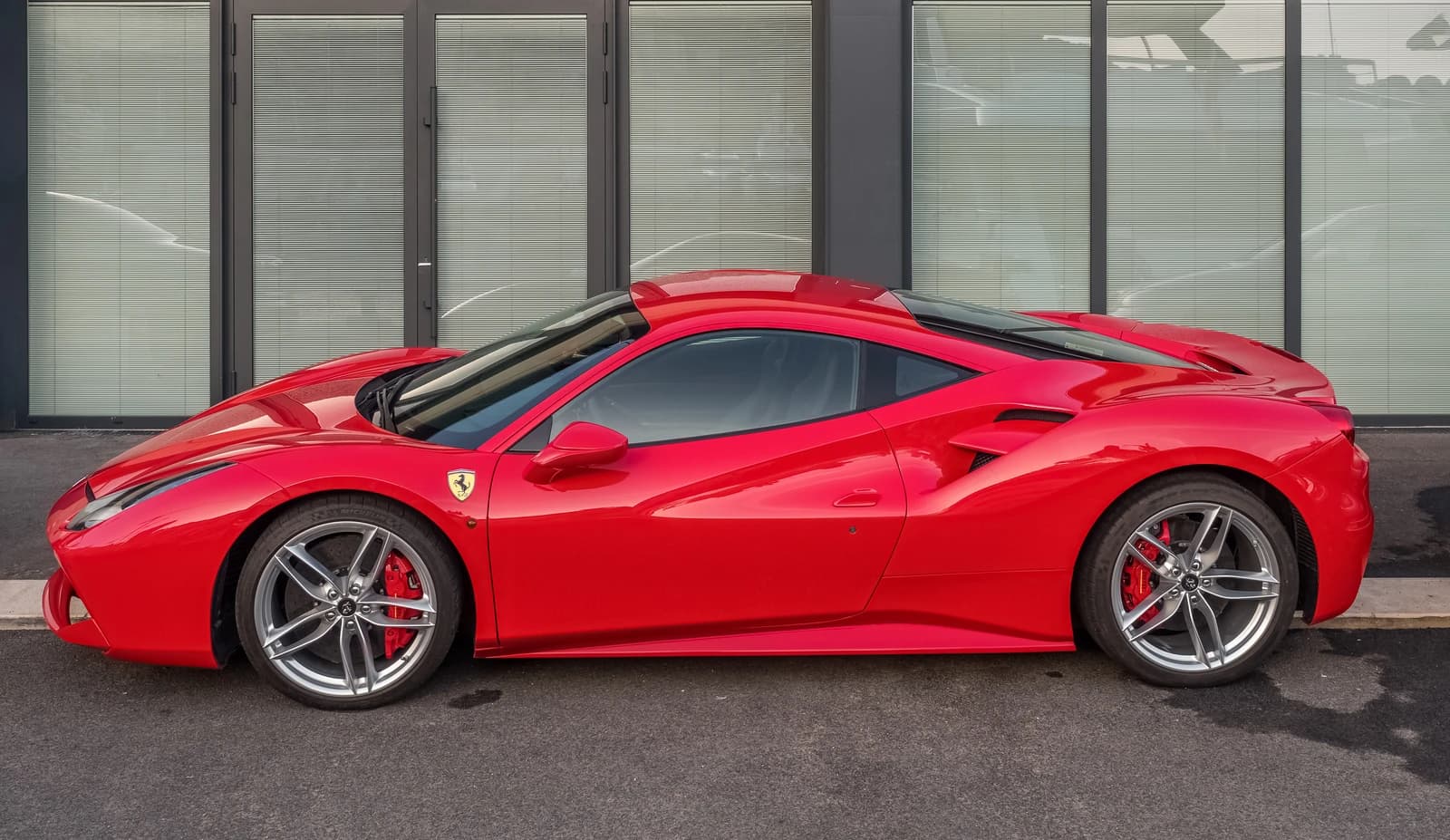
A South African court has cleared the way for the sale of Hangwani Maumela’s Ferrari SF90 Stradale, keeping alive a push by investigators to preserve and potentially recover assets tied to a sprawling corruption probe at Tembisa Hospital.
South Africa Court Allows Ferrari Sale in Tembisa Probe
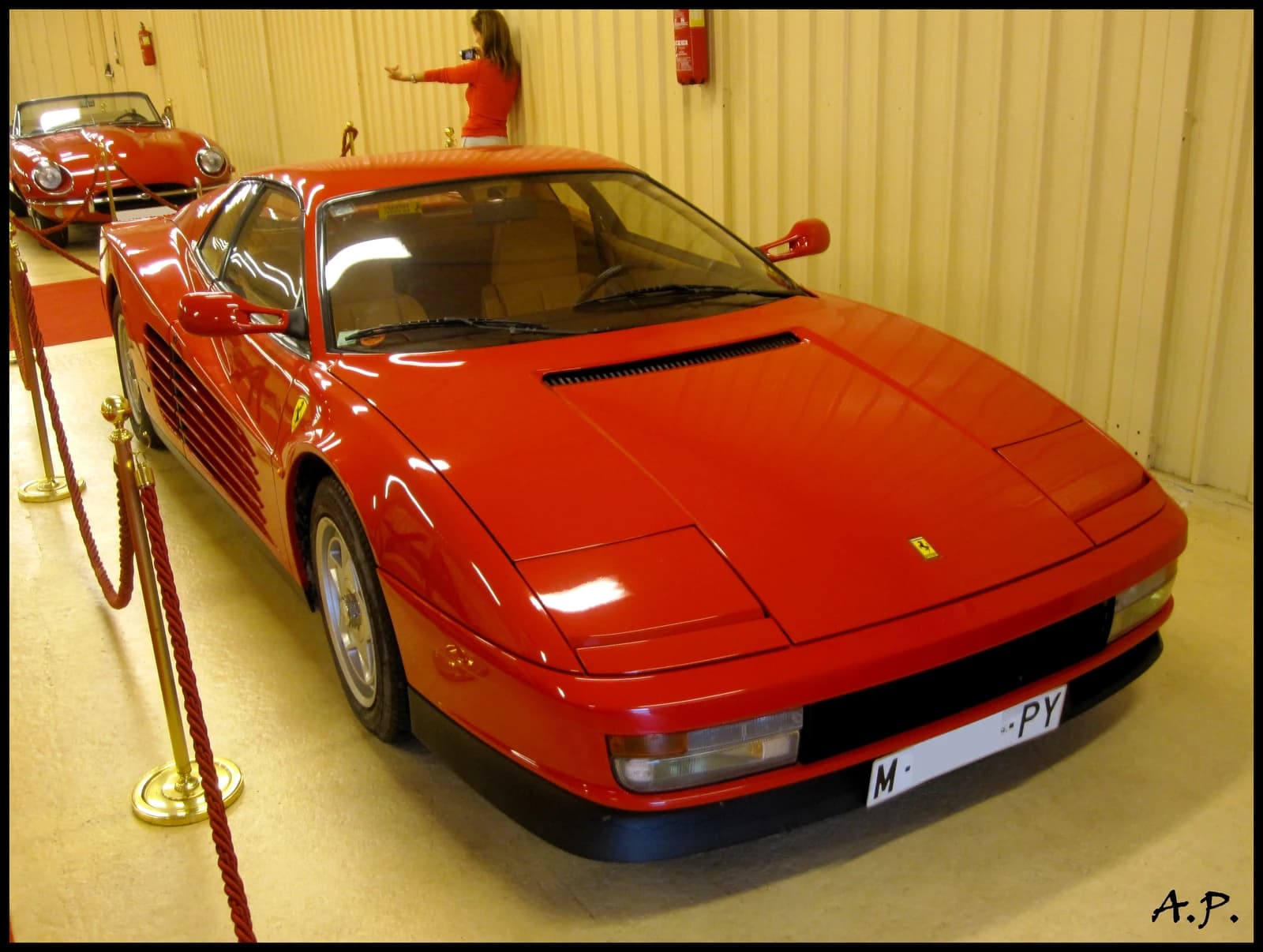
The Gauteng High Court in Pretoria dismissed Maumela’s urgent bid to stop the disposal of the luxury car, which is valued at at least 9.5 million rand, after finding that the order authorising the sale was interim and therefore not automatically suspended by an appeal. The ruling is more than a fight over a supercar: it shows how aggressively South African authorities are trying to lock down assets they believe were acquired through alleged graft, even before the underlying case has run its course.
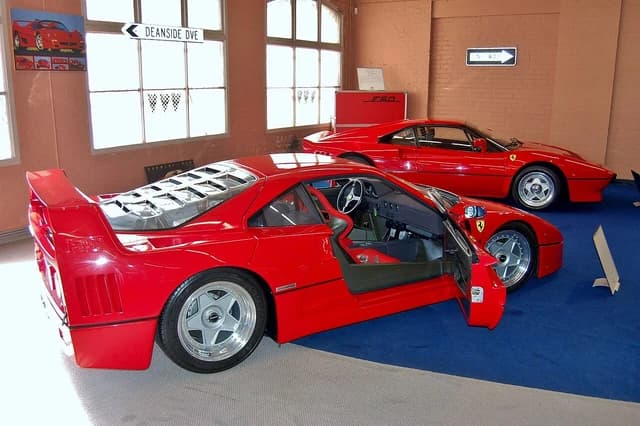
That matters because the Ferrari is just one asset among those preserved by the Special Tribunal as part of the Special Investigating Unit’s inquiry into allegations that about 2 billion rand was looted from Tembisa Hospital. Asset restraint and liquidation are central tools in such cases. If investigators succeed in keeping the proceeds out of defendants’ hands, it improves the odds of eventual recovery for the state, which is exactly what taxpayers want to see when corruption drains public hospitals and other essential services.
For investors, the case is a reminder that rule-of-law enforcement in South Africa remains very much in play, with consequences that extend beyond one high-profile individual. Aggressive asset preservation can support confidence that illicit gains will be harder to hide or spend, which matters for the broader investment climate. It also shows how legal risk can quickly attach to luxury assets and other illiquid holdings when courts side with enforcement agencies.
The court said Maumela and the MHR Maumela Family Trust had not shown a clear right to block the sale, nor reasonable prospects of success on appeal, and had failed to prove irreparable harm. It also ordered the trust to pay costs. In practical terms, that gives investigators momentum while signaling that delay tactics may not be enough to protect suspect assets from being sold.
For long-term investors, the bigger lesson is that governance and accountability still matter. Cases like this are not just about scandal headlines; they shape how capital views a market’s institutions, its ability to protect public money and its willingness to enforce consequences. That is worth watching closely, and it is the kind of institutional backdrop that can compound over years, not days.
| Entity | Gains | Losses |
|---|---|---|
| Special Investigating Unit / Special Tribunal | ▲Stronger asset recovery | ▼Delay in case resolution |
| South African state / taxpayers | ▲Potential restitution | ▼Continued corruption damage |
| Hangwani Maumela / MHR Maumela Family Trust | ▲None from ruling | ▼Ferrari sale proceeds, legal costs |
| Investors in South Africa | ▲Rule-of-law signal | ▼Ongoing governance risk |