India’s top judge has put compassion at the center of the justice debate, arguing that courts cannot be truly fair if ordinary people cannot understand the system meant to protect them.
India Chief Justice Calls for Compassion in Courts
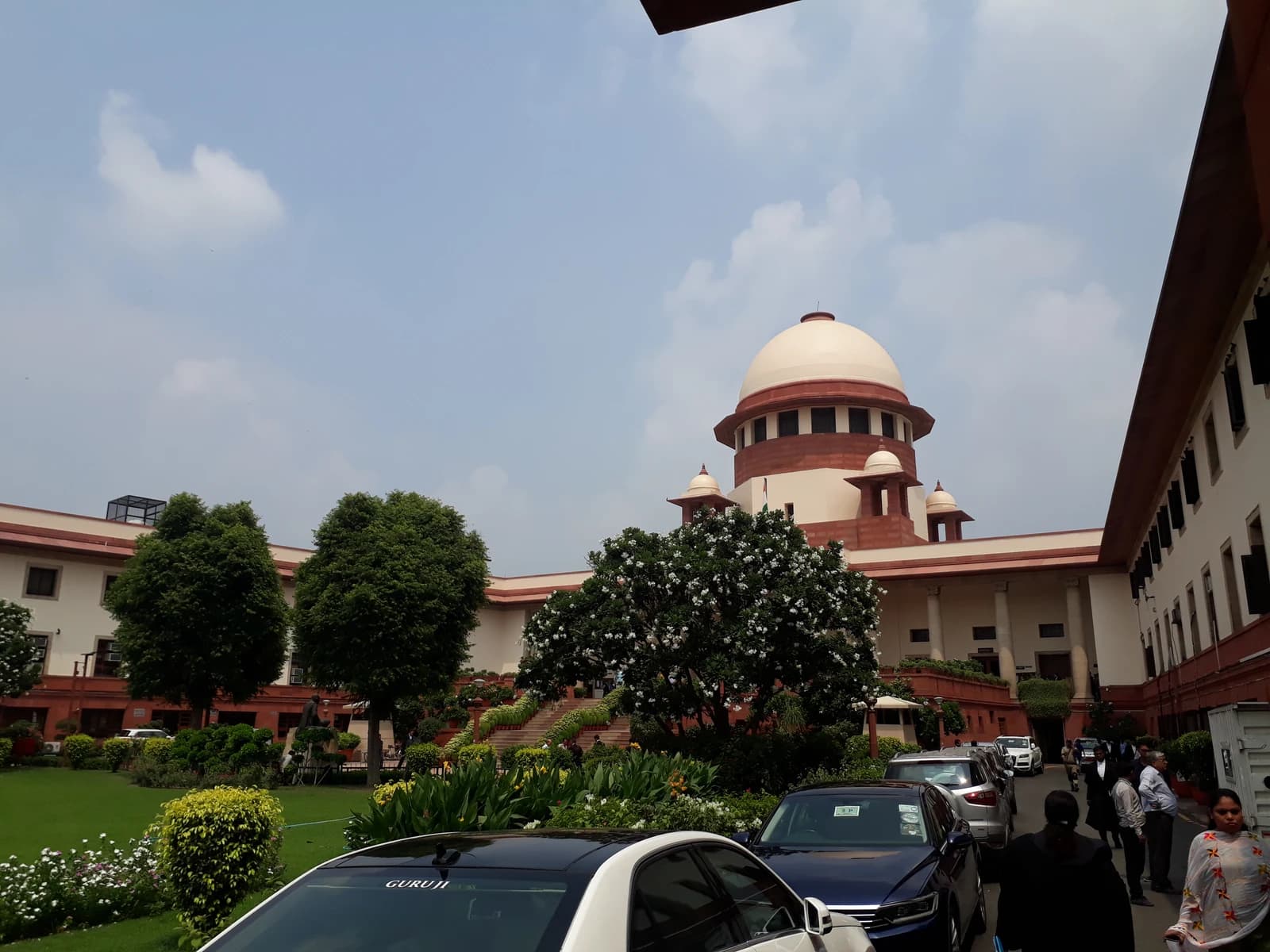
Chief Justice of India Surya Kant said compassion in judging is not sympathy or charity, but a disciplined effort to understand the full human reality behind a case. That distinction matters because India’s legal system still struggles with distance — between the courtroom and the police station, between judgments and the people they affect, and between formal legality and real access to justice.

For investors and policymakers, this is more than courtroom philosophy. A justice system that is simpler, more accessible and more humane tends to reduce friction across the economy. Legal delays raise compliance costs, trap capital in disputes, discourage entrepreneurship and make lending riskier. When the chief justice calls for legal aid at police stations, the ability for child or victim testimony without direct confrontation, and judgments written in plain language, he is pointing to a system that could become less intimidating and more usable for millions.
That has long-term economic significance. Better access to justice supports contract enforcement, improves confidence in institutions and lowers the hidden tax of uncertainty that hangs over businesses, households and foreign investors alike. If people can understand proceedings and navigate them earlier, cases may move more efficiently, victims may be more willing to come forward and the state may spend less on repeated procedural failure.
His remarks also underline a broader truth about reform: technology can speed up court processes, but it cannot by itself make them fair. That is important at a time when governments and courts worldwide are leaning on digital tools to address backlogs. Speed helps, but legitimacy comes from trust, clarity and human judgment. In that sense, the chief justice is arguing that legal modernization must be measured not just by how fast files move, but by whether the weakest participants in the system are actually protected.
The narrative here is not about a single speech so much as an evolving model of justice — one that treats compassion as an operating principle rather than an emotional extra. If India can build institutions that are faster and easier to understand without becoming colder, the payoff could be meaningful over time: stronger civic trust, better dispute resolution and a more investable legal environment.
For long-term investors, that makes judicial reform worth watching. Efficient institutions rarely grab headlines, but they quietly shape everything from financial services to real estate to industrial capex. When justice becomes clearer and more accessible, capital tends to feel safer staying put.
| Entity | Gains | Losses |
|---|---|---|
| Litigants and victims | ▲Easier access to justice | ▼Legal intimidation |
| Courts and judiciary | ▲Greater public trust | ▼Formalistic process |
| Businesses and investors | ▲Lower dispute friction | ▼Uncertainty and delay |
| Status quo legal culture | ▲— | ▼Pressure for reform |