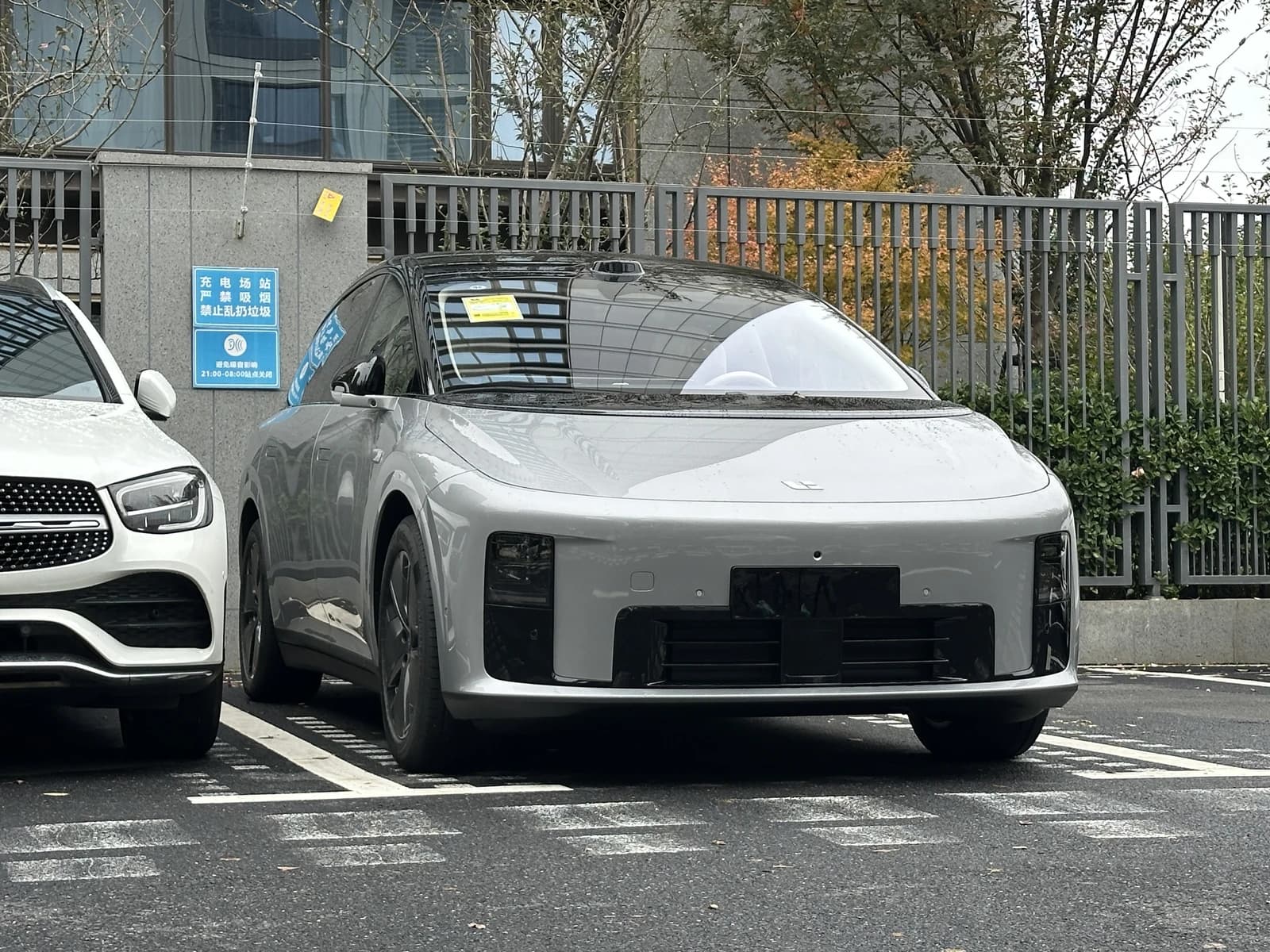
BMW has started producing its sixth-generation batteries in Shenyang, China, a key step in the automaker’s bid to stretch electric-vehicle range, cut charging time and deepen its local manufacturing footprint in the world’s biggest EV market.
BMW starts sixth-generation batteries in Shenyang
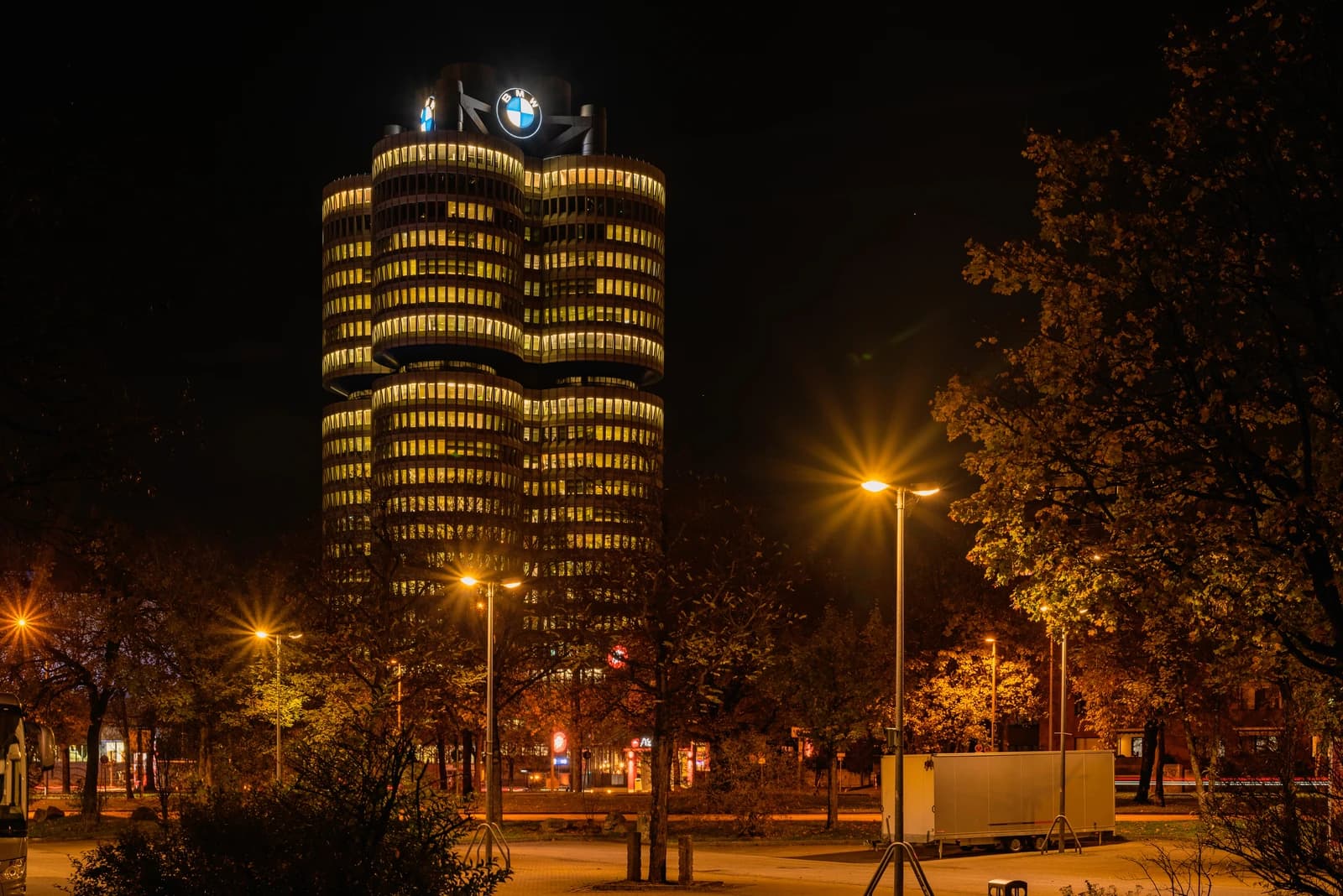
The new battery line, backed by about 10 billion yuan, or $1.5 billion, will feed BMW’s Neue Klasse EVs, starting with the iX3 and i3. BMW says the i3 50L prototype covered 1,213 kilometers in testing and can add as much as 400 kilometers of range in 10 minutes on a 400-kW charger, figures that put pressure on rivals competing on range and charging speed.
Sentiment IndicatorsⓘProprietary · adalytica.com · October 18, 2026
This is a snapshot — live sentiment, awareness and momentum for 130+ markets update continuously in the dashboard.Open AlphaPulse
The investment matters beyond a single model. Long-range batteries are becoming a selling point as EV buyers remain sensitive to charging convenience and total driving distance, especially in China, where the market is crowded and competition is increasingly tied to software, battery chemistry and local production. BMW’s goal of making more than 95% of the models it sells in China locally by 2030 underscores how much the company now depends on the market for future growth.
The Shenyang plant spans 240,000 square meters, roughly five times the size of BMW’s previous battery facility, and is part of a broader industrial strategy to tighten its supply chain and reduce exposure to trade friction. The company is also using the site to support 800-volt architecture and dual-motor all-wheel-drive variants, features aimed at keeping its premium EVs competitive against domestic Chinese brands and global rivals.
For investors, the development is a reminder that BMW’s EV race is now a manufacturing race as much as a product one. Stronger battery technology could help defend margins and support pricing power if the Neue Klasse line gains traction, but it also raises the stakes for execution as battery costs, local competition and China demand trends remain in focus.
BMW said the iX3 for the China market is set to start deliveries in November 2026 after orders open in August, while the i3 is scheduled to enter production and launch in the fourth quarter of 2026 through BMW Brilliance. The next catalyst is whether the company can turn its range claims into sales momentum in China without sacrificing profitability.
| Entity | Gains | Losses |
|---|---|---|
| BMW | ▲Longer-range EV appeal | ▼Higher execution risk |
| Chinese EV buyers | ▲More range, faster charging | ▼Fewer price-only choices |
| BMW rivals | ▲— | ▼Pressure on battery and range specs |
| Battery suppliers in China | ▲More industrial demand | ▼Potential margin squeeze from scale competition |