China has opened a joint probe into alleged brake-pedal bracket failure on the Maextro V800, putting safety validation at the center of a luxury EV push that relies on premium branding, software prowess and regulator confidence as much as battery range and design.
China Probes Maextro V800 Brake-Pedal Bracket Issue
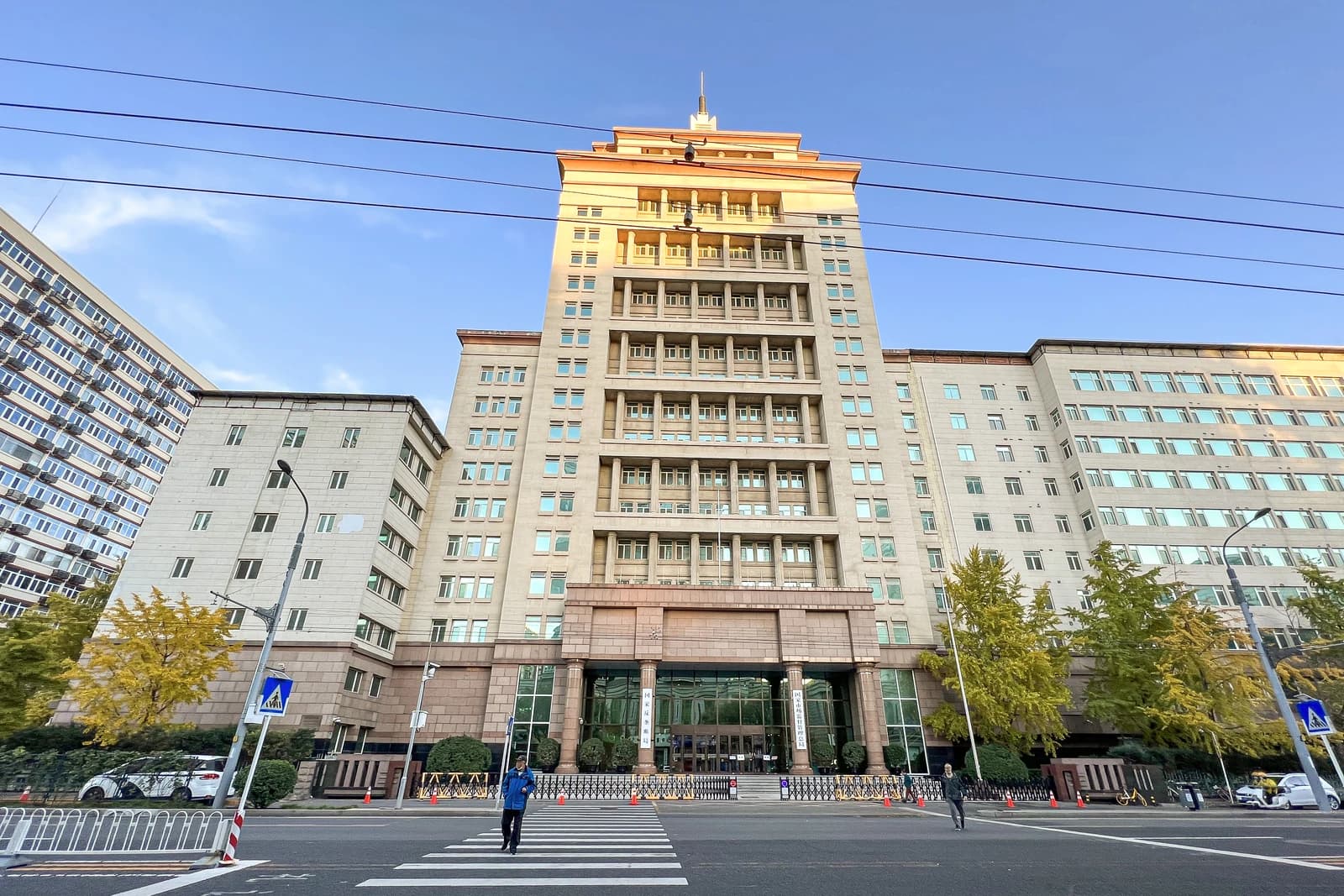
The investigation, announced by the Ministry of Industry and Information Technology, comes from a joint team that includes the cyberspace regulator and the market watchdog. That makes the issue more than a one-off defect report: it places a high-profile JAC Motors and Huawei project under direct scrutiny from the agencies that shape product approval, consumer trust and public messaging in China’s auto market.
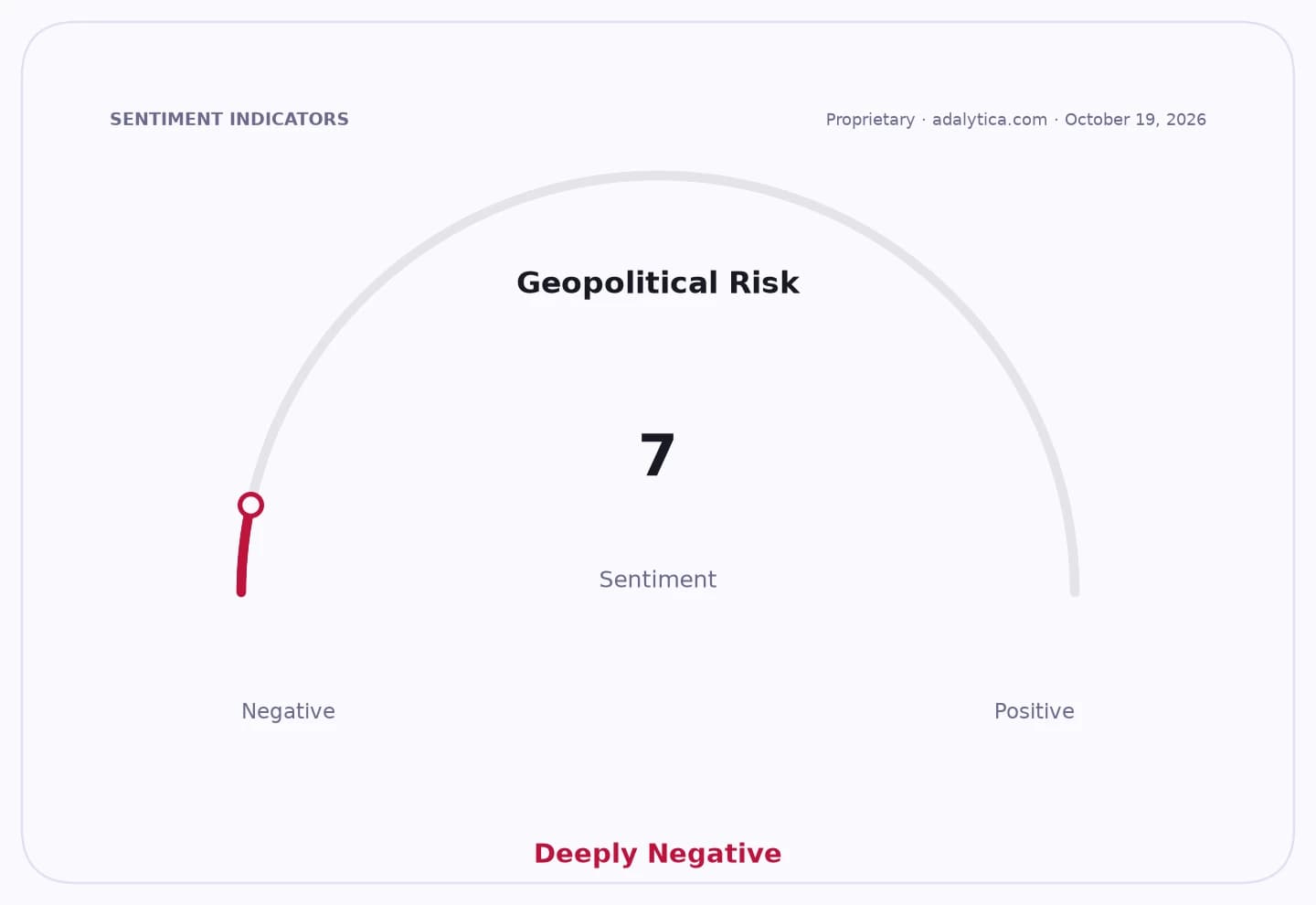
Sentiment IndicatorsⓘProprietary · adalytica.com · October 19, 2026
This is a snapshot — live sentiment, awareness and momentum for 130+ markets update continuously in the dashboard.Open AlphaPulse
For Huawei-backed electric vehicles, safety is a strategic asset. The company’s automotive ambitions depend on proving it can help build not just connected cars but reliable ones, especially in the upper end of the market where buyers pay for technology, brand cachet and perceived quality. A brake-system complaint cuts at the core of that pitch because it raises questions about engineering discipline in a segment where defects can quickly become reputational and regulatory risks.
The probe also lands in an EV market already defined by intense price competition and rising demands on quality control. As Chinese automakers and tech groups crowd into premium new-energy vehicles, regulators have become more sensitive to claims that can affect consumer safety and social confidence. Any finding that testing exposed a structural failure could force design changes, delay launch plans or increase compliance costs for the involved companies and their suppliers.
Investor reaction has been guarded rather than panicked, but the shares of JAC and related names show the market is still pricing in execution risk. JAC Motors, which trades in Shanghai, is down sharply from earlier peaks and was little changed around 22.08 yuan in the latest session after a year that included a steep mid-year slide and only a partial recovery. BYD, another bellwether for China’s EV sector, has also come off its highs, while auto-parts maker Huayu Automotive has struggled to regain momentum. Technical readings on all three remain mixed, with JAC’s 50-day average now clustered near the current price and momentum indicators subdued, suggesting investors are waiting for clarity rather than betting on a swift resolution.
The broader market backdrop is still one of skepticism over the economics of EV expansion. China’s charging infrastructure gap remains a constraint on adoption, while the sector continues to juggle aggressive product launches, thinner margins and a heavier burden of safety disclosure. In that environment, a high-profile brake failure allegation matters because it can slow the premiumization narrative that automakers and tech partners use to justify higher pricing and stronger margins.
For investors, the key question is whether the probe stays limited to a testing issue or develops into a wider quality and governance case. If regulators conclude the fault is isolated, the damage may be largely reputational. If they find design or validation shortcomings, the fallout could extend to homologation timelines, supplier oversight and the credibility of Huawei’s broader EV partnerships. Either way, the case is a reminder that in China’s next phase of EV competition, trust in the hardware is becoming as important as the software story.
| Entity | Gains | Losses |
|---|---|---|
| Chinese regulators | ▲stronger safety oversight | ▼pressure to contain public concern |
| Consumers | ▲more scrutiny on safety | ▼delayed or disrupted launches |
| JAC Motors / Huawei | ▲chance to prove compliance | ▼reputational and execution risk |
| EV rivals | ▲potential share gain if trust weakens | ▼tougher regulatory environment |