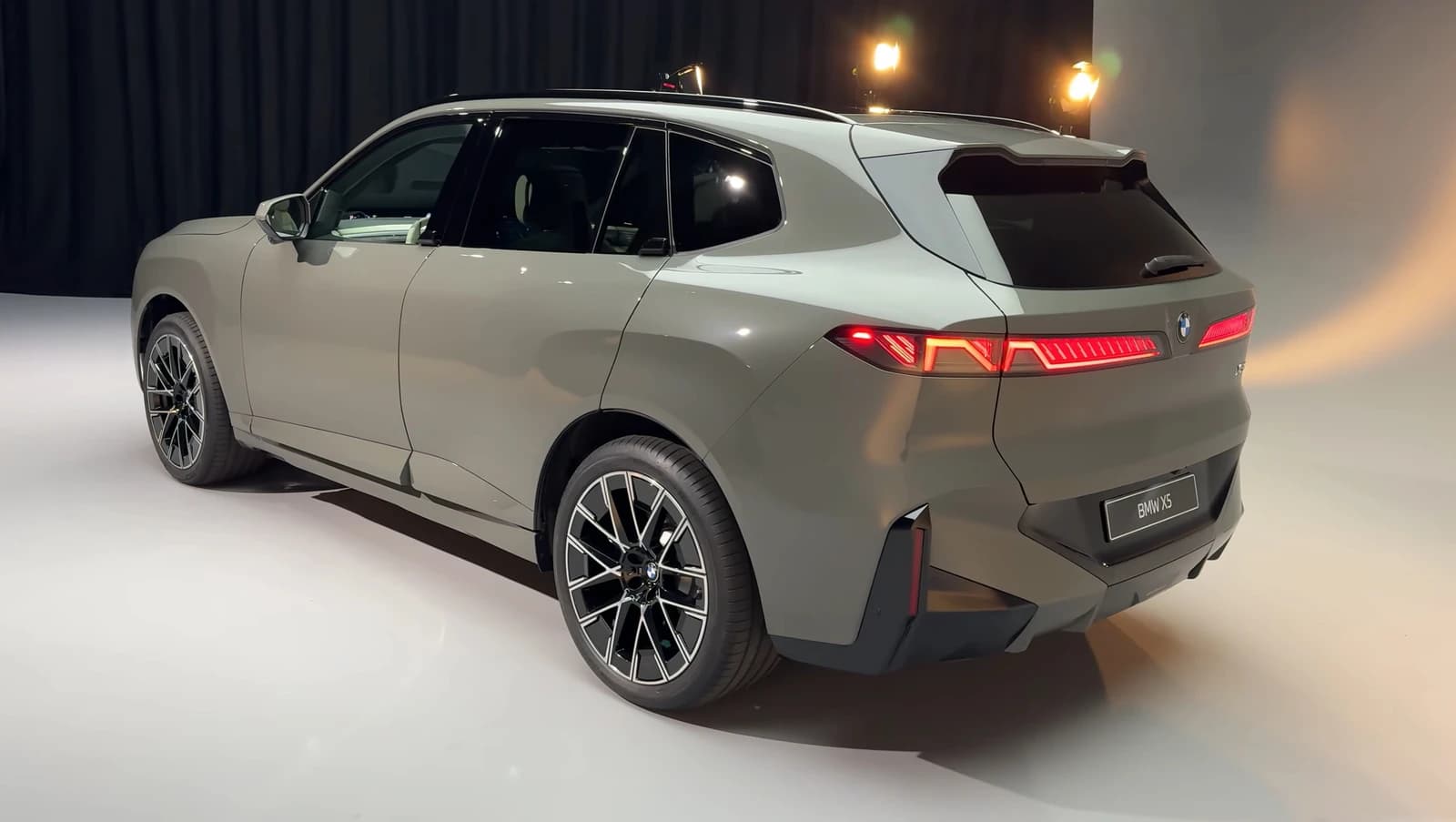
Used electric premium SUVs from Audi, Mercedes, BMW and Jaguar have fallen to as little as 25,000 euros, wiping out more than 65% of their original value and opening a cheaper entry point into a segment that was once well above 70,000 euros new.
Used Audi, Mercedes, BMW and Jaguar EVs plunge
The slide matters because it shows how quickly first-generation luxury EVs are being repriced as battery tech, charging speeds and 800-volt platforms improve. For buyers, that creates bargains in depreciating assets; for owners, leasing companies and fleet operators, it means residual values are under pressure and total cost of ownership assumptions are getting reset.
Audi’s e-tron, Mercedes’ EQC and Jaguar’s I-Pace now start at about 25,000 euros on the used market, while BMW’s iX3 begins around 30,000 euros. Each model launched with a sticker price of roughly 66,000 to 77,000 euros, underscoring the scale of the depreciation: Mercedes’ EQC has dropped from at least 66,000 euros new to about 29,000 euros used, while Jaguar’s I-Pace has fallen from around 77,000 euros to roughly 25,000 euros.
The common thread is that these SUVs were built on 400-volt architectures and now look dated against newer electric models that charge faster and travel farther. The Audi e-tron offers up to 440 kilometers of WLTP range in the stronger version, the EQC up to 432 kilometers, the BMW iX3 up to 471 kilometers and the I-Pace up to 470 kilometers, but charging speeds lag behind newer rivals: the Audi and BMW top out at 150 kW, the Mercedes at 110 kW and early I-Pace versions only manage 3.7 kW on alternating current at home.
That mismatch is feeding depreciation. Buyers increasingly reward faster charging, more efficient drivetrains and better long-distance usability, while older premium EVs still carry high running costs, heavy batteries and the risk of expensive repairs to airbags, electronics and suspension.
For investors and automakers, the used-price slump is a warning sign for residual values across the EV market. It can pressure leasing rates, hurt finance arm assumptions and weigh on brand positioning if newer models are forced to compete against heavily discounted older luxury cars.
The upside for consumers is obvious: premium features such as air suspension, all-wheel drive, large cabins and strong performance are now available at compact-car money. The downside is that battery health, warranty coverage and charging equipment matter more than ever, especially as the oldest examples approach the end of their eight-year battery guarantees.
As Mercedes-AMG and other premium brands push out faster, more advanced electric SUVs, the gap between new and used technology is likely to keep widening — and so will the losses for early owners.
| Entity | Gains | Losses |
|---|---|---|
| Used-car buyers | ▲Luxury EVs at deep discounts | ▼Residual values later may keep falling |
| Original owners / leasing firms | ▲None | ▼65%+ depreciation |
| Audi, BMW, Mercedes, Jaguar | ▲Higher showroom traffic for new models | ▼Brand residual values and finance assumptions |
| Newer EV competitors | ▲Better value proposition | ▼Older premium EVs on the used market |