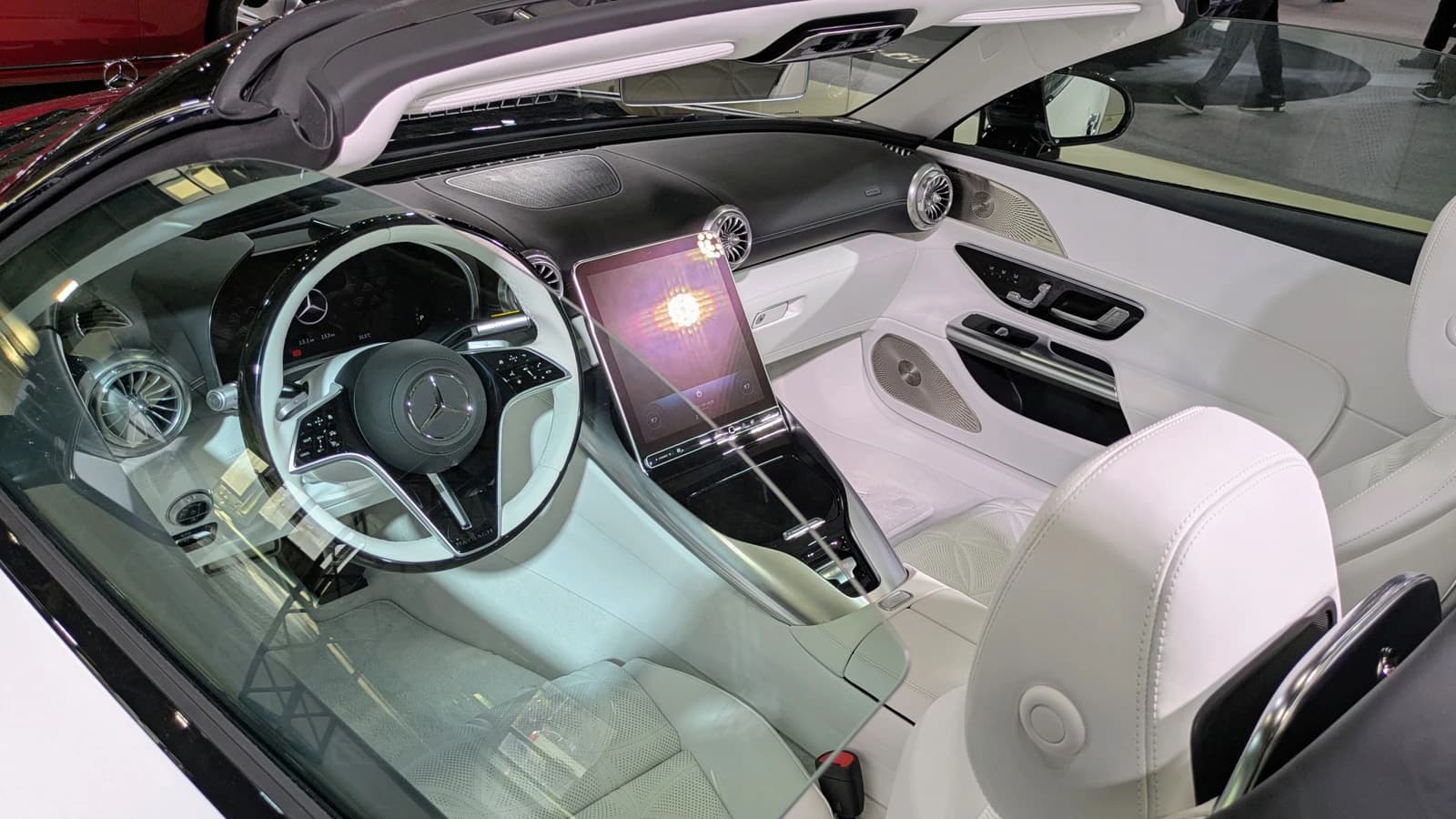
BMW’s newly revealed New Zealand pricing for the all-new X5 is a small but telling gauge of how premium auto makers are defending margins in a market where buyers are still paying up for larger, higher-spec vehicles despite broader consumer caution.
BMW New Zealand X5 pricing and premium SUV margins
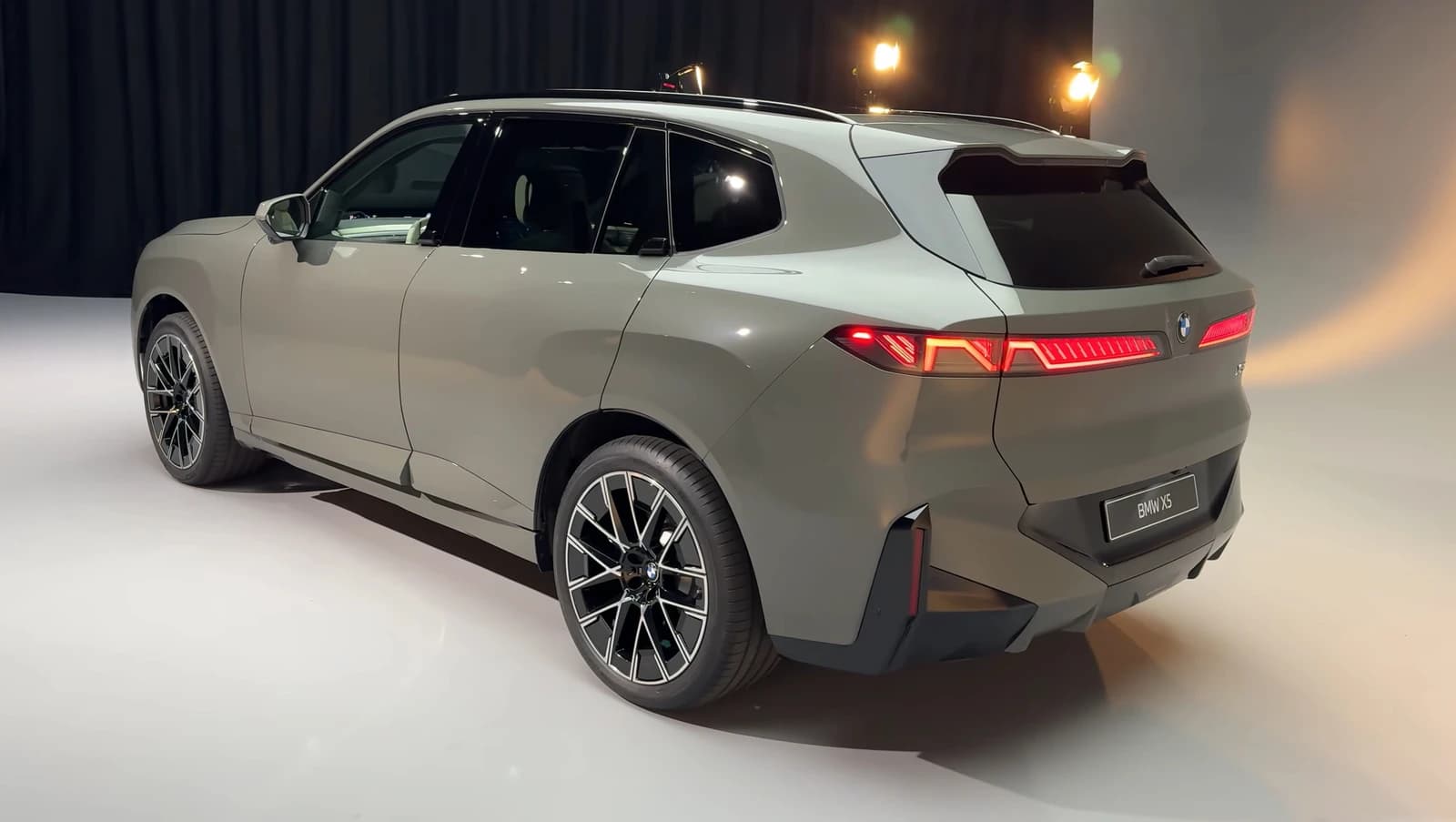
The X5 remains one of BMW’s most important global volume-and-profit models, and local pricing matters because it shows how the German carmaker is balancing product renewal, import costs and demand elasticity in a relatively small but brand-sensitive market. For investors, the launch is less about New Zealand alone than what it says about the resilience of premium SUV pricing power at a time when automakers are contending with higher financing costs, uneven consumer demand and pressure to fund electrification.
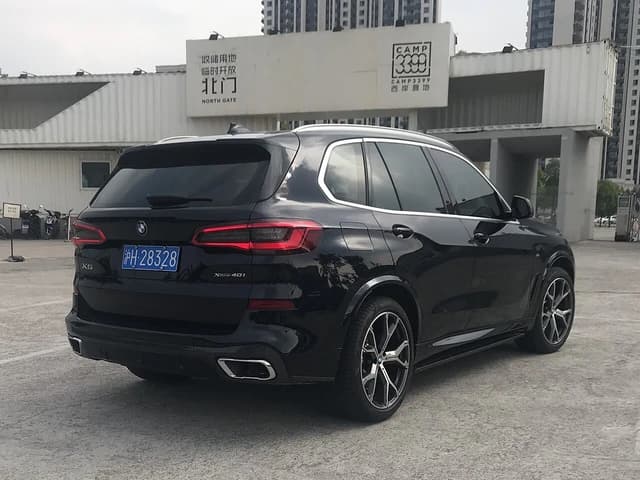
The broader luxury SUV segment has held up better than mass-market cars because buyers tend to be less price-sensitive, especially on models that combine status, technology and utility. That gives BMW room to maintain a premium over mainstream rivals and support residual values, but it also raises the risk that pricing stretches too far if economic growth weakens or competition intensifies from Mercedes-Benz, Audi and electric-vehicle brands.
That tension is visible in the market backdrop. BMW’s shares have generally tracked the sector’s struggle to convert strong product demand into cleaner earnings visibility, while rival Mercedes-Benz has also faced questions over China exposure and pricing discipline. The message from the X5 rollout is that premium manufacturers still see room to charge for fresh product, but the market will judge whether those prices translate into sustainable volume rather than short-lived launch momentum.
For investors, the key issue is whether this kind of pricing can preserve margins without forcing incentives higher later. If BMW can keep premium SUVs selling at elevated price points, that supports revenue mix and cash generation. If dealers have to discount to move inventory, the benefit fades quickly. The New Zealand pricing announcement is therefore less a local retail event than another data point on the durability of luxury auto pricing in a more selective global market.
The next test will be how quickly the new X5 gains traction across core markets, how competitors price their own refreshes, and whether premium buyers continue to absorb higher sticker prices as financing conditions remain tight.
| Entity | Gains | Losses |
|---|---|---|
| BMW | ▲Higher premium pricing | ▼Demand if pricing overshoots |
| Premium SUV buyers | ▲New model choice | ▼Greater upfront cost |
| Mercedes-Benz/Audi | ▲Segment validation | ▼Pressure to match pricing |
| Dealers | ▲Fresh inventory appeal | ▼Incentive risk if sales slow |