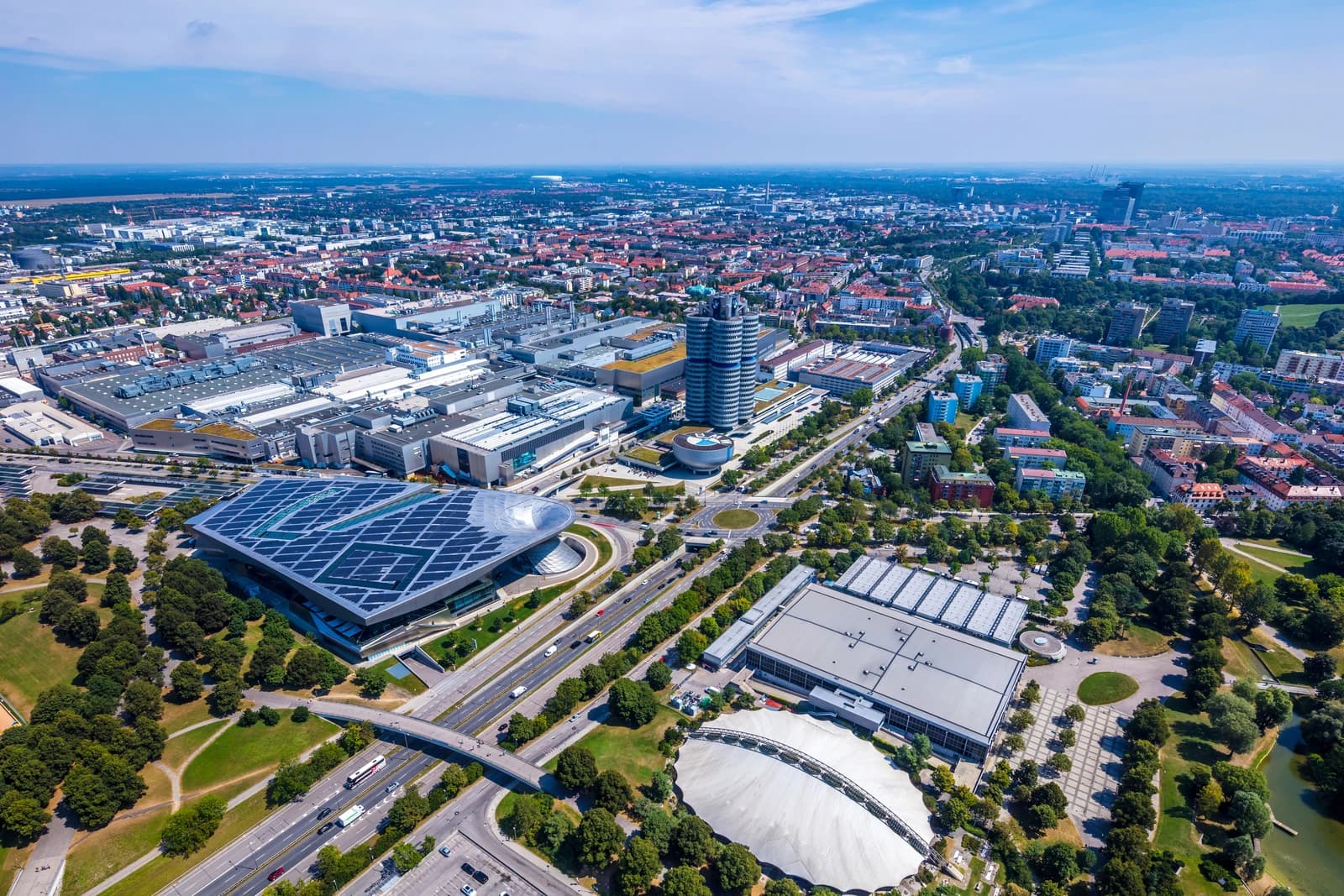
BMW is moving closer to a sharper, more expensive electrification pivot, and the market is treating the portfolio shake-up as a sign the company is willing to sacrifice low-volume prestige models to fund the next generation of electric vehicles.
BMW plans EV pivot and may cut XM, 8 Series
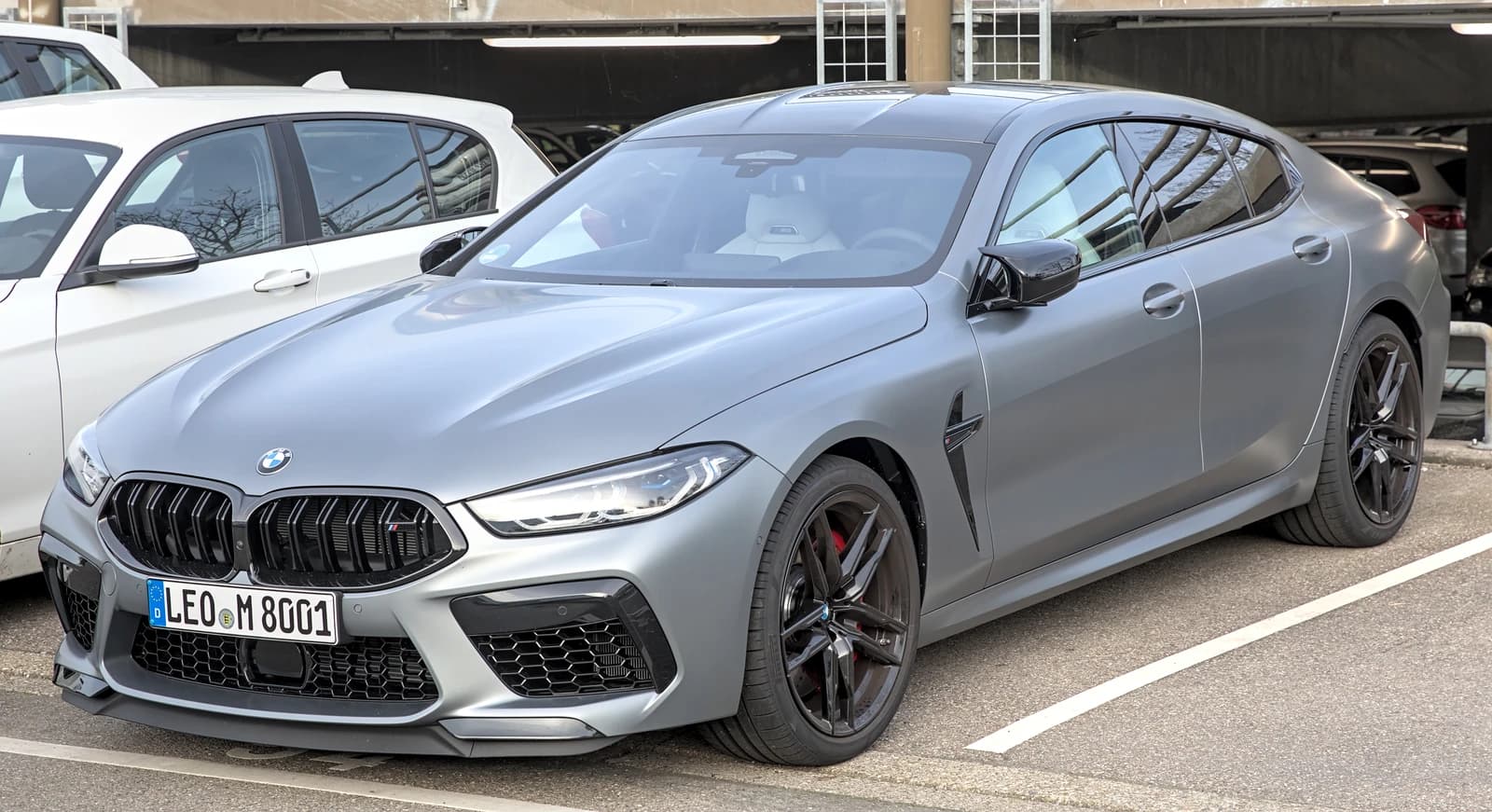
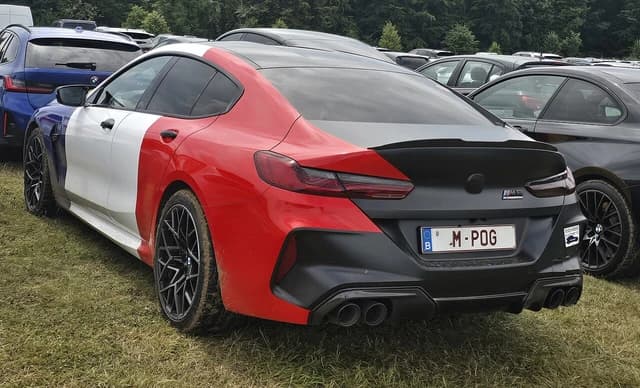
Media reports that the XM and 8 Series could be phased out by 2028, alongside possible changes to the i4, point to one of BMW’s biggest product culls in years. The logic is straightforward: BMW is preparing to roll out its Neue Klasse EV architecture across roughly 40 models by the end of 2027, and that kind of platform transition requires capital, engineering time and factory capacity. Niche models with limited volumes become the easiest place to cut.
Sentiment IndicatorsⓘProprietary · adalytica.com · September 3, 2026
This is a snapshot — live sentiment, awareness and momentum for 130+ markets update continuously in the dashboard.Open AlphaPulse
For investors, the move matters because it shows BMW is no longer treating electrification as an add-on to an existing lineup but as the framework around which the business is being reorganized. BMW has already said it has delivered 2 million battery-electric vehicles, while more than one in four cars delivered in Europe in the first half of 2026 were electrified. That gives management room to argue that pruning expensive halo cars is not defensive retrenchment, but portfolio discipline.
The shift also helps explain why BMW is pushing so hard on new EV products such as the i3 and the next-generation iX3. The company needs its future lineup to absorb the R&D and industrial costs of a full-platform reset. The recently launched iX3, built on the Neue Klasse concept and priced from about 63,700 euros for the 50 xDrive version, is meant to compete in the core premium EV market rather than rely on low-volume luxury flagships. That is a different commercial logic from the XM, which sits in the ultra-high-margin but thin-demand end of the range.
At the same time, the timing is not ideal. BMW is still dealing with a harsh Chinese price war that is spilling into European plug-in hybrids, where BYD has been offering discounts of more than 27% on some models, according to market research cited in the reports. That intensifying competition reinforces the case for BMW to focus resources on products with scale, efficiency and export potential rather than sustaining models that can no longer carry their weight in a market shaped by aggressive Chinese pricing.
The stock has already been under pressure, even as it has stabilized in recent sessions. BMW shares traded around 61.74 euros on the latest reading, far below the roughly 74-euro 200-day moving average, but above the 50-day average near 59 euros. That pattern suggests the market sees progress in the restructuring story, but not yet enough to re-rate the shares decisively. Mercedes-Benz, meanwhile, has been more resilient on the tape, underscoring the investor focus on who can execute the EV transition with the least margin damage.
The bull case is that BMW is making the right trade-off: trimming distracting, low-volume models now to protect the next decade of earnings. The bear case is that the company risks weakening its brand halo and giving away profitable niches before the Neue Klasse ramp is fully proven. What happens next will depend on whether BMW can convert its EV momentum into volume and pricing power fast enough to offset the loss of legacy nameplates and the broader pressure from Chinese competition.
| Entity | Gains | Losses |
|---|---|---|
| BMW core EV lineup | ▲More capital and capacity | ▼Fewer legacy distractions |
| XM and 8 Series | ▲— | ▼Phase-out risk by 2028 |
| BMW investors | ▲Clearer EV strategy | ▼Brand dilution risk |
| BYD and Chinese rivals | ▲Competitive pressure on BMW | ▼Potential tariff scrutiny |