BMW has put a premium stake in India’s fast-growing luxury EV market with the launch of its locally produced i5 Long Wheelbase electric sedan, a move that could help the German automaker defend share in a market where range, comfort and charging speed are becoming the real battlegrounds.
BMW launches i5 LWB EV in India
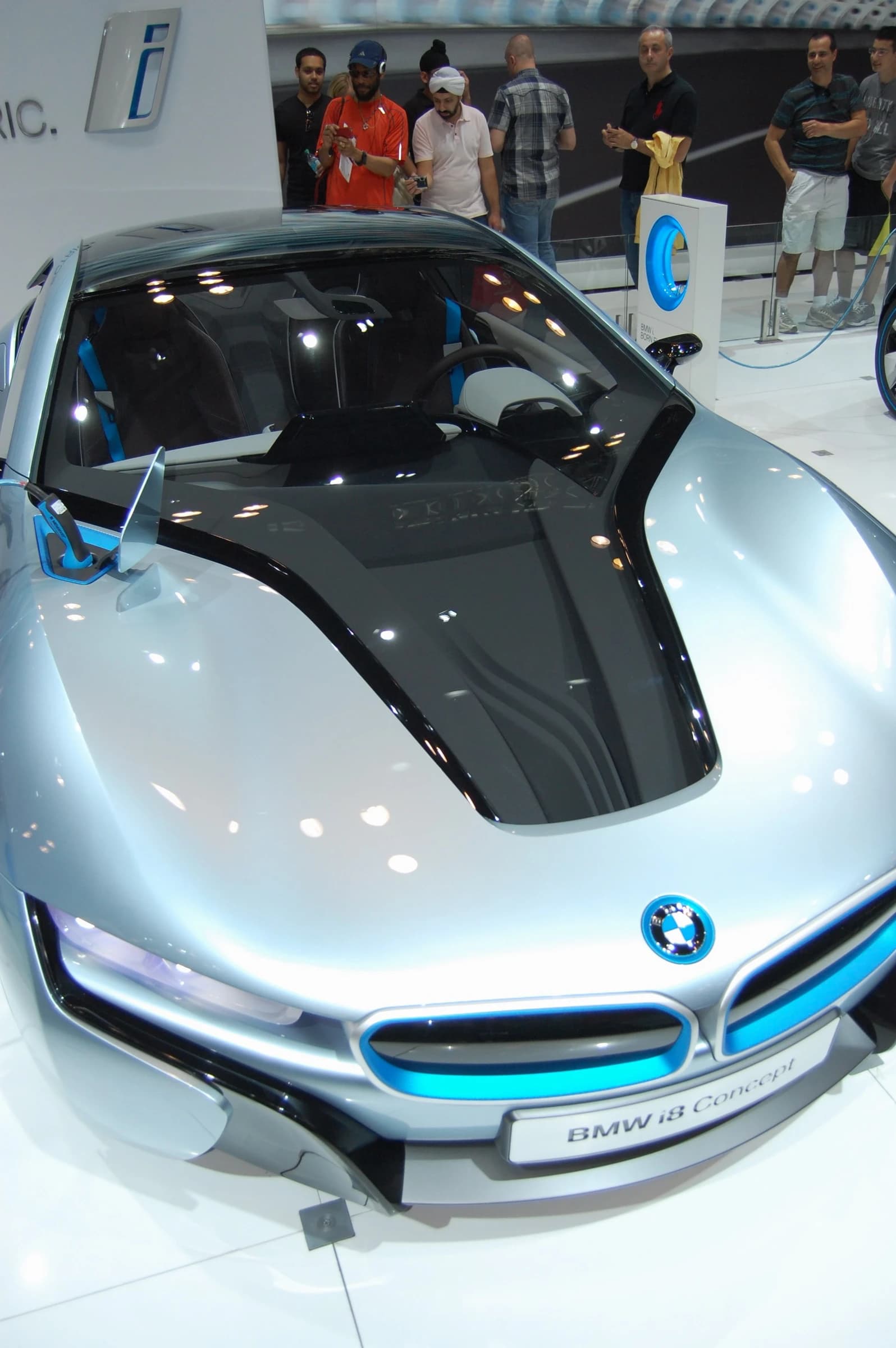
The headline number is the range: BMW says the i5 eDrive35L can travel up to 669km on the MIDC cycle from an 81.6kWh battery, with 160kW DC fast charging taking the pack from 10% to 80% in 33 minutes. For buyers at the top end of India’s market, that matters because it narrows one of the biggest objections to battery electric vehicles — not just range anxiety, but the inconvenience premium that has kept many wealthy car owners in hybrid or internal-combustion models.
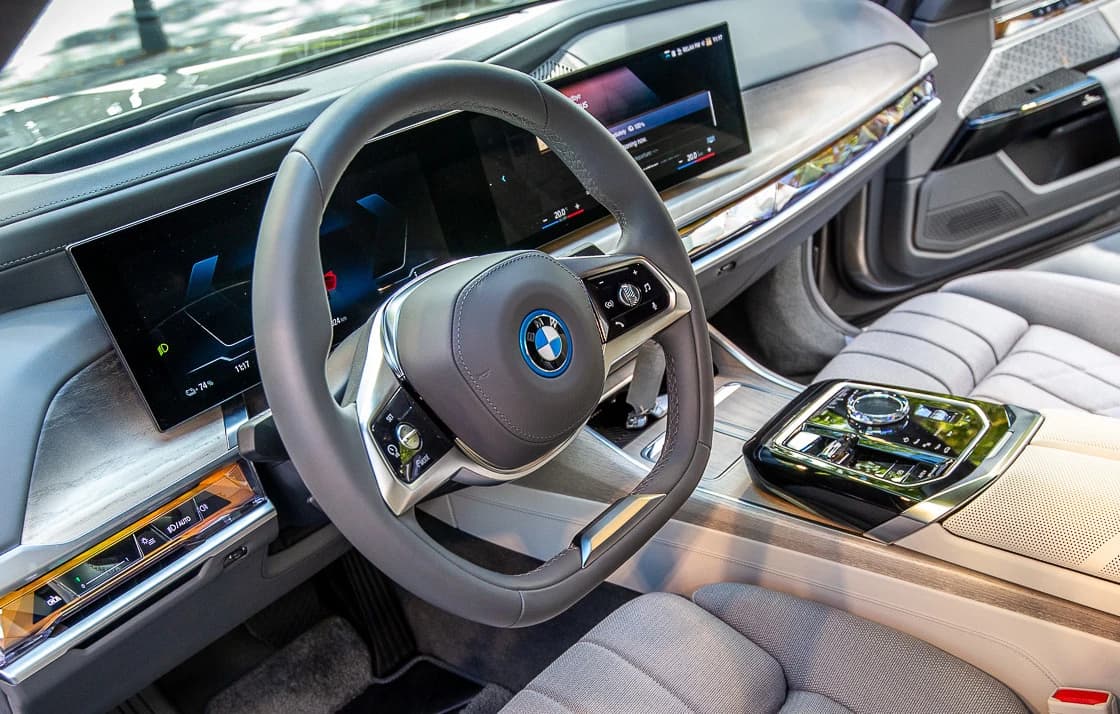
Pricing starts at 79.60 lakh rupees, which places the i5 squarely in the luxury segment where BMW is selling not just transportation but status, rear-seat comfort and technology. The first edition sold out before launch, a sign that affluent buyers are willing to pay for a locally built product with long-wheelbase space, four-zone climate control, a panoramic roof and a cabin loaded with digital displays and rear entertainment.
The broader strategic point is that BMW is localizing an EV that fits India’s roads and buyer preferences. Production at the Chennai plant reduces import dependence, helps BMW manage costs and gives it more flexibility on pricing and supply. That matters in India, where imported premium EVs can become expensive quickly and where domestic assembly can be the difference between a niche launch and a scalable business.
For investors, the launch reinforces a simple thesis: the luxury EV opportunity is not just about unit sales, it is about who controls the premium customer relationship as electrification accelerates. BMW is trying to use range, ride comfort and local production as a moat against Tesla, Mercedes-Benz and domestic challengers, while also building a supply chain and service model that can support future EV rollouts in India.
The timing is important. India’s EV adoption is still early, but premium buyers are often the first to pay for the technology that later filters down the market. If BMW can turn the i5 into a credible volume product rather than a halo car, it would strengthen its position in one of the few large auto markets still early enough for meaningful share gains.
The market should watch whether the i5 LWB becomes a template for more locally assembled premium EVs and whether BMW can convert the initial sold-out launch into sustained deliveries. If it can, the real winner is the company that owns the luxury EV infrastructure and after-sales network — not just the car with the biggest advertised range.
| Entity | Gains | Losses |
|---|---|---|
| BMW | ▲India luxury EV share | ▼Import cost burden |
| BMW i5 LWB buyers | ▲669km range, rear-seat comfort | ▼Higher upfront price |
| Tesla, Mercedes-Benz | ▲EV demand tailwind | ▼Premium segment pressure |
| ICE luxury sedans | ▲No direct gain | ▼Share to EVs |