BMW’s refreshed 7 Series shows the company can still build a world-class luxury EV, but the lack of an 800-volt charging system leaves the i7 looking dated exactly where premium buyers care most: time, convenience and long-distance usability.
BMW i7 Lacks 800-Volt Charging in Refresh
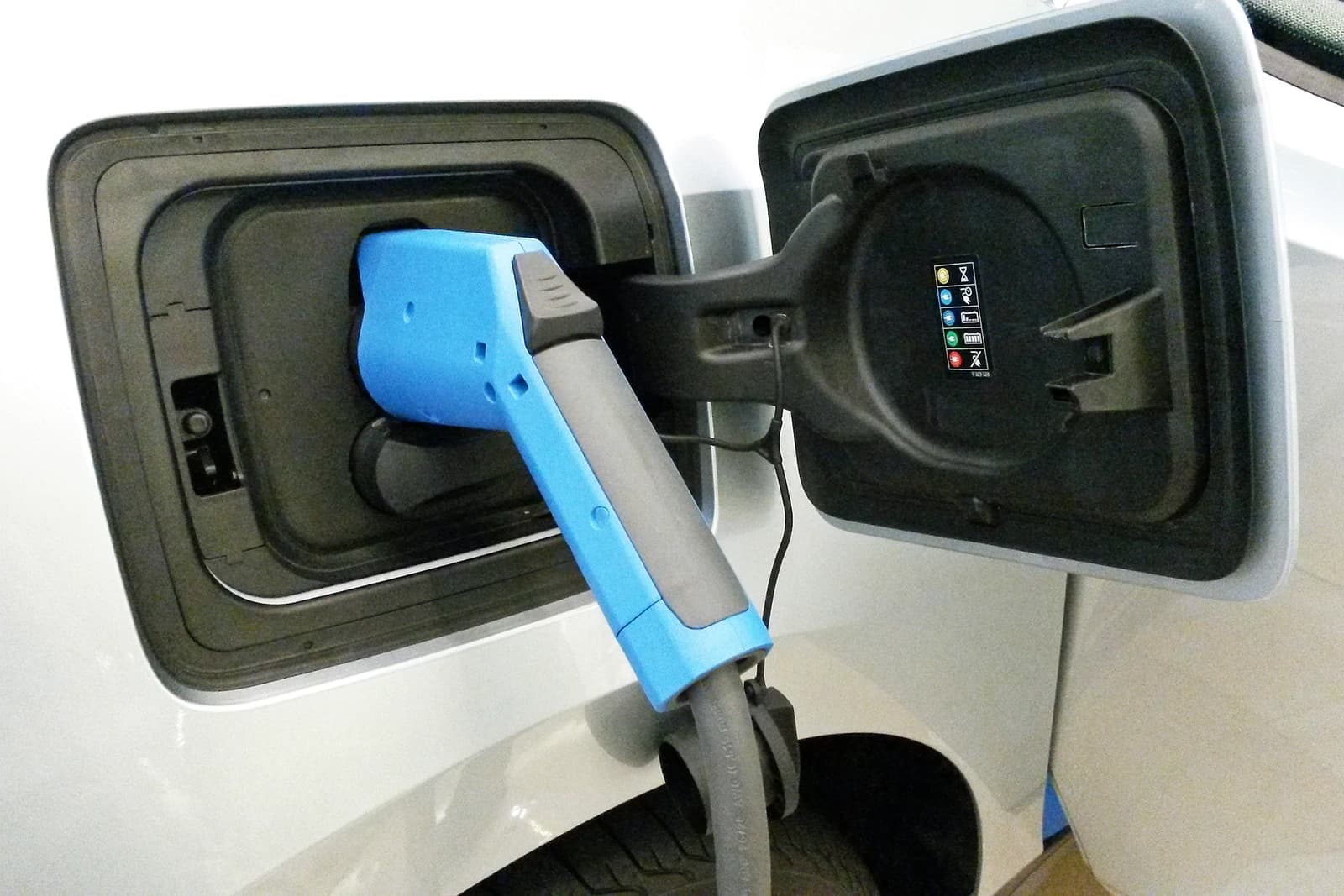
That matters because the electric luxury segment is no longer won on cabin screens, soft leather or ride quality alone. It is being defined by charging performance, and BMW’s decision to keep the i7 on 400 volts caps peak charging at 250 kW even as rivals push harder on architecture and recharge times. For a car that starts at 145,740 euros, the market expects more than respectable range and strong acceleration. It expects infrastructure-grade speed.
Sentiment IndicatorsⓘProprietary · adalytica.com · September 20, 2026
This is a snapshot — live sentiment, awareness and momentum for 130+ markets update continuously in the dashboard.Open AlphaPulse
BMW has done plenty right. The revised i7 keeps the brand’s core appeal intact: near-silent cruising, strong real-world comfort, precise steering and a drivetrain that can move a 2.7-tonne flagship with ease. Real-world range of around 550 kilometers makes the car viable for European luxury buyers, and BMW still gives customers a wide powertrain spread across gasoline, diesel, plug-in hybrid and battery-electric versions. That flexibility is strategically important in a market where EV demand remains uneven and premium customers still want optionality.
But the charging story is what investors should focus on. In the executive-luxury EV class, charging speed is becoming the equivalent of range anxiety insurance. Buyers with home charging can live with slower DC rates. Fleet operators, chauffeurs and high-end road warriors cannot. BMW’s omission is especially awkward because 800-volt systems are already filtering down into cheaper vehicles, while Mercedes has moved its EQS to 800 volts in a recent update. That puts pressure on BMW’s premium positioning and raises the risk that the i7 competes on comfort while losing the technology race.
For investors, the takeaway is broader than one sedan. The luxury EV market is shifting toward a full-stack test: software, charging architecture, battery efficiency and branded experience. Cars that fail one of those tests can still sell, but they lose pricing power over time. That is why the market underestimates how important charging architecture is to long-term EV margins. A premium badge does not excuse a slower plug-in experience when competitors are setting the pace.
The bigger opportunity, in my view, sits with the companies that supply the picks-and-shovels of faster charging and grid buildout, not necessarily the automakers trying to protect old platforms. The EV transition is becoming an infrastructure story as much as an auto story, and that is where durable cash flow will accrue. BMW’s refreshed i7 proves luxury EV demand still exists. Its charging compromise shows why the winners will be the manufacturers and suppliers that treat recharge time as a core product feature, not a technical footnote.
| Entity | Gains | Losses |
|---|---|---|
| BMW gasoline, diesel and PHEV lineup | ▲Keeps flexibility with luxury buyers | ▼Faces slower EV bragging rights |
| Mercedes EQS | ▲Gains tech leadership narrative | ▼Must defend luxury market share |
| EV charging infrastructure suppliers | ▲Gains urgency for faster rollout | ▼Loses if automakers lag on charging tech |
| BMW i7 buyers | ▲Gains comfort, range and versatility | ▼Loses time at fast chargers |