BMW is moving to put hydrogen back on the automotive map with a production iX5 due in 2028, betting that ultra-fast refueling and long range can carve out a niche where battery-electric vehicles remain constrained by charging times and infrastructure.
BMW iX5 hydrogen model planned for 2028
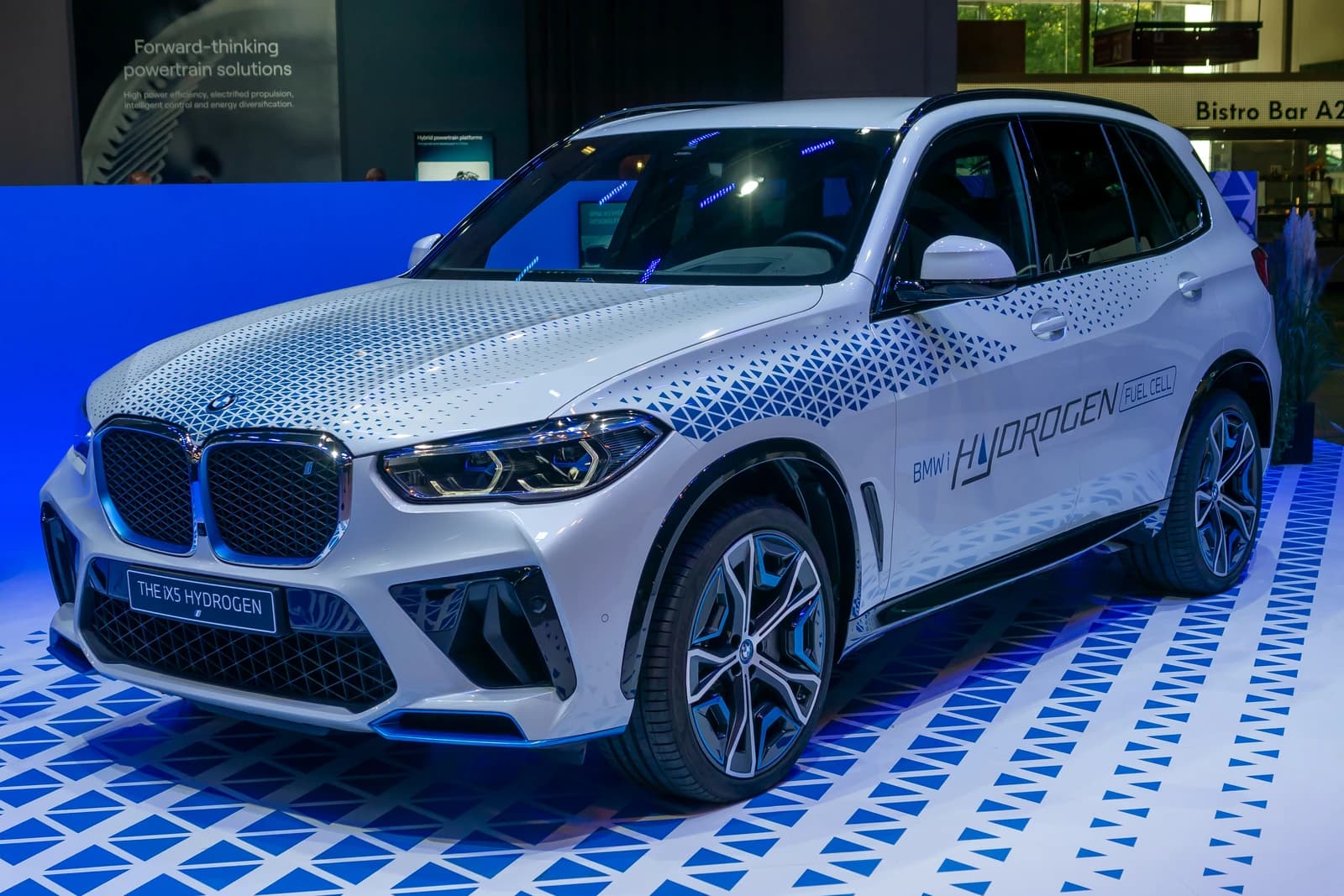
The German carmaker says the hydrogen-powered iX5 will be able to refuel in less than five minutes and travel up to 750 kilometers under WLTP testing, a combination that directly targets one of the biggest objections to electric cars: downtime. For fleets, premium buyers and drivers who regularly cover long distances, the pitch is not just environmental but operational, especially if BMW can deliver petrol-like convenience without tailpipe emissions.
Sentiment Indicators
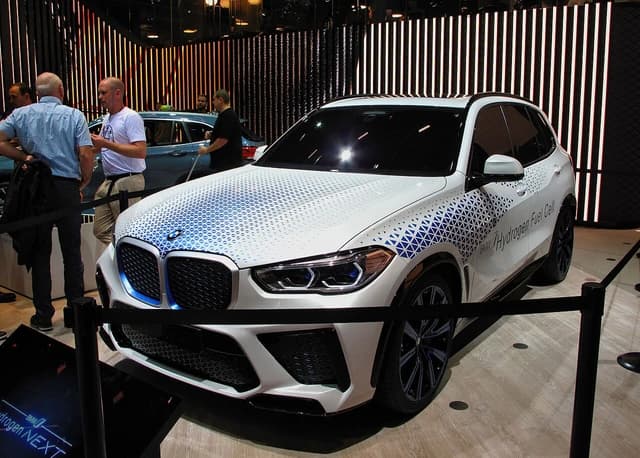
That matters because the hydrogen market has long been caught between technological promise and commercial reality. Fuel-cell vehicles have struggled with sparse refueling networks, high system costs and limited consumer demand, while battery-electric models have dominated the transition to lower-emission transport. BMW’s decision to push the iX5 toward mass production suggests it sees a small but viable opening in a market where range, towing, cold-weather performance and fast turnaround could still favor hydrogen over batteries in some use cases.
BMW is not going it alone. The third-generation fuel-cell system was developed with Toyota, extending a partnership that has lasted more than a decade and reflects the persistent, if uneven, commitment by major automakers to hydrogen technology. BMW says the new stack is 25% smaller than the previous version without sacrificing performance, an important cost and packaging improvement if the company hopes to move beyond demonstration models and into a sustainable production program.
The broader backdrop is improving, though still far from robust. Europe’s push to expand hydrogen infrastructure for trucks and buses could also benefit passenger vehicles, and recent announcements from industry groups at the IAA Transportation fair point to a more coordinated build-out. Beijing’s approval of an integrated hydrogen production and refueling station and new green hydrogen projects in markets such as Oman reinforce the sense that hydrogen investment is regaining momentum globally, even as some automakers, including Honda, have stepped back from parts of the segment because of weak demand.
For investors, BMW’s announcement is less about immediate earnings and more about strategic optionality. The company is signaling it does not want to cede every alternative-powertrain niche to battery-electric rivals, particularly in premium SUVs where customers may value convenience and long range over pure battery capacity. If infrastructure expands and costs fall, hydrogen could support higher-margin differentiation in selected markets; if it does not, the project risks remaining a technology showcase rather than a meaningful profit driver.
Still, the 2028 timing is important. It gives BMW room to align product launch with a potentially better hydrogen ecosystem, while keeping pressure on the industry to prove that fuel cells can move from pilot programs to commercial scale. The iX5 will be a test not only of BMW’s engineering, but of whether hydrogen can evolve from a policy talking point into a real consumer choice.
| Entity | Gains | Losses |
|---|---|---|
| BMW | ▲Powertrain optionality | ▼Battery-only narrative |
| Toyota | ▲Hydrogen technology validation | ▼Slow hydrogen adoption |
| Hydrogen infrastructure builders | ▲Demand visibility | ▼EV charging incumbents |
| Battery-electric rivals | ▲— | ▼Some premium SUV buyers |