Honda’s recent outperformance is being driven less by battery-electric optimism than by a more immediate profit engine: hybrids are keeping showroom traffic and margins firmer while the auto industry wrestles with an awkward transition that is also straining dealership operations.
Honda shares rise on hybrid sales strength
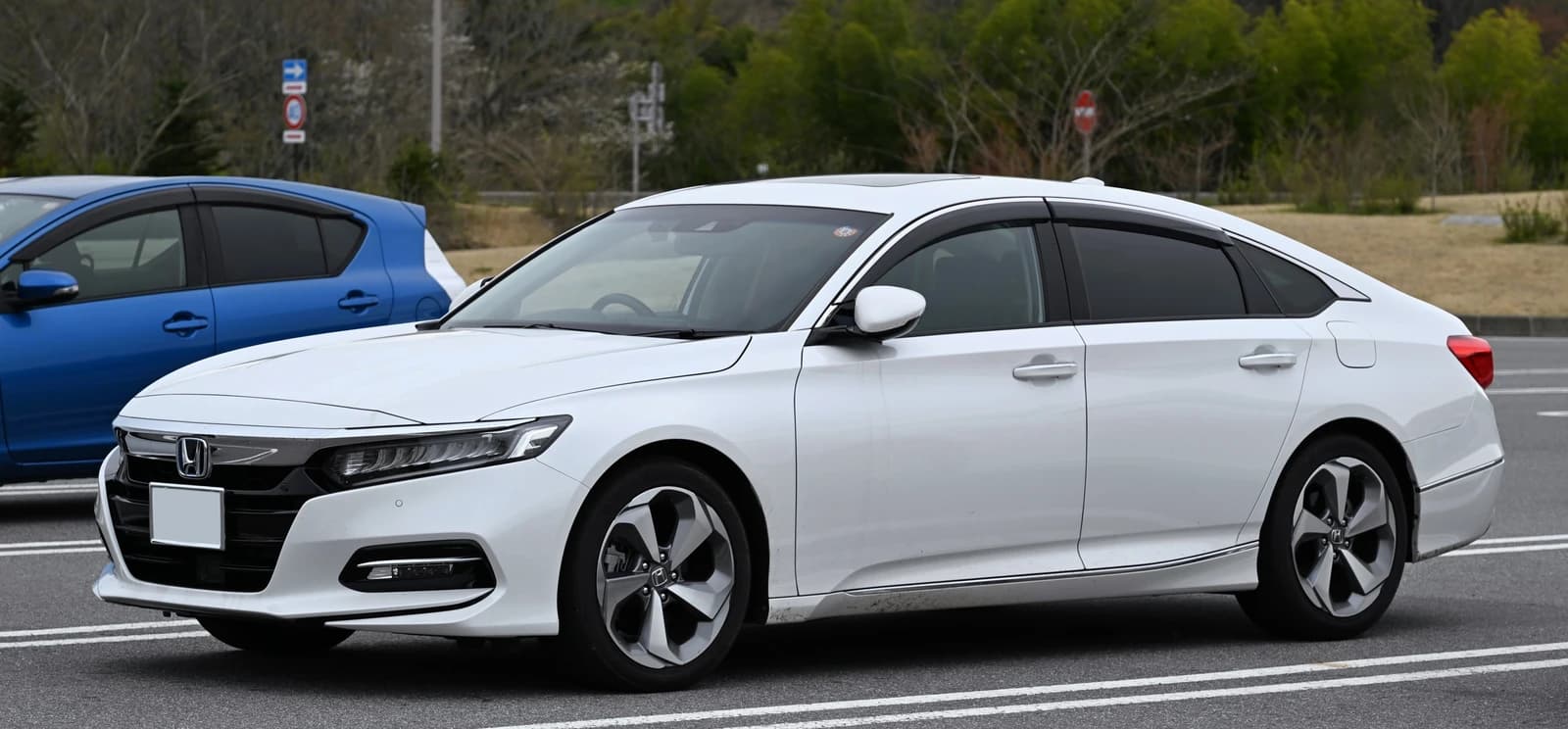
That matters because hybrids have become the most commercially practical bridge product in a market where consumers remain cautious on full EV adoption and where manufacturers are still managing heavy electrification spending. For Honda, the mix is especially valuable: it supports earnings without requiring the same upfront capital intensity as a full EV push, and it gives dealers a product category that is easier to sell than pure battery models in many markets.
Sentiment Indicators
Honda Motor Co. shares have climbed to 36.26 on Nov. 5 from 29.42 on Jan. 28, a gain of more than 23% over that stretch and a clear sign investors are rewarding the company’s current product mix. The stock is also trading above its 50-day moving average of 32.87 and well above its 200-day average of 28.95, while the relative strength index at 67.1 suggests strong momentum without yet being in extreme territory. The message from the tape is that Honda’s hybrid-led business is being valued as a durable earnings cushion at a time when the broader auto sector is still facing transition risk.
The appeal is not just about one company. A similar logic is helping Hyundai and Kia, which have also leaned into hybrid demand as consumers hesitate over charging infrastructure, sticker prices and residual-value uncertainty tied to EVs. For Asian automakers, hybrids are proving to be a useful way to protect volume and profitability while preserving optionality on longer-term electrification plans.
That shift also helps explain why dealership economics remain uneven. The source material points to a technician shortage in dealerships, a problem that becomes more acute as service bays are asked to handle increasingly complex powertrains. Even when hybrids are simpler than full EVs, they still require specialized diagnostics, battery systems knowledge and higher-skilled labor than many legacy combustion vehicles. In practical terms, that can constrain service throughput, lift labor costs and pressure dealer margins just as inventory and product mix are changing.
For investors, the bull case is straightforward: hybrids are extending the life of profitable internal-combustion-adjacent platforms and reducing the risk that automakers burn too much cash chasing EV demand that is arriving more slowly than expected. The bear case is that the hybrid window may prove only temporary if regulators tighten emissions rules faster than consumers upgrade, or if automakers are forced to spend heavily on both hybrid and EV platforms at the same time. Dealers face a similar squeeze: they can benefit from steadier hybrid sales, but the shortage of trained technicians may cap service growth and raise operating expenses.
The broader narrative is that the auto industry’s transition is not moving in a straight line from gasoline to battery electric. Hybrids are emerging as the profit-preserving middle ground, and companies such as Honda, Hyundai and Kia are being rewarded for reading the market that way. The next test will be whether they can keep that advantage as competition intensifies, policy pressure builds and dealership labor constraints become harder to ignore.
| Entity | Gains | Losses |
|---|---|---|
| Honda, Hyundai, Kia | ▲Stronger hybrid sales mix | ▼Pure-EV growth bets |
| Dealers selling hybrids | ▲More traffic and near-term revenue | ▼Service bottlenecks |
| Automakers with hybrid lineup | ▲Better margins, lower EV risk | ▼Heavy EV-only spenders |
| Consumers / regulators | ▲Lower-emission bridge option | ▼Faster full-EV transition |