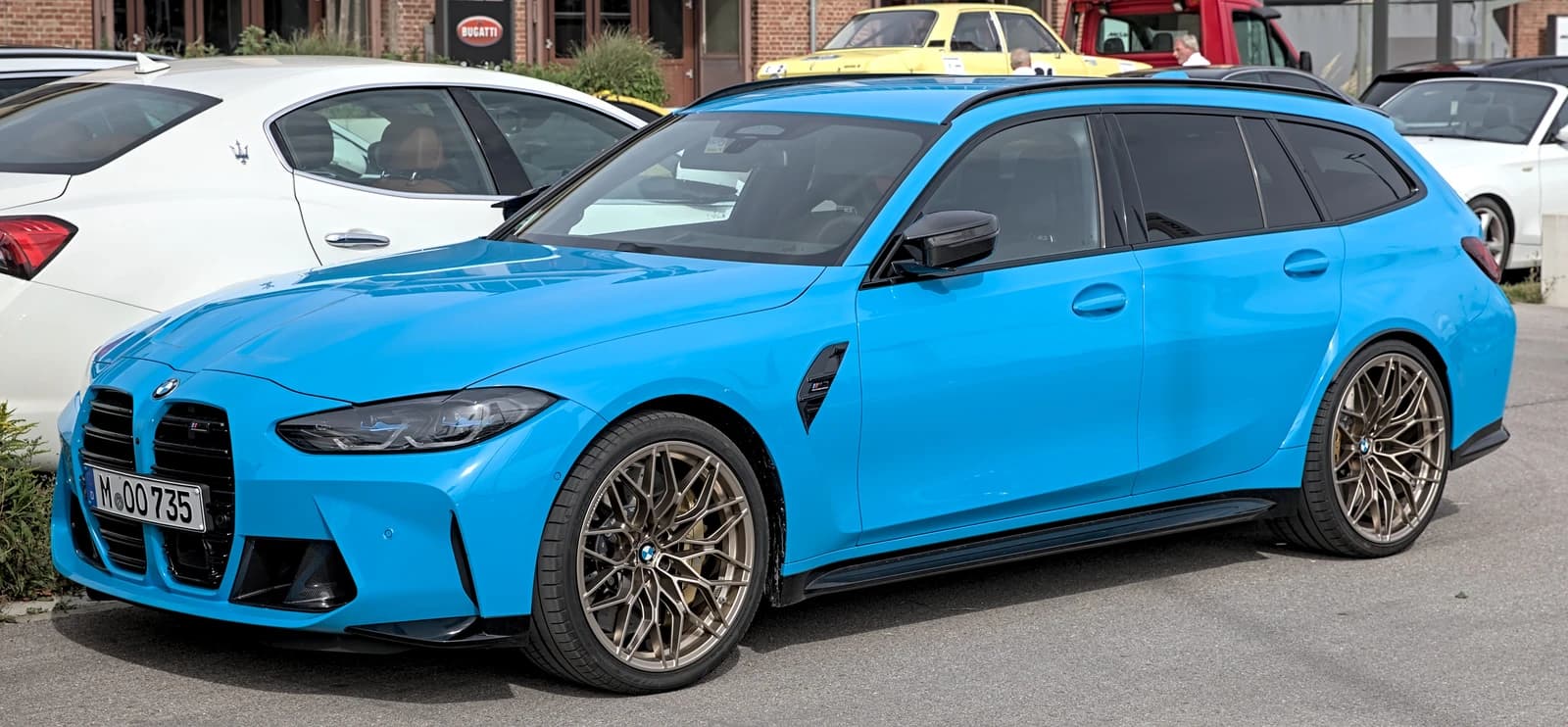
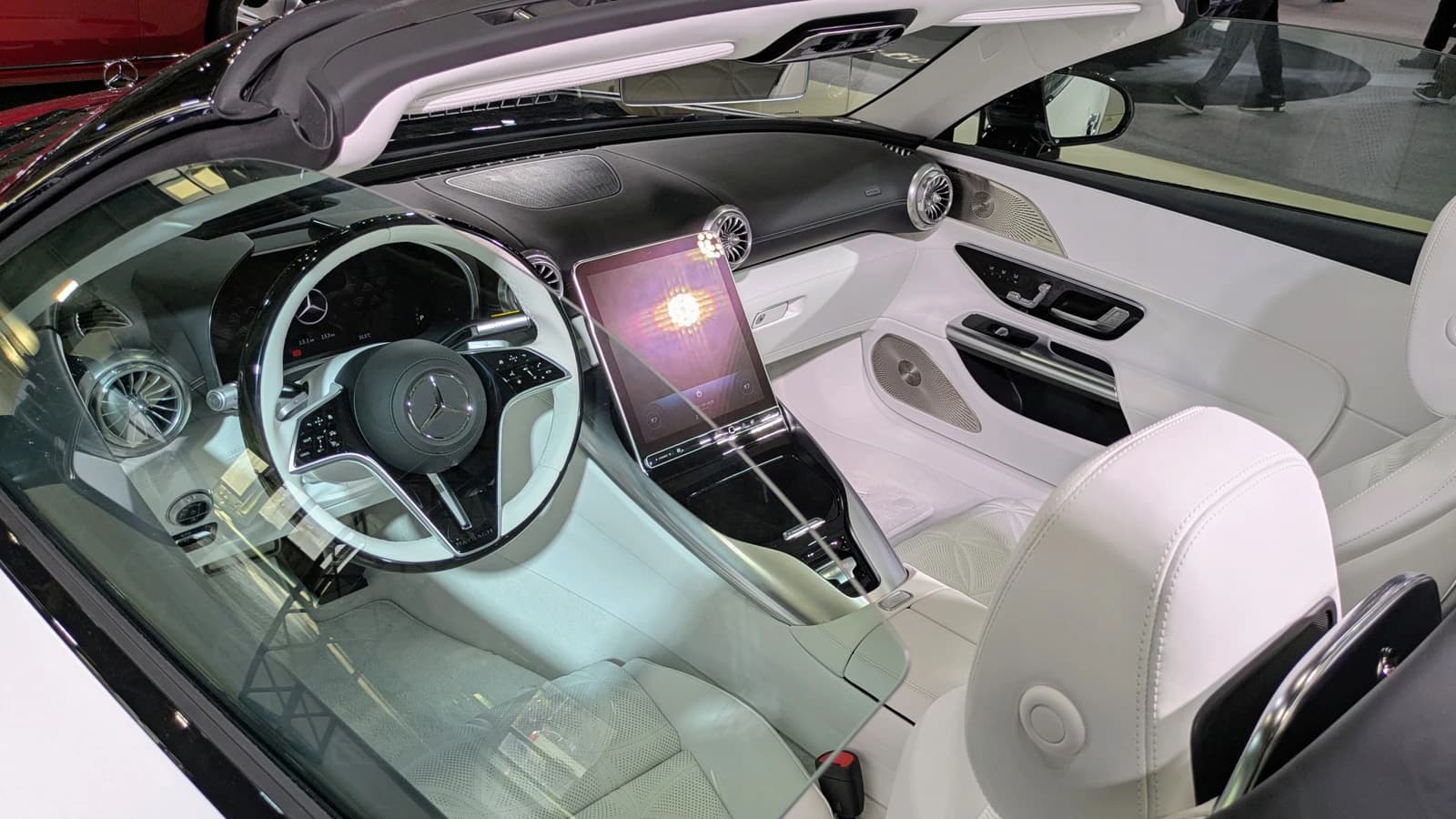
BMW’s restart of 3 Series production in Dingolfing is more than a model update: it is a clean sign that the company is now running a split-birth strategy in which its core sedan line is being divided between combustion and electric powertrains, with Munich reserved for EVs and Dingolfing taking the gas-powered 3 Series.
BMW 3 Series production shifts to Dingolfing
That matters economically because BMW is making a capital-allocation bet on two markets at once. The German carmaker is effectively protecting one of its most important volume badges while it reshapes manufacturing around the Neue Klasse era, keeping internal-combustion cash flow alive even as it converts Munich into an all-electric plant. For investors, that is the kind of transition that can support margins and buy time: the 3 Series remains a global profit engine, while the i3 gives BMW a dedicated EV platform without forcing a rushed, all-in migration that could damage pricing power.
Sentiment Indicators
The move also reorders BMW’s factory map. Munich has built the 3 Series since 1975, but now it will focus exclusively on electric production, while Dingolfing — long home to the 5 Series and 7 Series — absorbs the gas model after more than two decades. That is a significant industrial signal. BMW is not merely adding an EV; it is redesigning its best-known sedan around the reality that the transition to electric vehicles will be uneven by region, with Europe taking early supply and North America likely waiting until the first quarter of 2027 for the 2028 model year.
For the market, the more important point is that BMW is trying to preserve optionality. The new 3 Series arrives with an M350 performance variant likely locked in and a plug-in hybrid possible for the U.S. That gives the company more levers on emissions compliance, fleet mix and average selling prices at a time when premium buyers are still split between electrification and traditional combustion. The old playbook — one platform, one factory, one powertrain future — is gone.
The stock reaction in auto names will hinge less on this launch itself than on whether BMW can execute the broader manufacturing shift without sacrificing scale economics. BMW and Mercedes-Benz both trade as legacy luxury names under pressure to prove they can defend profitability while electrifying. BMW’s decision to keep the 3 Series alive as a gas model, rather than force a premature EV-only transition, suggests a more disciplined approach. That is exactly what the market tends to reward when demand remains fragmented and capital spending across the sector is still elevated.
Investors should read this as a reminder that the winners in the EV transition are not always the purest EV plays. They are often the companies that can monetize both sides of the shift — the incumbent combustion franchise and the new electric architecture — while controlling manufacturing complexity. BMW is trying to do both, and the 3 Series is the proof point. The next catalyst will be the U.S. specification reveal, which should show whether BMW can turn that flexibility into pricing power in its most important profit pool.
| Entity | Gains | Losses |
|---|---|---|
| BMW | ▲Preserves 3 Series cash flow | ▼Higher factory complexity |
| Dingolfing plant | ▲More volume and relevance | ▼Less room for other models |
| Munich plant | ▲EV-only strategic role | ▼Ends 3 Series production |
| Mercedes-Benz and other rivals | ▲None | ▼BMW gains premium-sedan flexibility |