VinFast’s growing after-sales system matters because it is turning customer support into a commercial advantage just as the Vietnamese EV maker is trying to convert a surge in deliveries into lasting brand loyalty. For investors, that is the difference between a one-time sale and a repeat buyer.
VinFast Expands After-Sales Support
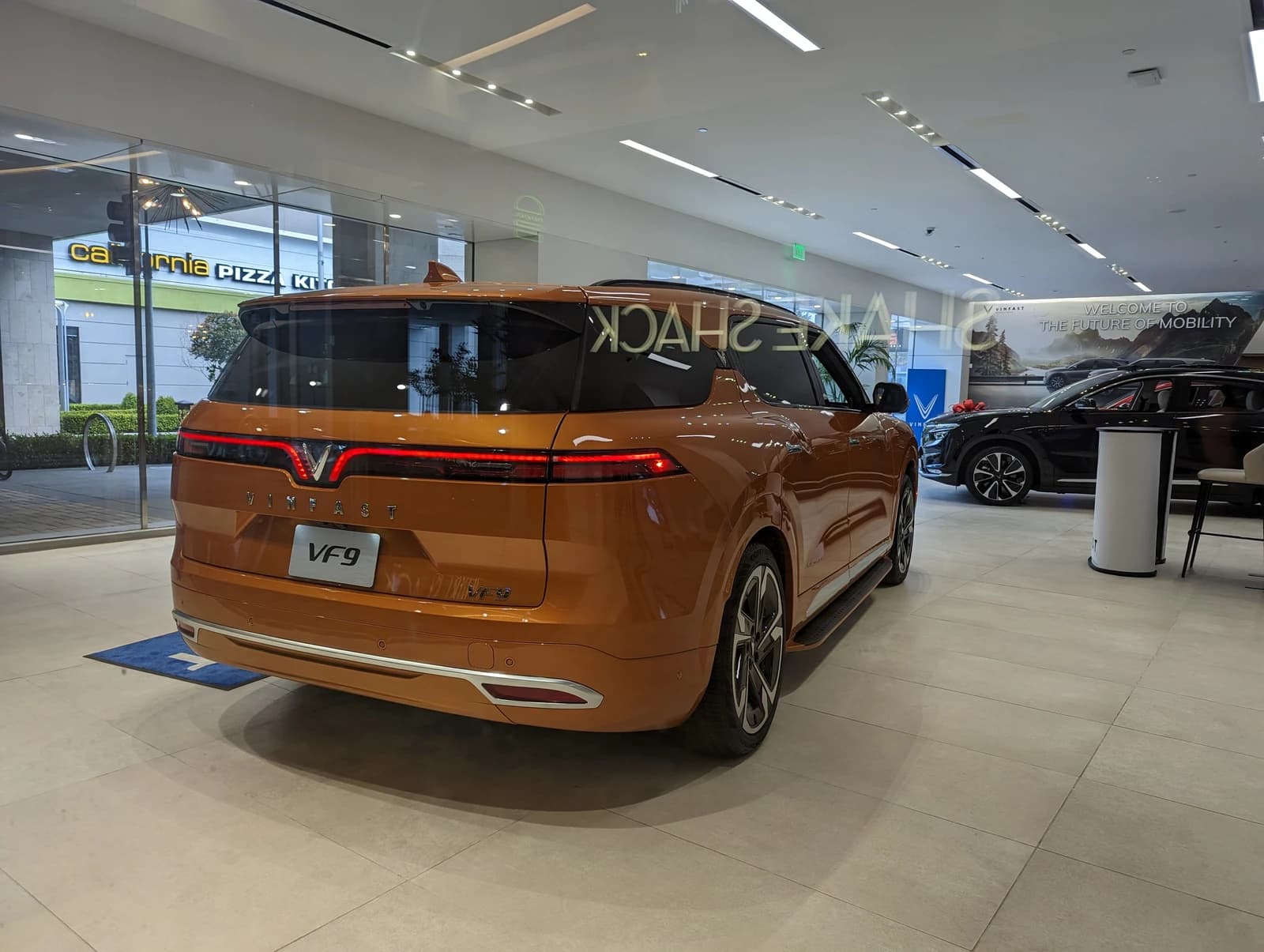
The company said customers can now book service, ask for troubleshooting help and schedule repairs through its app, while roadside assistance is available 24/7 through a hotline, the app or an in-car SOS button. In practical terms, that means owners do not always need to visit a workshop just to diagnose a problem, and they can get help remotely when issues can be solved with advice or software updates. In a sector where poor service can quickly erode confidence, that is not a small detail. It is part of the product.
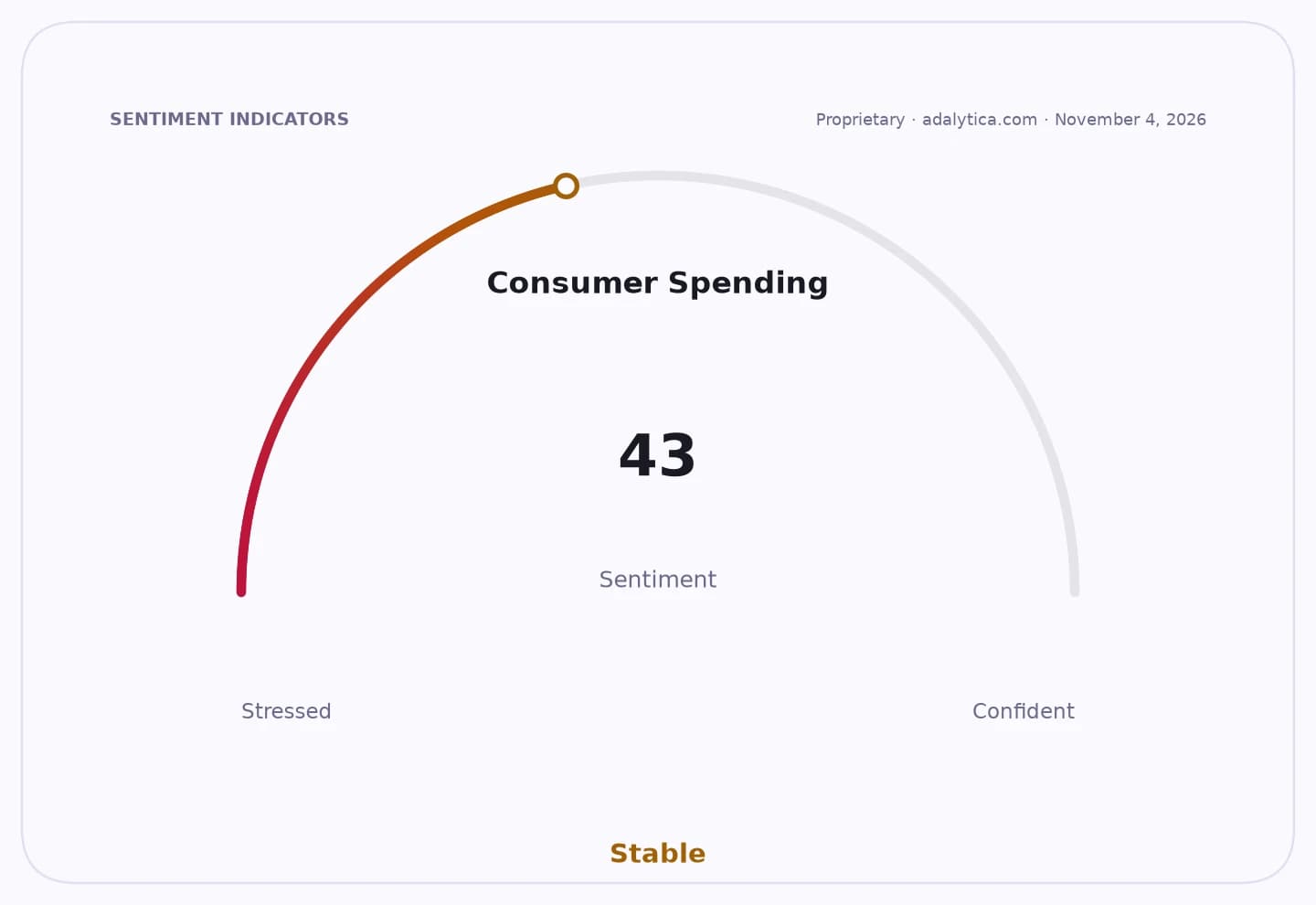
Sentiment Indicators
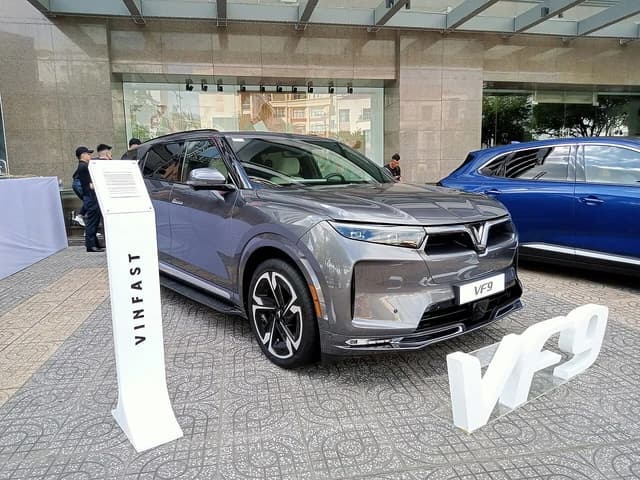
The timing is important. VinFast reported preliminary third-quarter global deliveries of 82,580 electric vehicles, up 116% from a year earlier, showing the company is still in a rapid expansion phase. As fleets grow, the burden shifts from making and shipping vehicles to supporting them for years after the sale. That is when customer experience, parts availability and service reach start to shape the economics of the business. A buyer who can get a fast answer, a free tow or a software fix is more likely to stay inside the VinFast ecosystem when it is time to upgrade.
That broader service infrastructure also matters for profitability. After-sales support can strengthen residual values, improve brand trust and reduce the risk that early adopters become detractors. It can also lower friction for owners who live far from a physical service center, which is especially relevant in a market like Vietnam and for a company still building its global footprint. Rivals such as Tesla and Rivian have spent years stressing that service capacity is as important as vehicle launches, and VinFast is making the same argument in its own way.
There is also a useful investor lesson here: in EVs, the story does not end with delivery numbers. Over time, the winners are often the companies that make ownership easy, not just the companies that can sell the most cars in a quarter. VinFast’s emphasis on remote support, roadside rescue and software follow-up suggests management understands that after-sales care is not a cost center in the old sense; it is part of the moat.
The risk, of course, is execution. Promises of quick response and broad coverage have to hold up as the vehicle base expands, or the service promise can backfire. But if VinFast can keep building that support network while scaling deliveries, it has a better shot at turning a fast-growing EV brand into a durable one. For long-term investors, that makes the after-sales system worth watching closely.
| Entity | Gains | Losses |
|---|---|---|
| VinFast owners | ▲Easier support, faster repairs | ▼Less hassle and downtime |
| VinFast | ▲Stronger loyalty and retention | ▼Higher service costs upfront |
| Competitors | ▲Pressure to match service coverage | ▼Less room to win on ownership experience |
| Long-term investors | ▲Better odds of repeat sales | ▼Near-term margin strain if execution slips |