India’s auto retail market was knocked off pattern in October by a festive-calendar mismatch, masking what Kotak Institutional Equities said was still solid underlying demand and setting up a sharper rebound in November.
India auto retail fell on festival timing shift
Consumer Spending
That matters because October is one of the most important months for India’s auto industry, when Navratri and Diwali-related purchases typically drive dealer footfall, financing activity and inventory turns. Kotak said retail volumes fell 14% year on year in October 2026 largely because the festival season moved into November, even as like-for-like sales from the start of Navratri to month-end still posted high-single-digit growth. For investors, the distinction is crucial: this is a timing issue, not necessarily a demand breakdown.
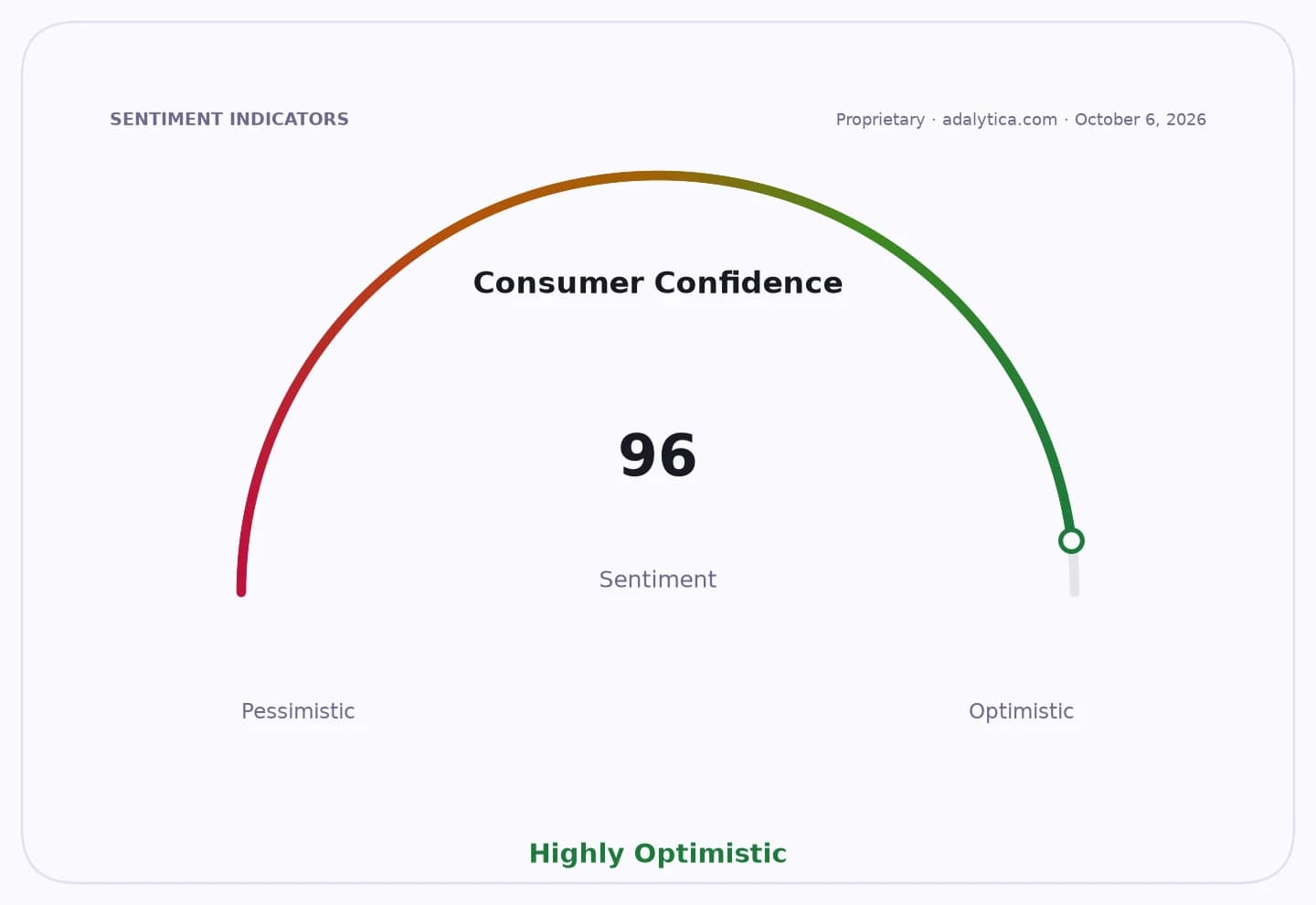
Sentiment Indicators
The split between wholesale and retail tells the story. Domestic passenger vehicle wholesales rose more than 15% from a year earlier, supported by strong demand and dealer inventory replenishment. Two-wheeler wholesales also climbed over 15%, but retail sales of internal combustion engine motorcycles and scooters fell 32% year on year because purchases were pushed into the later festive window. In contrast, electric two-wheeler retail sales surged 48%, underscoring that EV adoption is still gaining share even in a distorted month.
That makes the EV two-wheeler segment one of the clearest relative winners in the data. If the market is looking for where durable volume growth sits inside Indian mobility, it is increasingly in electrified, lower-ticket vehicles that benefit from urban adoption and a widening product mix. The bigger incumbent ICE names may still command scale, but the near-term growth rate is plainly shifting toward EV-led brands and suppliers tied to batteries, electronics and charging ecosystems.
Commercial vehicles also remained resilient, with demand supported by fleet sentiment and GST-related stimulus. Wholesale volumes of medium and heavy commercial vehicles rose more than 15%, while retail goods CV sales increased 1%. VECV reported a 35% jump in volumes, reinforcing the view that freight and infrastructure-linked demand remains intact.
The soft spot was tractors, where domestic sales dropped more than 10% year on year. Kotak blamed weaker Kharif sowing, the festival shift and a tough comparison base, while noting OEM caution around deficient monsoon conditions and rising input costs. That is the part of the market to watch next: if rural demand fails to recover after the festive distortion, the weakness could extend beyond a simple calendar effect.
For investors, the setup argues for patience on headline October numbers and focus on November confirmation. Dealers and manufacturers with exposure to passenger vehicles, two-wheelers and EVs should see the cleanest normalization, while tractor makers face the most obvious near-term risk. The market may be underestimating how much of October’s weakness was deferred, not destroyed.
| Entity | Gains | Losses |
|---|---|---|
| EV two-wheeler makers | ▲Faster retail growth | ▼ICE two-wheelers |
| Passenger vehicle OEMs | ▲Inventory replenishment, solid demand | ▼October retail optics |
| Commercial vehicle makers | ▲Fleet demand, GST support | ▼Tractor makers |
| Auto dealers | ▲Festive sales shift to November | ▼October retail volumes |