U.S. auto dealers are heading toward a flatter 2027 sales environment as still-firm inflation, volatile fuel prices and a cooling consumer backdrop begin to sap the momentum that supported the industry’s recovery.
Auto Dealers Face Flatter U.S. Sales in 2027
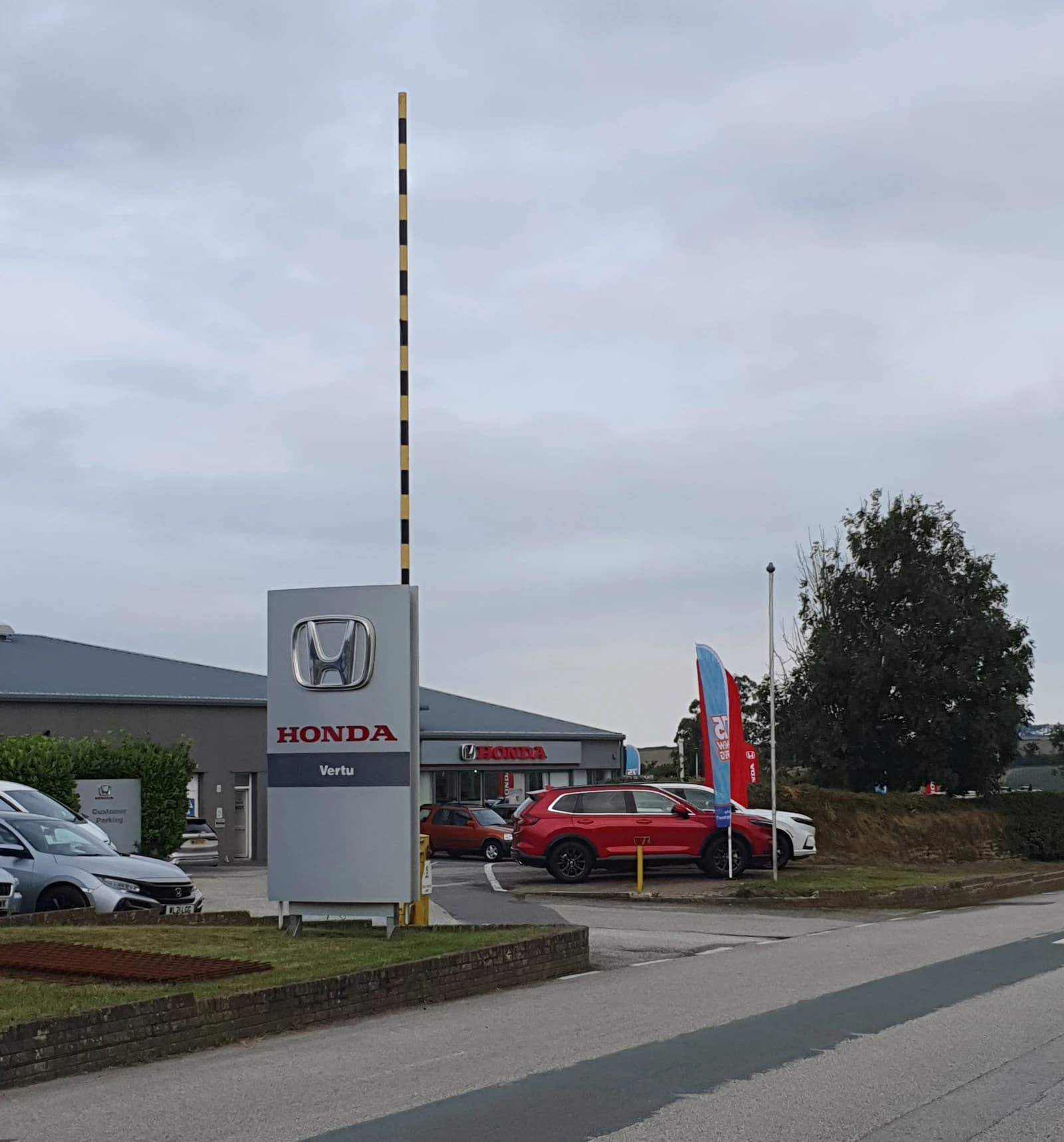
That is the central message from Leadership Strategies’ forecast, which points to a sector that has benefited from resilient household spending but is increasingly vulnerable to a slowdown in discretionary purchases. The implication for investors is straightforward: dealership earnings, which have held up through a mix of price realization, service revenue and disciplined inventory, may lose some of the tailwind that has supported margins since the post-pandemic reset.
Sentiment Indicators
Consumer Spending
The macro picture matters because car buying is one of the most cyclical big-ticket spending decisions in the U.S. The latest consumer-price data show inflation still running well above pre-pandemic norms, with the CPI at 336.298 in September 2026 and only a slight forecasted dip to 335.8181 in October. Oil markets have also been noisy, with West Texas Intermediate moving from $85.23 a barrel in late September to a forecast of $113.952 on Oct. 21, a swing that can quickly affect household budgets and sentiment at the pump.
At the same time, the labor market is no longer providing the same cushion it did earlier in the cycle. Unemployment stood at 4.2% in September and is forecast to edge to 4.09% in October, still historically low but no longer tightening. That combination — sticky prices, fluctuating energy costs and a labor market that is stable rather than accelerating — typically pushes consumers to delay large purchases, especially when auto loan rates remain elevated.
The market reaction has already begun to reflect that tension. Shares of CarGurus, ticker CARS, have been volatile, trading near $10.77 on Oct. 26 after a sharp slide from above $12 earlier in the year. The stock still sits above its 200-day moving average, but the recent trading pattern and a subdued MACD reading suggest investors are not pricing in a clean growth rebound. AutoNation, ticker AN, has been more resilient, closing at $160.20 on Oct. 26, but it too has given back a sizable portion of its earlier summer gains. Penske Automotive Group, ticker PAG, has held up better, trading at $212.09, though the stock’s recent rise reflects investors favoring stronger operators with more diversified earnings streams rather than a broad-sector rerating.
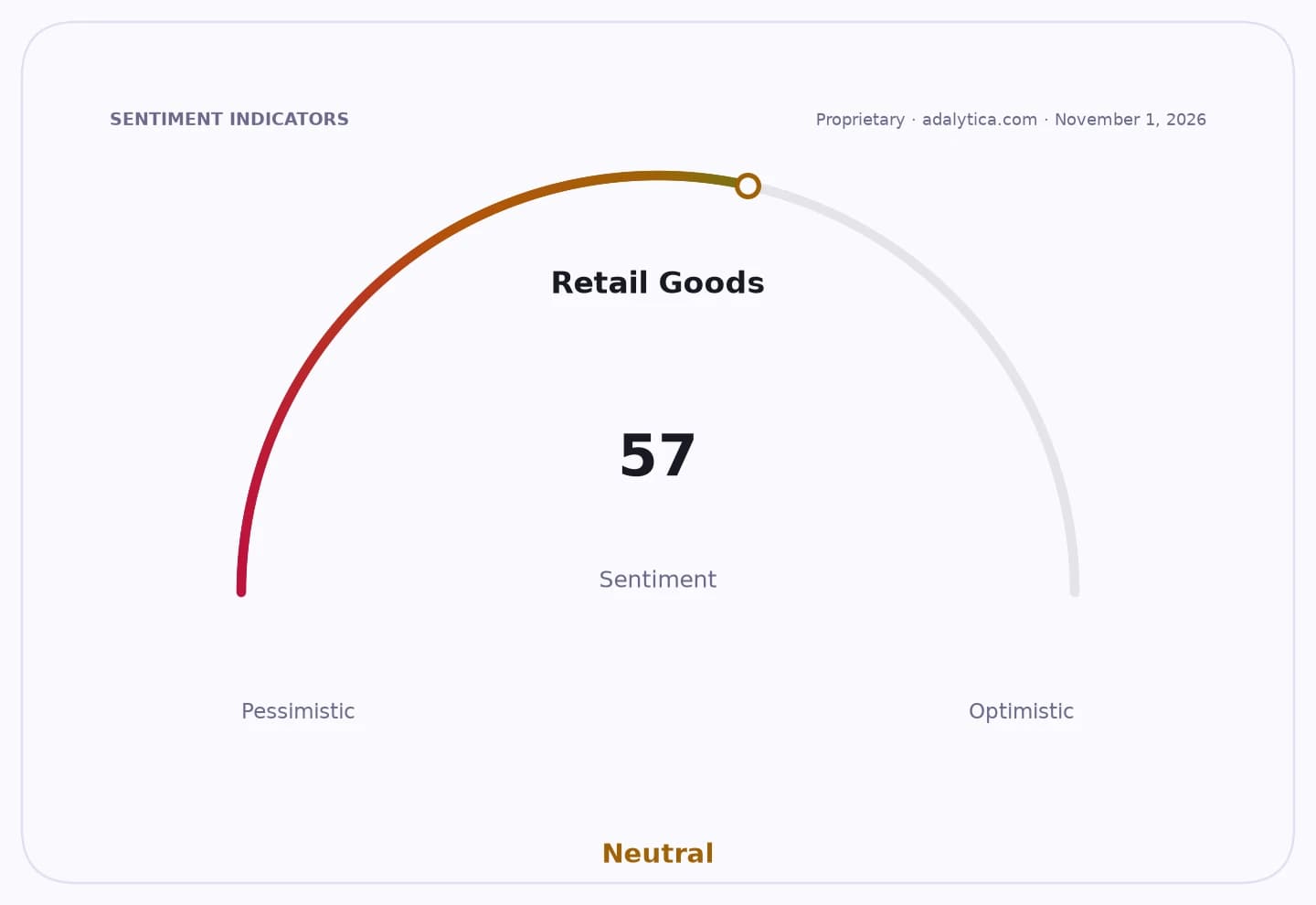
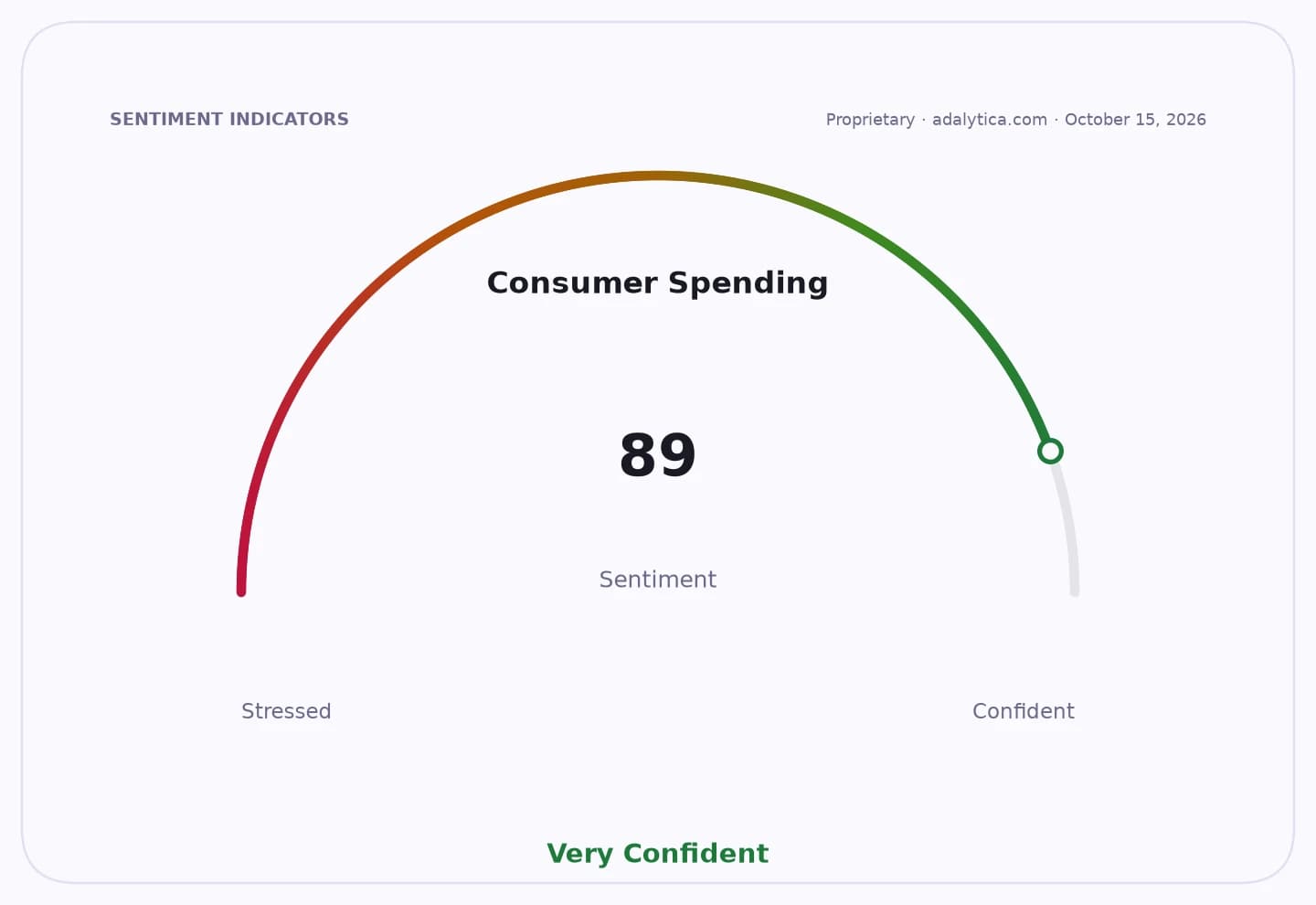
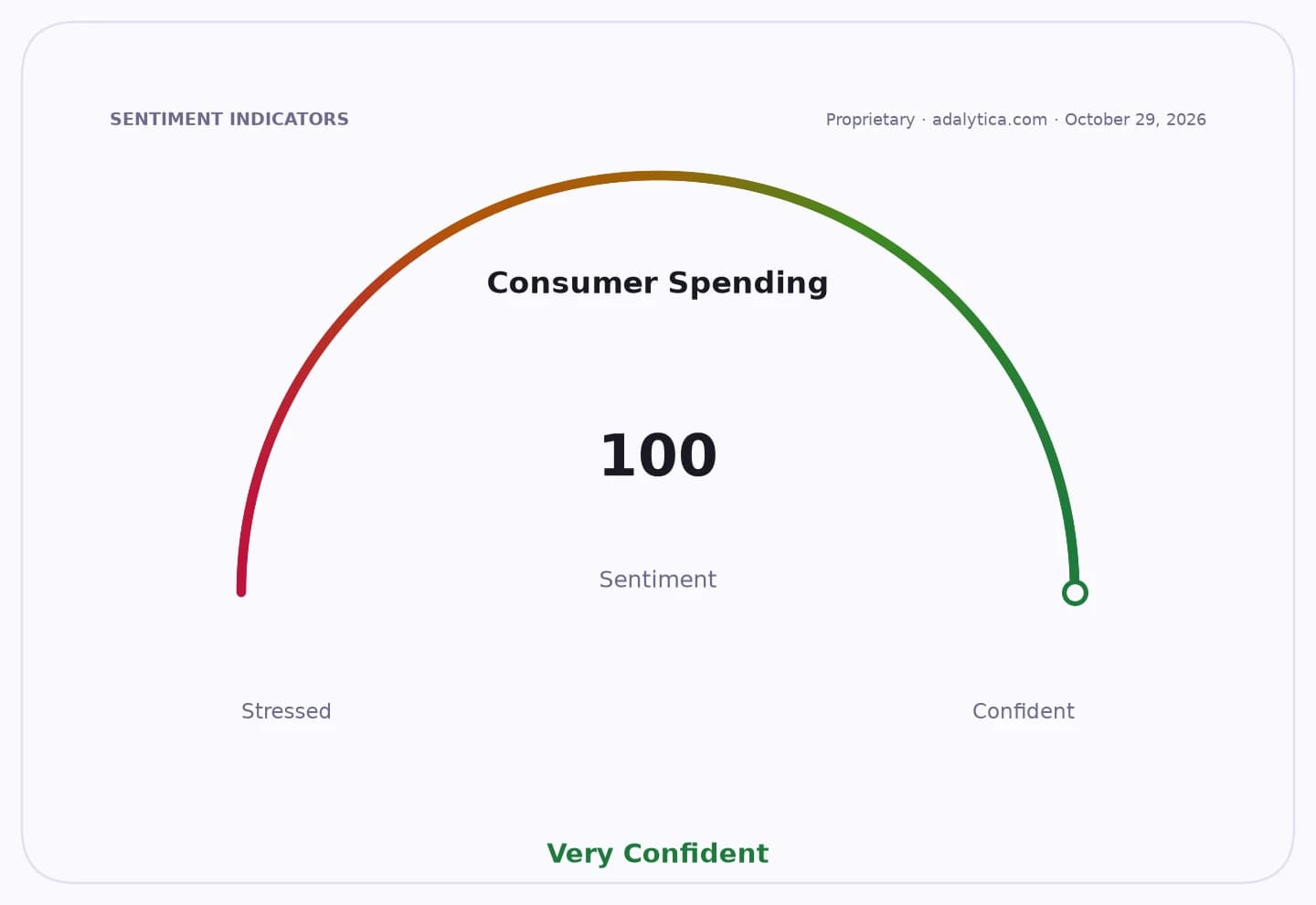
The bull case for dealers is that spending has not cracked yet. Adalytica’s Consumer Spending Sentiment gauge sits at 100, or “Extreme Greed,” while Retail Goods Spending Sentiment has improved to 75, suggesting consumers are still willing to spend even as the pace of growth moderates. Brokerage commentary in recent quarters has also pointed to stronger-than-feared retail activity and healthy holiday demand, which would help dealers extend current trends longer than skeptics expect.
The bear case is that auto retail is one of the first places a spending slowdown shows up. Dealers can cushion the blow with parts and service, used-car turnover and financing, but unit sales flattening in 2027 would pressure the highest-margin parts of the business. For CarGurus, that would likely mean slower dealer advertising demand and less urgency around software spending. For franchised dealers such as AutoNation and Penske, it would mean tougher comparisons, less pricing power and a greater dependence on fixed operations and cost control.
The broader narrative is not a collapse in consumer demand, but a normalization from a stretched post-pandemic period into a more selective spending environment. If inflation stays sticky, oil rises and household budgets tighten, dealer sales can flatten even without a recession. That is why the 2027 forecast matters: it points to a sector that may move from expansion to maintenance mode, forcing investors to focus less on volume growth and more on balance-sheet strength, service mix and capital allocation.
| Entity | Gains | Losses |
|---|---|---|
| Used-car dealers | ▲steadier pricing | ▼lower volume growth |
| Franchised dealers | ▲service revenue | ▼new-car margin pressure |
| CarGurus (CARS) | ▲dealer retention if spending holds | ▼weaker ad spend if sales flatten |
| Consumers | ▲more negotiating power | ▼higher fuel and financing strain |