Honda Vietnam’s October performance underscored a widening split in one of the country’s most important vehicle businesses: motorbike demand is holding up, but car sales have fallen sharply, highlighting how consumer spending, competition and product mix are shaping the local auto market.
Honda Vietnam October Motorbike Sales Rise, Car Sales Fall
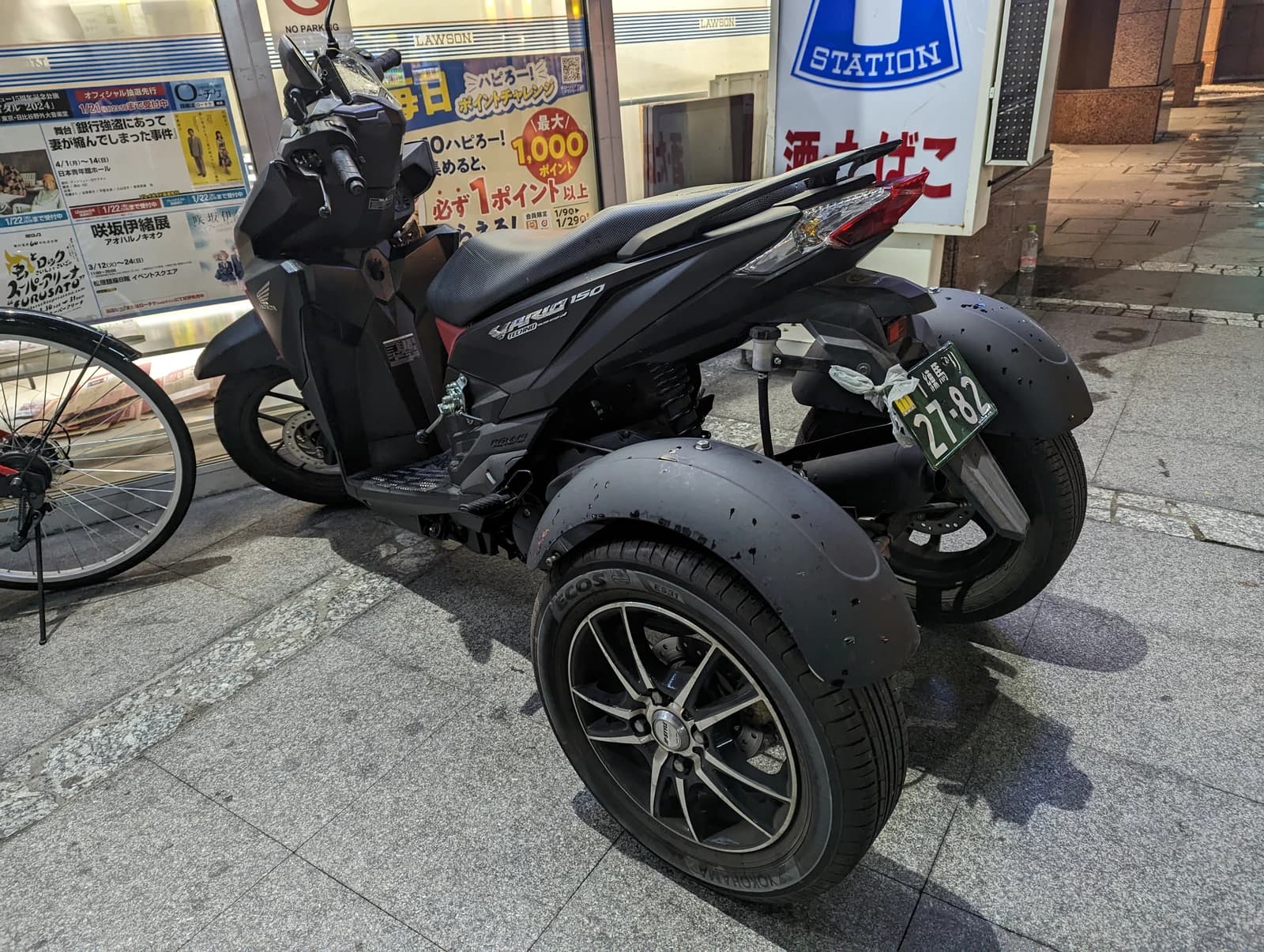
The company said retail sales of motorbikes rose 5.5% from a year earlier to 198,366 units in October, keeping the two-wheeler business firmly as Honda Vietnam’s core earnings engine. Over the first seven months of its fiscal 2027 year, motorbike sales climbed 4.5% to 1.27 million units, while exports added 20,468 units in the month, giving the division a steadier base than the passenger-car arm.
The car business, by contrast, remains a drag. Honda Vietnam sold 1,657 cars in October, down 50% from the same month last year, with cumulative seven-month sales down 20.4% to 11,991 units. That disparity matters because Honda’s Vietnamese business is still heavily exposed to the mass-market mobility segment, where motorbikes benefit from affordability and broad replacement demand, while cars face more intense competition and a weaker conversion rate as households stretch spending.
For investors, the message is less about October alone than about the balance of Honda’s regional earnings mix. A resilient motorbike franchise helps support volumes and cash generation in Vietnam, but a collapsing car line limits upside and raises questions about how much growth Honda can extract from a market where two-wheelers remain dominant but four-wheeler expansion is uneven.
The stock-market reaction around Honda-related names also reflects that split. Honda Motor shares have been firming above their 50-day and 200-day moving averages, with momentum indicators showing the market has been rewarding the company’s broader resilience. But the Vietnamese car decline is a reminder that unit growth in emerging markets can be highly segmented, and investors will likely watch whether Honda can stabilize its auto lineup without relying solely on the motorbike business.
The broader narrative is that Vietnam’s consumer mobility market is not moving in one direction. Demand for low-cost transport still supports motorbikes, while car sales remain more vulnerable to affordability constraints and competitive pressures. If that pattern persists, Honda Vietnam’s earnings mix will continue to lean on scooters and motorcycles, with the auto unit likely to remain the weaker link unless conditions improve.
| Entity | Gains | Losses |
|---|---|---|
| Honda Vietnam motorbike unit | ▲Volume growth, steadier revenue | ▼— |
| Honda Vietnam car unit | ▲— | ▼Halved October sales |
| Honda Motor | ▲Support from Vietnam two-wheelers | ▼Weaker auto contribution |
| Vietnamese consumers | ▲Better access to affordable mobility | ▼Higher-cost car demand stays weak |