Vietnam is trying to turn a familiar export challenge into a long-term growth strategy: not just sending more goods overseas, but teaching companies how to keep customers once they get there.
Vietnam Go Global Program Targets Export Brands
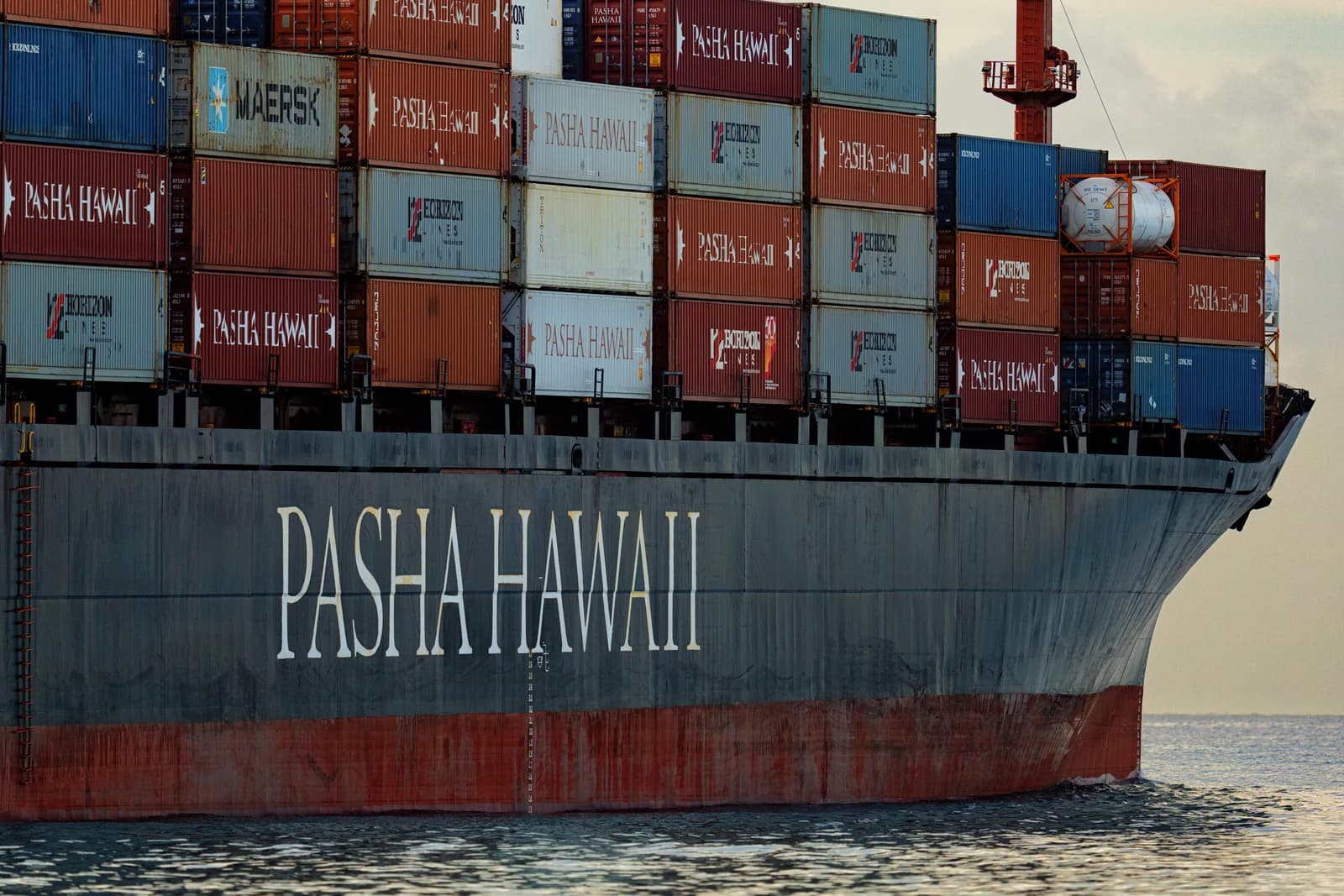
That matters because in global trade, getting the first order is only the beginning. The harder test is whether a Vietnamese brand can survive on quality, pricing, distribution and trust against local rivals and better-known multinationals. Hanoi’s new Go Global program is aimed squarely at that problem, and it could shape how much of the value in Vietnam’s export boom stays with domestic companies instead of being captured by foreign distributors and brands.
Sentiment Indicators
At an export forum in Hanoi, the Ministry of Industry and Trade said the next phase for Vietnamese companies is not simply higher shipments, but better market fit: understanding local consumers, improving product quality, building brands and controlling more of the distribution chain. The message is straightforward. Companies that want durable overseas sales need to learn the market before they try to scale it.
That is important economically because Vietnam’s growth model has increasingly depended on trade, manufacturing and foreign markets. If local firms can move up from contract manufacturing to branded, higher-margin sales, they can keep more profits at home, create stickier jobs and build more resilient revenue streams. The country also benefits when companies expand into services, digital commerce and overseas investment, rather than relying only on low-cost exports.
The government is framing this as a multi-year national push. By 2030, the program aims to train 10,000 business participants, advise 1,000 companies on international expansion and support 100 firms investing abroad, including 30 through mergers and acquisitions. Officials are also building a network of partners to provide market intelligence, legal guidance, finance, technology and workforce support.
For investors, the significance is less about one policy announcement and more about the shape of future winners. Companies that can use the program to build brands, protect intellectual property and expand distribution could become more attractive long-term holdings than firms that only compete on price. In other words, the most valuable export story is no longer just volume, but control.
The examples cited by officials underline that point. Haier and Toyota were presented as reminders that success abroad comes from adapting products to local demand, not assuming one design fits every market. Vietnam’s own players, including Viettel and FPT, were held up as proof that local companies can build meaningful overseas positions when they combine technology, execution and patience.
There is also a broader policy signal here. Hanoi wants companies to think in stages: test markets cheaply, establish a foothold, then expand through investment or joint ventures. That approach reduces the risk that smaller firms burn capital chasing unfamiliar markets too fast. It also suggests the state sees overseas growth as a process of capability-building, not a quick export campaign.
For long-term investors, that is a constructive setup. A stronger Vietnamese corporate sector with better brands, deeper supply chains and overseas assets could eventually lift margins and reduce dependence on a single domestic market. The risk, of course, is that many smaller firms will struggle with financing, product standards and market access, and some will never get beyond the trial phase.
Still, the direction is clear: the next chapter of Vietnam’s globalization effort is about staying power, not just market entry. For investors looking at exporters, manufacturers and digital-services names tied to the country’s international push, this is worth watching closely.
| Entity | Gains | Losses |
|---|---|---|
| Vietnamese exporters | ▲Better branding, wider market access | ▼Higher compliance costs |
| Foreign competitors | ▲Larger supplier base | ▼More price and quality competition |
| Domestic firms that scale globally | ▲Higher margins, lasting market share | ▼Execution risk |
| Small and midsize companies | ▲Training and advisory support | ▼Difficulty financing expansion |