Lucid Group’s turnaround now hinges less on building attention-grabbing EVs and more on fixing the post-sale experience that decides whether customers come back.
Lucid Group boosts service to support turnaround
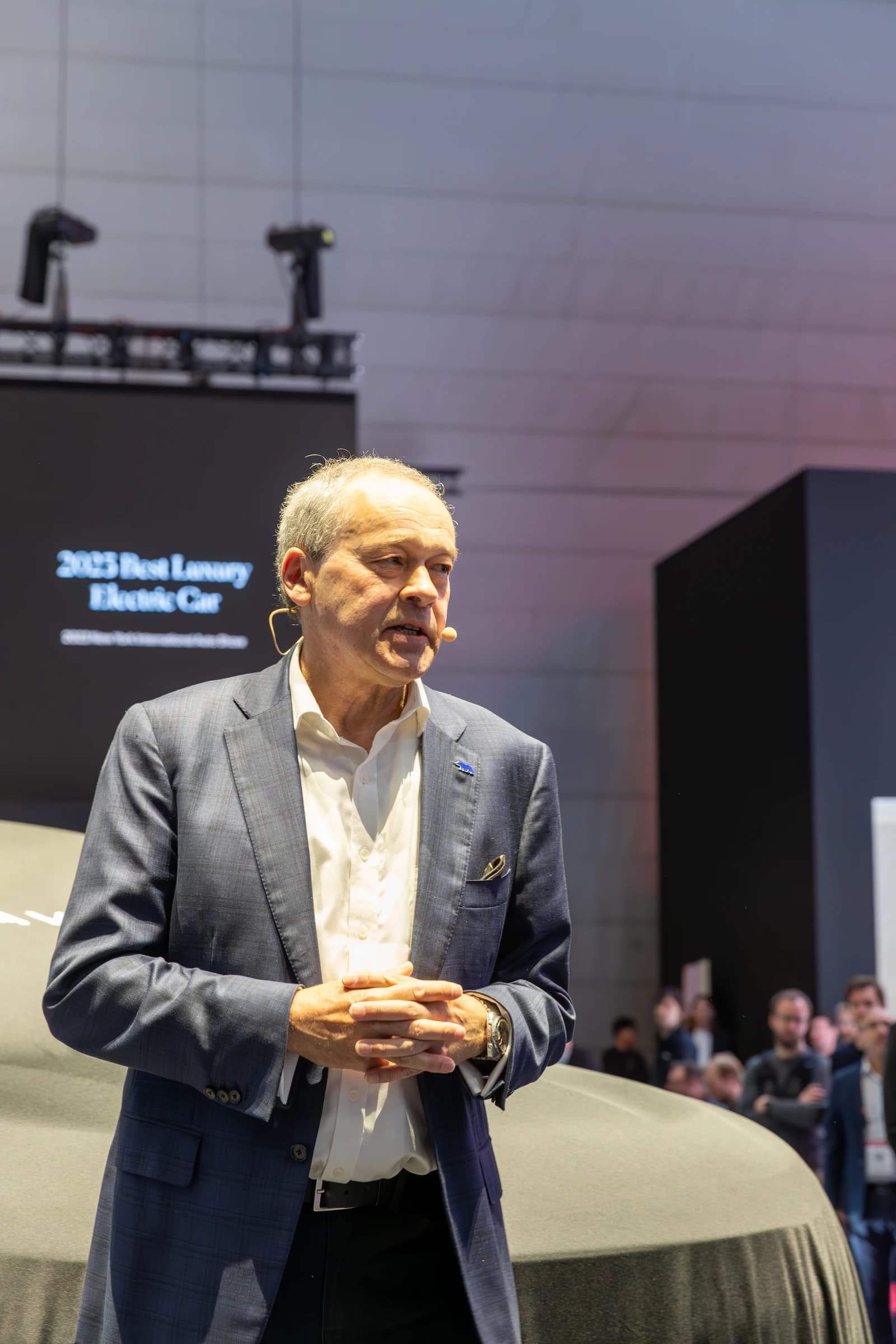
That is the real investment case behind the company’s latest push to tighten spending while expanding service. Lucid has said it sees $1.4 billion in cash-flow savings opportunities, but management is also moving to add technicians, mobile service capacity and customer-support staff after conceding it underinvested in service and responded too slowly to quality issues. For a cash-burning automaker, that is not a contradiction. It is the balancing act that will determine whether the brand can convert engineering credibility into durable demand.
Sentiment Indicators
The numbers matter because service is not a side issue in a premium EV business; it is the product after the sale. Lucid said it plans to lift technicians and dedicated support staff by 35% by year-end and expand mobile service capacity by more than 20%, with the goal of cutting wait times by more than 30%. Those are only targets, but they are the first concrete markers investors can track as the company tries to rebuild trust with owners who may otherwise become one-and-done buyers.
The stakes are especially high because Lucid’s capital discipline still has to coexist with a heavy cash-recovery plan. The company is targeting roughly $1.4 billion in cash-flow improvements in 2026, including about $600 million to $800 million from inventory reductions. That makes the service push easy to question on the surface: why spend more while trying to spend less? Because the wrong place to cut in a turnaround is the part that protects pricing power, repeat purchases and brand loyalty.
Rivian’s experience shows the playbook. The rival EV maker said in February that scheduling wait times had fallen 35% during 2025, after it added and trained more than 1,000 service specialists and planned a 50% increase in its mobile service van fleet in 2026. Rivian’s model is not a perfect comparison, but it reinforces a broader truth in EVs: ownership friction can be just as important as range, acceleration or software features when customers decide which brand deserves another shot.
Investors should read this as an operational inflection point, not a marketing one. Lucid already has vehicles that attract attention; what it lacks is a service network that makes ownership feel effortless. If the company can reduce wait times, improve parts availability and fix quality issues faster, it improves the odds that its next models — including the delayed Cosmos platform — land with a stronger reputation and less customer hesitation.
The stock still trades like a high-risk turnaround, not a solved problem, and it should. But that is exactly why the service buildout matters. The market tends to focus on production, deliveries and cash burn. I believe the bigger upside comes from the less glamorous variable: whether Lucid can turn a brilliant EV into a brand people trust after the sale. If it does, the valuation setup changes fast.
| Entity | Gains | Losses |
|---|---|---|
| Lucid | ▲Better retention and trust | ▼Near-term cash discipline |
| Customers | ▲Faster service and support | ▼Fewer cost cuts elsewhere |
| Rivian | ▲Validation of service-heavy EV strategy | ▼Little direct downside |
| Bears/shorts | ▲Less collapse risk in the turnaround | ▼Higher odds of brand recovery |