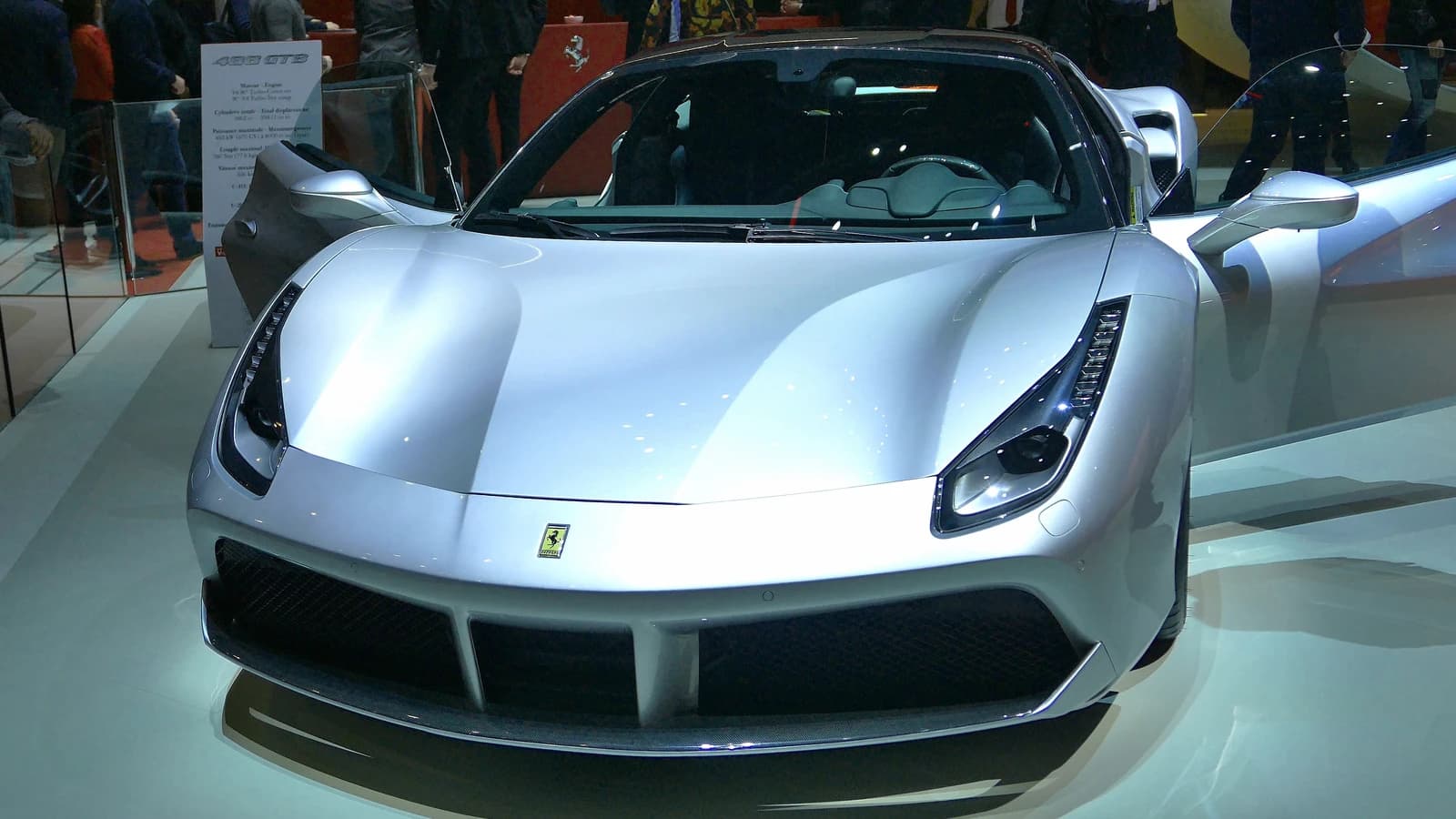
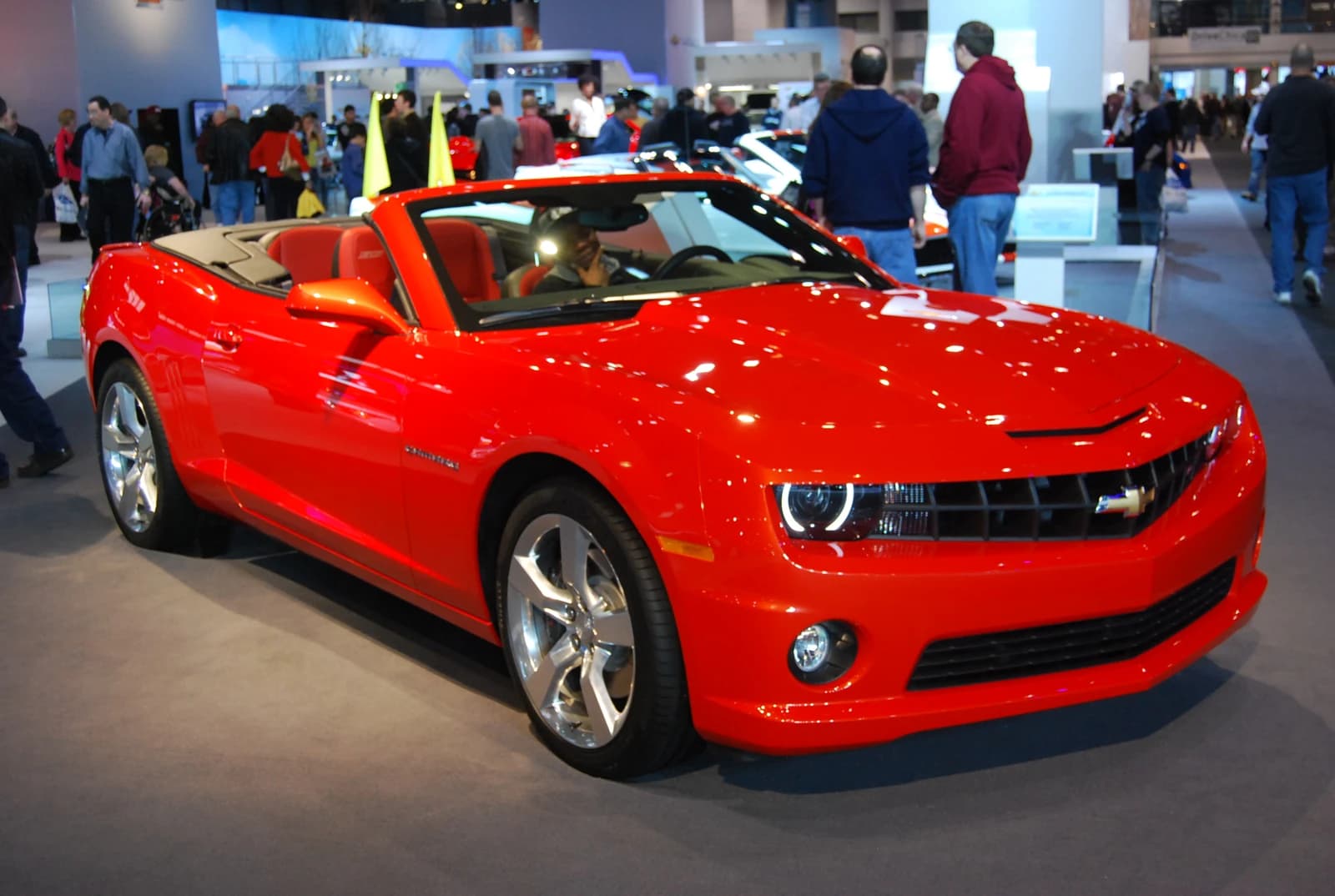
Aston Martin’s decision to lower prices on its James Bond-branded cars underscores a bigger shift in the luxury auto market: even prestige buyers are getting choosier as borrowing costs, inflation and a softer economic backdrop squeeze discretionary spending.
Aston Martin cuts James Bond car prices
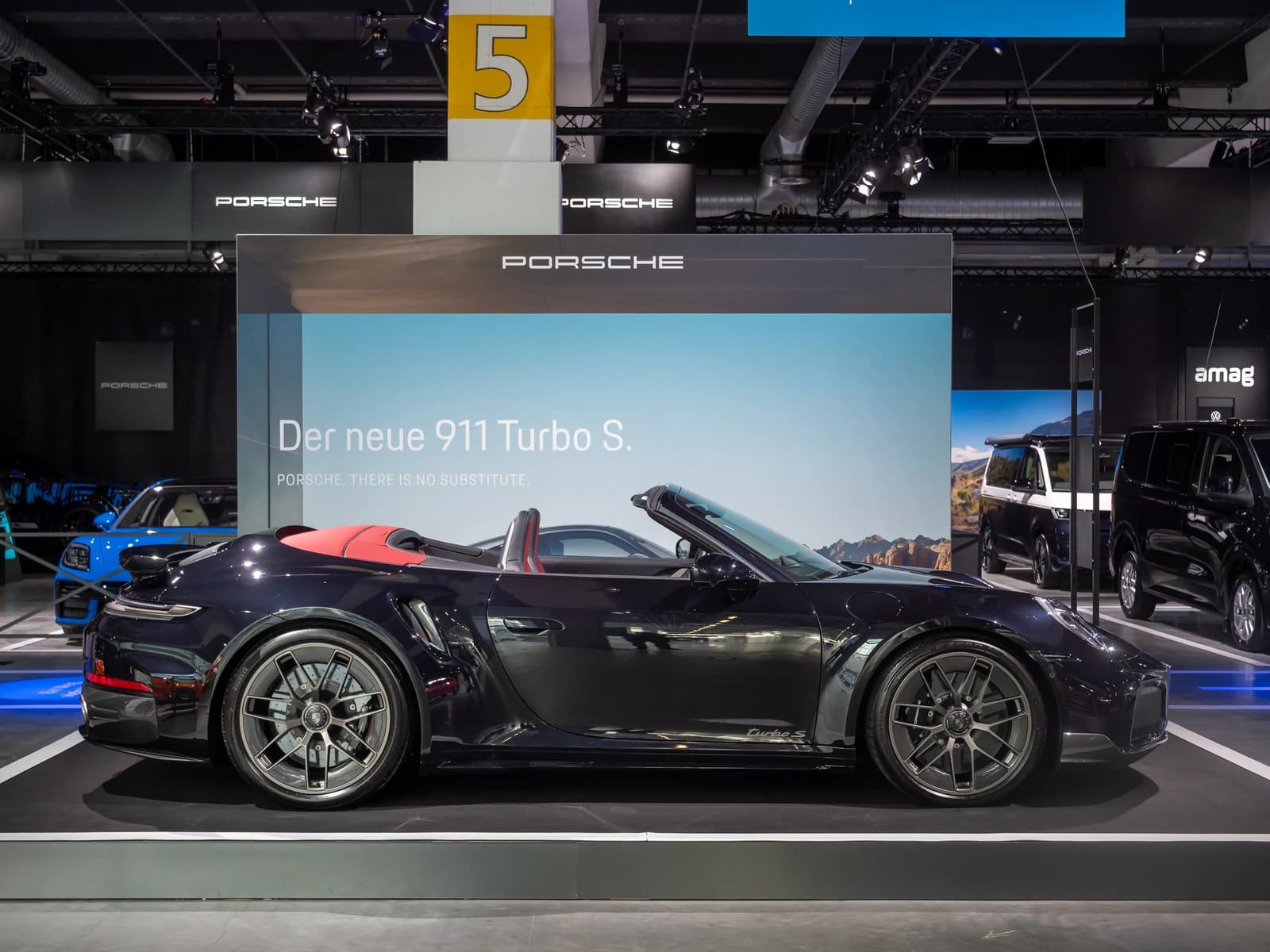
That matters because the ultra-luxury segment has long been able to price on scarcity and image alone. When a brand tied to exclusivity starts competing more directly on affordability, it signals that demand is no longer immune to the same forces reshaping the wider car market. For investors, that changes the earnings mix: volume becomes more important than halo pricing, and discounts can protect showroom traffic at the expense of margins.
Sentiment Indicators
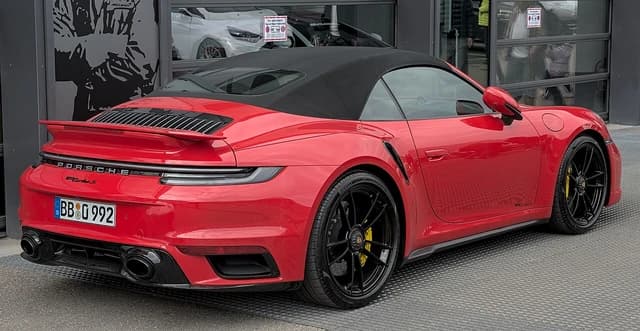
The move also fits a broader pattern in the global auto industry, where manufacturers are trying to defend sales with incentives while consumers remain value-conscious. In markets such as Pakistan, where car pricing spans from a Toyota Aqua at PKR 4.5 million to a Land Cruiser at PKR 156.8 million, the spread highlights just how sensitive buyers are to price at every level of the market. That dynamic is not limited to mass-market brands. It is now reaching premium nameplates as well.
The investment implication is straightforward: brands with stronger financing arms, wider model ranges and more pricing power are better positioned than niche luxury makers that rely on emotional purchasing. Auto retailers and distributors can benefit from higher transaction volume, but pure luxury plays may find it harder to hold margins if they need to discount to move inventory. On the technical side, shares of Penske Automotive Group and AutoNation have stayed well above their 200-day moving averages, but the recent pullbacks in both names show investors are already pricing in a less forgiving consumer environment.
At the macro level, the backdrop is mixed. U.S. inflation has eased from its peak, unemployment remains low at 4.2%, and that should keep high-end consumption from breaking outright. But the price cuts tell you where the market is heading: not toward collapse, but toward normalization. In that setup, the best opportunities are likely in the companies that can sell luxury, finance it, and service it, rather than those relying on brand cachet alone.
For investors, the takeaway is to favor the toll collectors over the trophy brands. In autos, pricing power is no longer guaranteed — and that makes selective exposure to dealers, financiers and parts suppliers the more asymmetric play.
| Entity | Gains | Losses |
|---|---|---|
| Aston Martin | ▲Higher showroom traffic | ▼Margin compression |
| Luxury buyers | ▲Lower entry prices | ▼Scarcity premium fades |
| Auto retailers | ▲More unit sales | ▼Tighter pricing discipline |
| Pure luxury automakers | ▲— | ▼Weaker pricing power |