Ferrari’s share price has pulled back from its August peak as hotter U.S. inflation and a firmer dollar triggered a broader selloff in risk assets, but the long-term investment case remains intact because Ferrari is still trading like a luxury monopoly, not a cyclical automaker.
Ferrari Shares Pull Back After Inflation Selloff
That’s the core of the “Fiat 500 against a Ferrari” story: in a market suddenly obsessed with macro headwinds, Ferrari remains the premium name that investors want to own when growth is scarce and pricing power matters. The stock closed at $397.24 on Oct. 21, down from a 2026 high of $436.54 on Aug. 21, yet it still sits well above its 200-day moving average of $366.84, underscoring that this is a reset, not a breakdown.
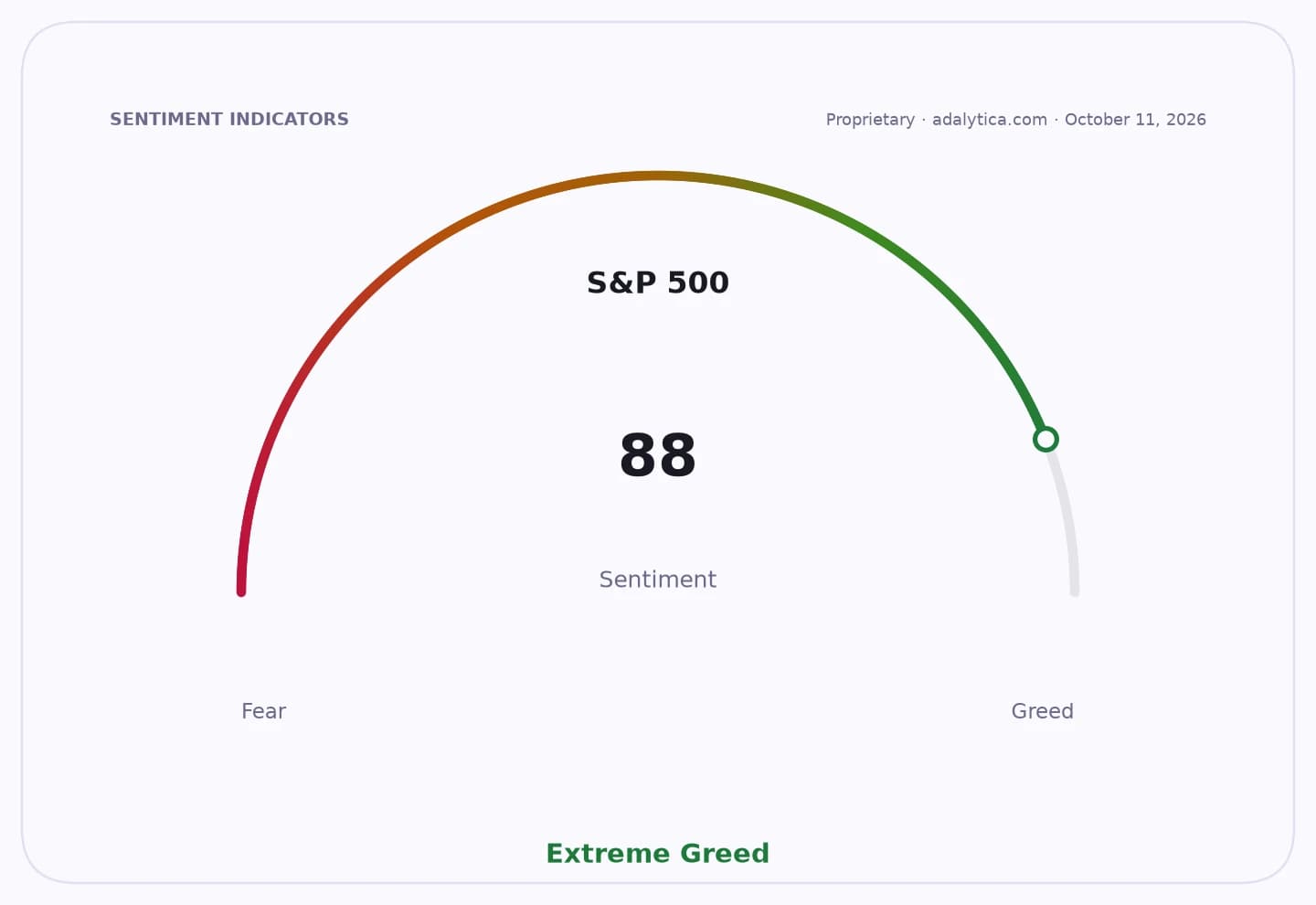
Sentiment IndicatorsⓘProprietary · adalytica.com · October 22, 2026
This is a snapshot — live sentiment, awareness and momentum for 130+ markets update continuously in the dashboard.Open AlphaPulse
The broader market backdrop explains the wobble. Stronger-than-expected inflation data has reignited fears that central banks may need to keep rates higher for longer, pressuring U.S. equities and strengthening the dollar. That matters for Ferrari because luxury demand is sensitive to wealth effects, financing conditions and currency swings, even if the brand itself has exceptional pricing power. In other words, the macro tape can hit the shares even when the business model remains elite.
Investors should pay attention to the contrast with the rest of the market. The S&P 500 is flashing “Extreme Fear” in Adalytica’s trade signals, while the dollar has regained neutral footing after a sharp 30-day drop. That kind of cross-asset turbulence tends to punish high-multiple names first, which is why Ferrari’s recent drift lower should be viewed through a valuation lens as much as an earnings lens.
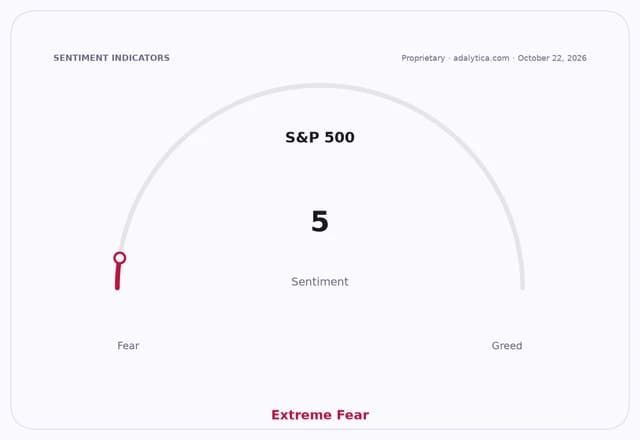
Technically, Ferrari’s setup is still constructive. The stock is holding above the 200-day line and just below the 50-day moving average of $406.51, with RSI readings in the low 60s suggesting momentum has cooled without turning damaged. For long-term investors, that is often the zone where the market pauses before deciding whether a premium franchise deserves an even higher premium.
The investment implication is straightforward: Ferrari is not a bargain-bin auto trade, and it should not be treated like one. The opportunity is in buying a scarce global luxury asset during a macro scare, especially if inflation keeps making the rest of the market look more fragile. If risk appetite stabilizes, Ferrari can reassert itself as one of the cleanest ways to own global affluent consumption and brand scarcity.
For investors looking for asymmetric upside, the message is to stay with the strongest balance sheets and the strongest brands. Ferrari remains one of the few automakers that can absorb macro noise and still command a growth multiple. The dip is the opportunity.
| Entity | Gains | Losses |
|---|---|---|
| Ferrari shareholders | ▲Long-term luxury premium | ▼Short-term macro volatility |
| Value/cyclical auto names | ▲Relative attention | ▼Brand-dominance premium |
| Dollar bulls | ▲Stronger currency backdrop | ▼Ferrari export translation |
| Broad equity market | ▲None | ▼Higher-rate, inflation-sensitive stocks |