Upper-middle-class car buyers in Indonesia are no longer shopping just for a first car — they are increasingly buying a second vehicle, and that is opening the door for electric and hybrid models.
Indonesia Upper-Middle Buyers Shift to Second Cars
That is the key takeaway from Populix’s new study of 800 upper-middle consumers in Jakarta, which shows 60% of prospective buyers in the next 12 months want an additional vehicle and are budgeting an average of Rp493 million, or about $30,000 per unit. For automakers, that is a crucial signal: the market is not being driven only by necessity, but by replacement, lifestyle and technology upgrades, which tend to favor higher-margin models and faster product cycles.
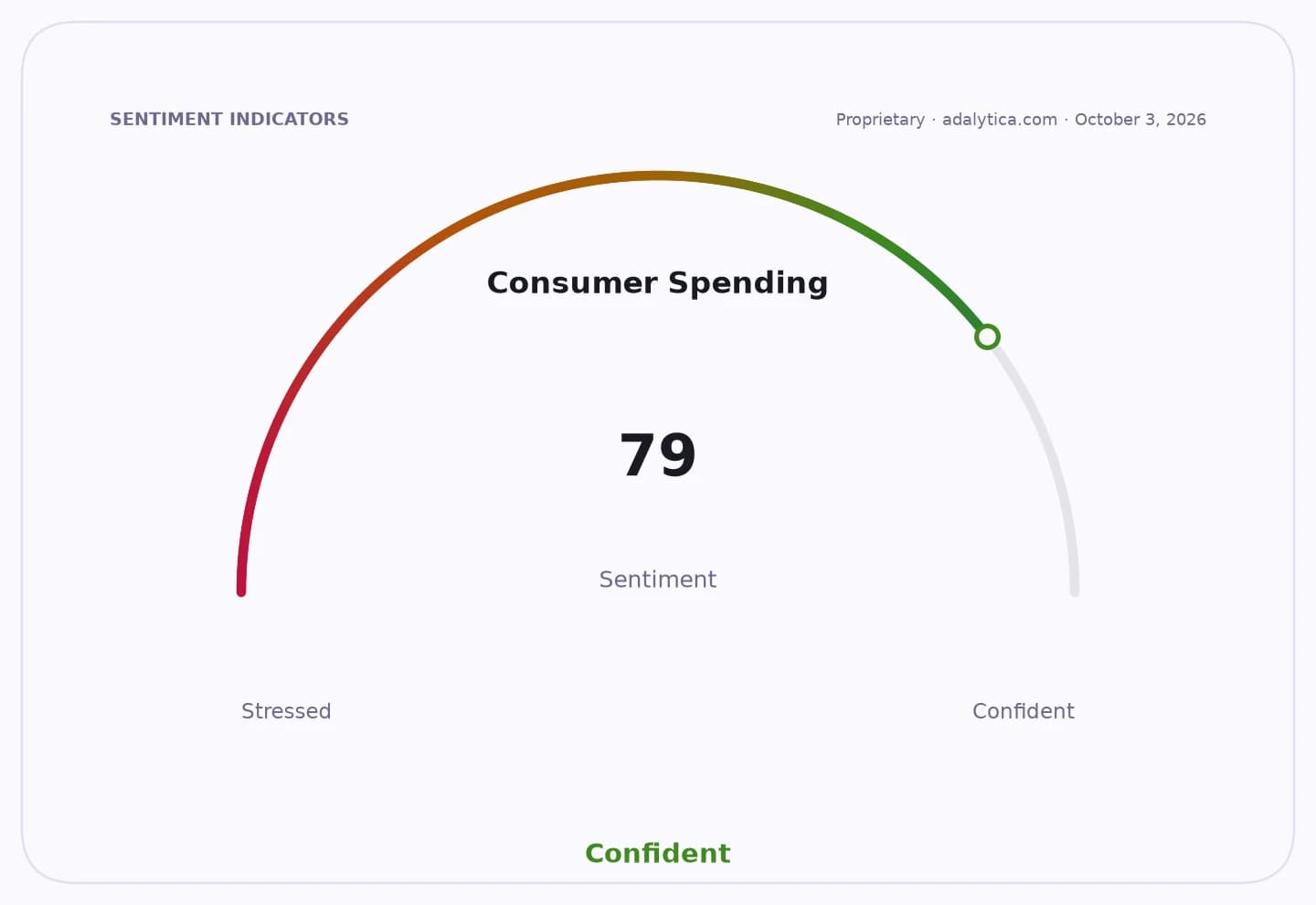
Sentiment Indicators
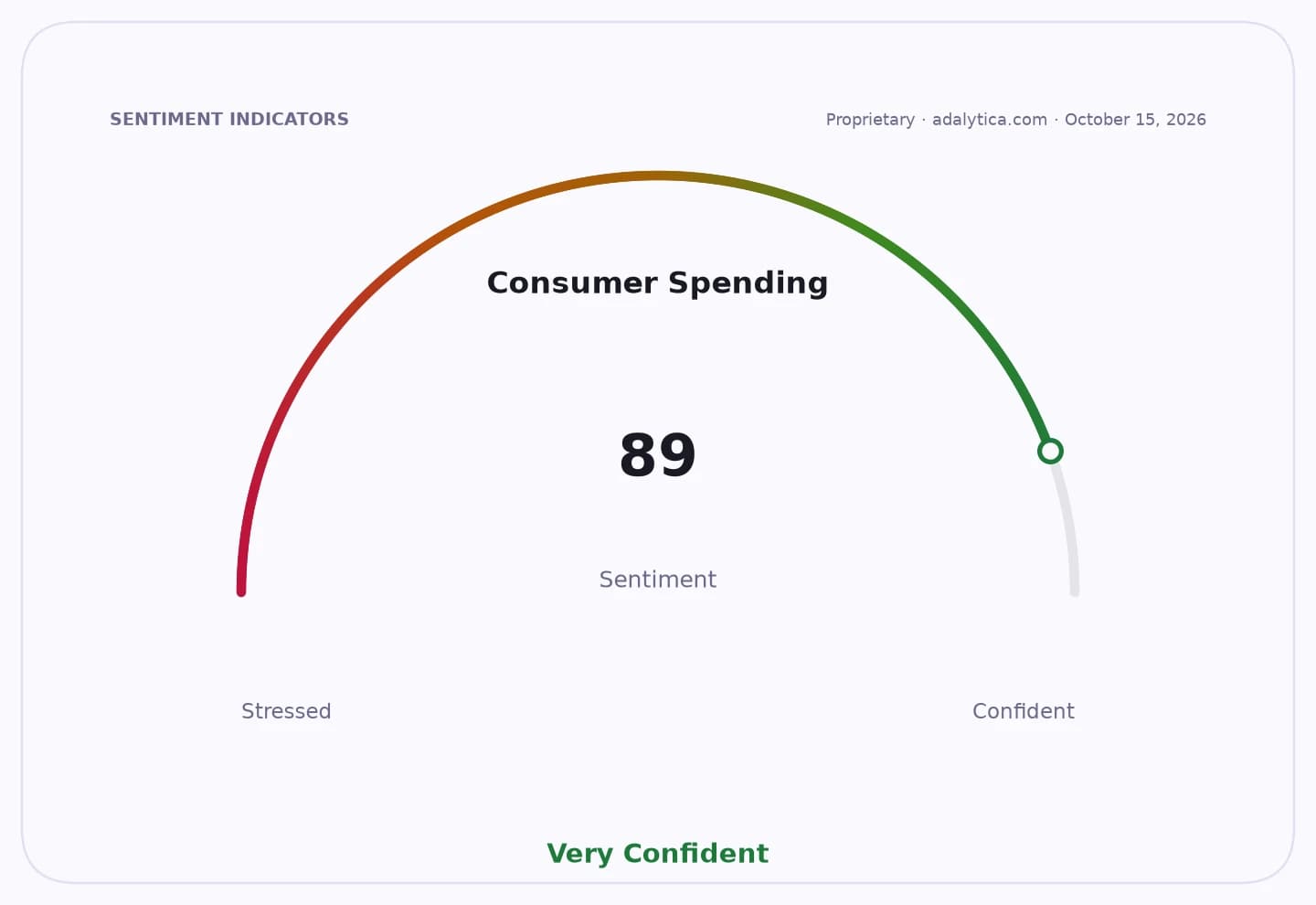
Consumer Spending
The research lands at a time when Indonesia’s auto market is already recovering. Gaikindo said wholesale car sales rose 21% in the January-to-September 2026 period, while retail sales climbed 15.4% from a year earlier. That kind of growth matters because it suggests the industry has regained some momentum after a softer patch, giving brands more room to push premium trims, SUVs and new-energy vehicles into a customer base that is proving less price-sensitive than mass-market buyers.
What makes this more important for investors is the change in consumer perception around electric vehicles. Populix found one in five respondents is interested in buying an EV or hybrid, with the strongest appetite among younger millennials and Gen Z buyers aged 25 to 35. Even more telling, about a quarter said they are very interested in an EV, and worries about charging infrastructure have eased materially compared with last year’s survey. That is the kind of shift that can accelerate adoption faster than price alone.
Consumer Spending
The market is still not fully electric. Conventional cars remain dominant, and MPVs and SUVs continue to lead the passenger market. But the direction of travel is clear: technology, performance, futuristic design and global brand reputation are now major purchase factors. That plays directly into the strengths of brands such as BYD, Hyundai and Wuling, which were named by respondents as especially attractive EV choices. Toyota, Hyundai and Daihatsu scored highest on satisfaction, helped by reliability, spare parts availability and dealer service, underscoring that Indonesian buyers still prize after-sales support as much as the badge on the hood.
For investors, the investment case is not just about which automaker sells the most units. It is about who captures the upgrade cycle. Upper-middle buyers with roughly Rp493 million to spend are the sweet spot for profitable electrified models, SUV platforms, connected-car features and financing-linked demand. That creates a potentially durable tailwind for EV leaders with scale and for traditional manufacturers that can defend share with hybrid offerings and strong dealer networks.
The broader implication is that Indonesia’s auto story is becoming a two-track market: mainstream buyers still anchor volume, but affluent urban consumers are increasingly shaping profitability and brand perception. If charging anxiety keeps fading and EV model availability expands, the next leg of growth could come from higher-value electric and hybrid sales rather than simply more internal-combustion units.
| Entity | Gains | Losses |
|---|---|---|
| BYD, Hyundai, Wuling | ▲EV demand lift | ▼ICE-only rivals |
| Toyota, Daihatsu | ▲Service-led loyalty | ▼Weak dealer networks |
| Upper-middle buyers | ▲More choice, newer tech | ▼Higher upfront spend |
| Charging/infrastructure ecosystem | ▲Easier adoption | ▼Range-anxiety sellers |