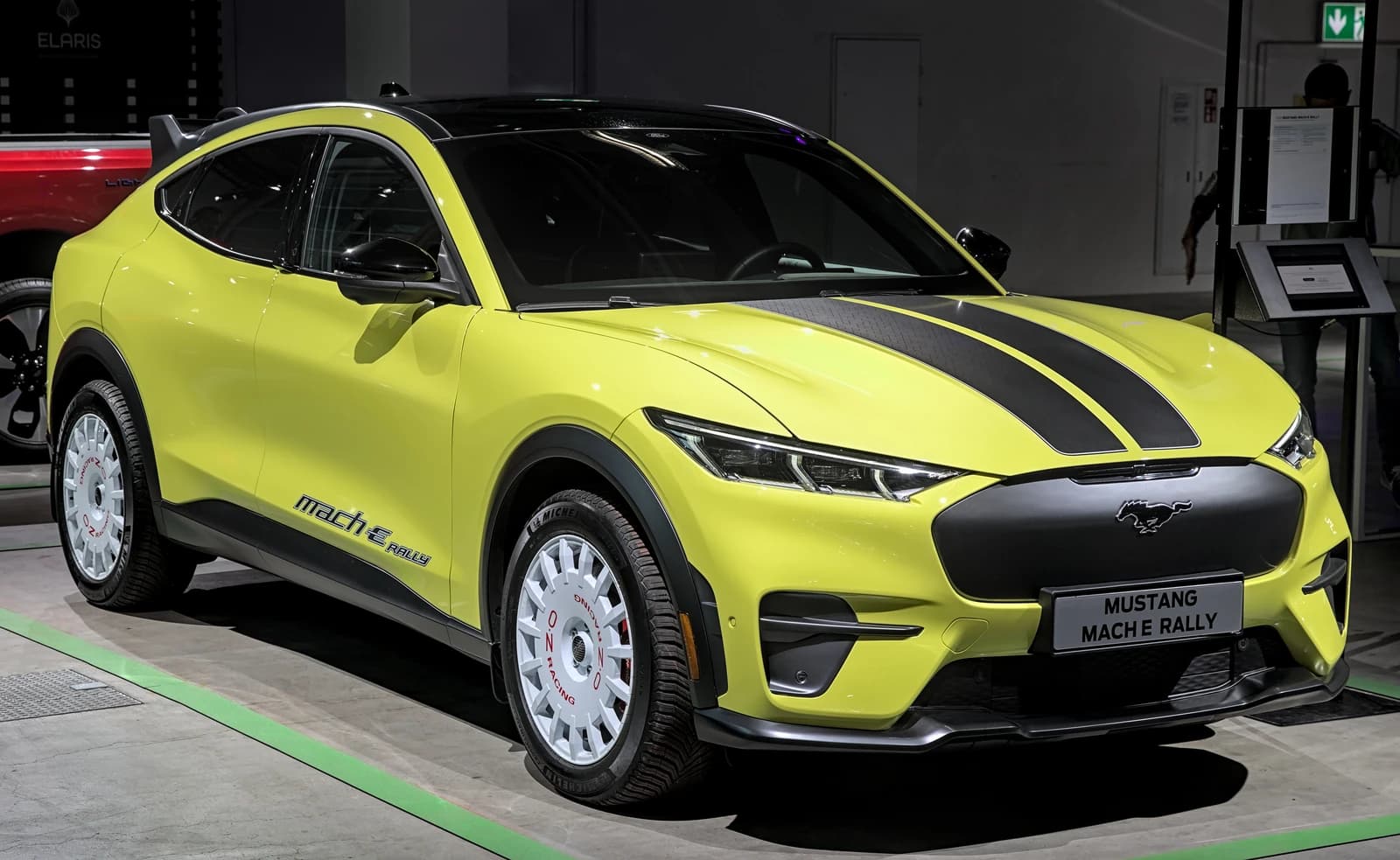
Ford is moving to broaden its electric lineup with a new off-road-focused EV aimed at buyers who want more than a city commuter, a push that matters because the company is still trying to turn its EV business from a drag on profits into a credible growth engine.
Ford plans off-road EV amid Model e losses
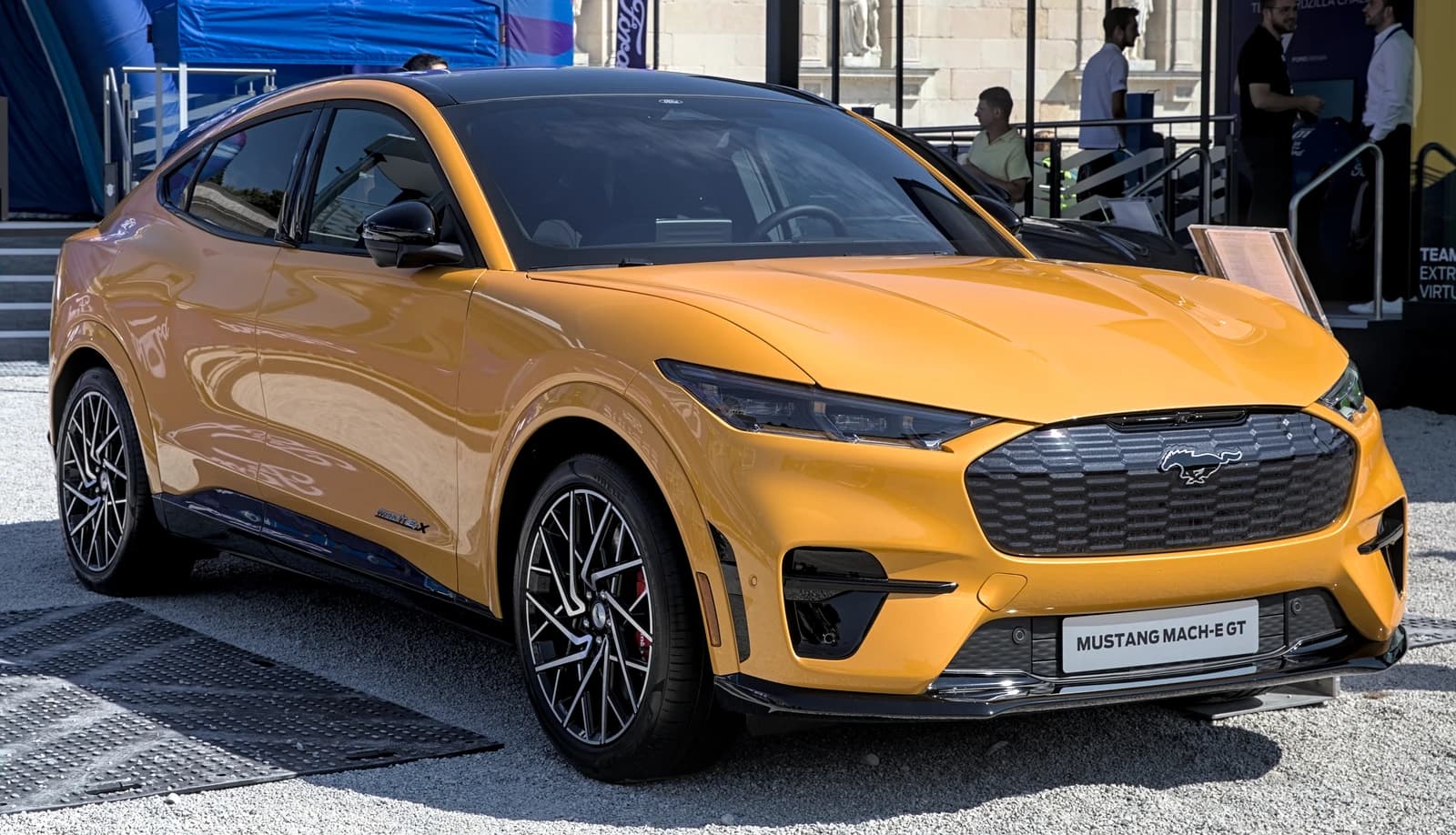
The new model comes as Ford’s EV unit remains under pressure even after improving losses. In its latest quarterly filing, Ford said Model e posted a third-quarter EBIT loss of $1.058 billion, though that was $352 million better than a year earlier, underscoring how much work remains before electric vehicles can support margins rather than consume them.
Sentiment Indicators
That is why the off-road angle matters economically. Ford is trying to target a higher-value niche in the EV market, where utility, range and brand identity can command better pricing than standard mass-market crossovers. The move also suggests the company is still willing to back product development in segments where it sees demand, even after cutting and rationalizing parts of its EV roadmap.
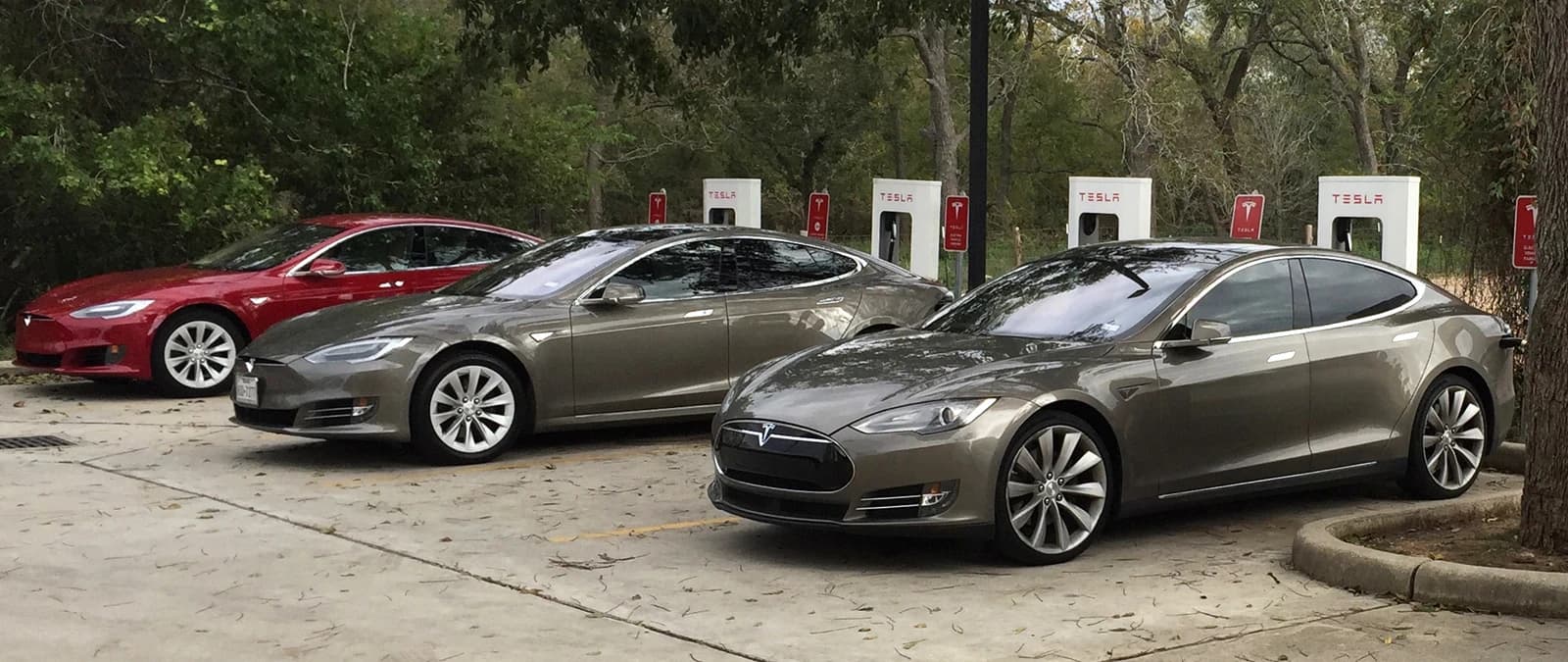
Investors are watching Ford’s EV strategy closely because the company has been pruning costly projects while trying to keep pace with Tesla and a broader wave of electrified SUVs. Tesla shares were last around $402.49, while Ford finished at $12.21, with Ford’s stock trading below its 200-day moving average, reflecting skepticism about how quickly the automaker can translate new EV launches into durable earnings power.
The timing also comes against a tougher competitive backdrop. Mercedes-Benz has just unveiled the AMG GT SUV, a high-performance electric model due in 2028, showing that legacy automakers are still leaning into premium EV offerings even as demand has become more uneven and price competition remains intense. For Ford, the question is whether a rugged, adventure-oriented EV can win buyers without adding to the losses that have weighed on the stock.
Ford’s shares may get a short-term boost if the new vehicle sharpens the company’s EV narrative, but the bigger test will be whether it helps narrow Model e losses and support better pricing power in a crowded electric SUV market. The next catalyst is Ford’s execution on launch timing, production costs and whether the new model can generate enough demand to justify the investment.
| Entity | Gains | Losses |
|---|---|---|
| Ford | ▲stronger EV lineup | ▼added launch risk |
| Tesla | ▲market share lead | ▼more niche competition |
| Mercedes-Benz | ▲premium EV momentum | ▼tougher EV rivalry |
| Ford shareholders | ▲product optionality | ▼margin pressure |