BMW’s first all-electric X5 is arriving as a high-end, long-range SUV with a price tag that underlines the central challenge in the premium EV market: buyers may want the technology, but they are being asked to pay heavily for it. The iX5 60 xDrive starts at 102,800 euros, while a well-equipped car is likely to push beyond 120,000 euros and lease quotes are already reportedly running above 2,000 euros a month.
BMW iX5 pricing starts at 102,800 euros
That pricing matters because BMW is trying to defend one of its most profitable nameplates while accelerating its shift to electric mobility without eroding margins. The iX5 enters a segment dominated by the Audi Q7, Porsche Cayenne, Mercedes GLE and Range Rover Sport, but it does so with an unusually broad powertrain strategy: gasoline, diesel, plug-in hybrid, battery electric and, from 2028, even a fuel-cell version. For investors, that breadth is both a hedge and a warning. It helps BMW preserve market share across customer segments, but it also means the company is carrying multiple technologies in parallel at a time when EV profitability remains under pressure industrywide.
Sentiment Indicators
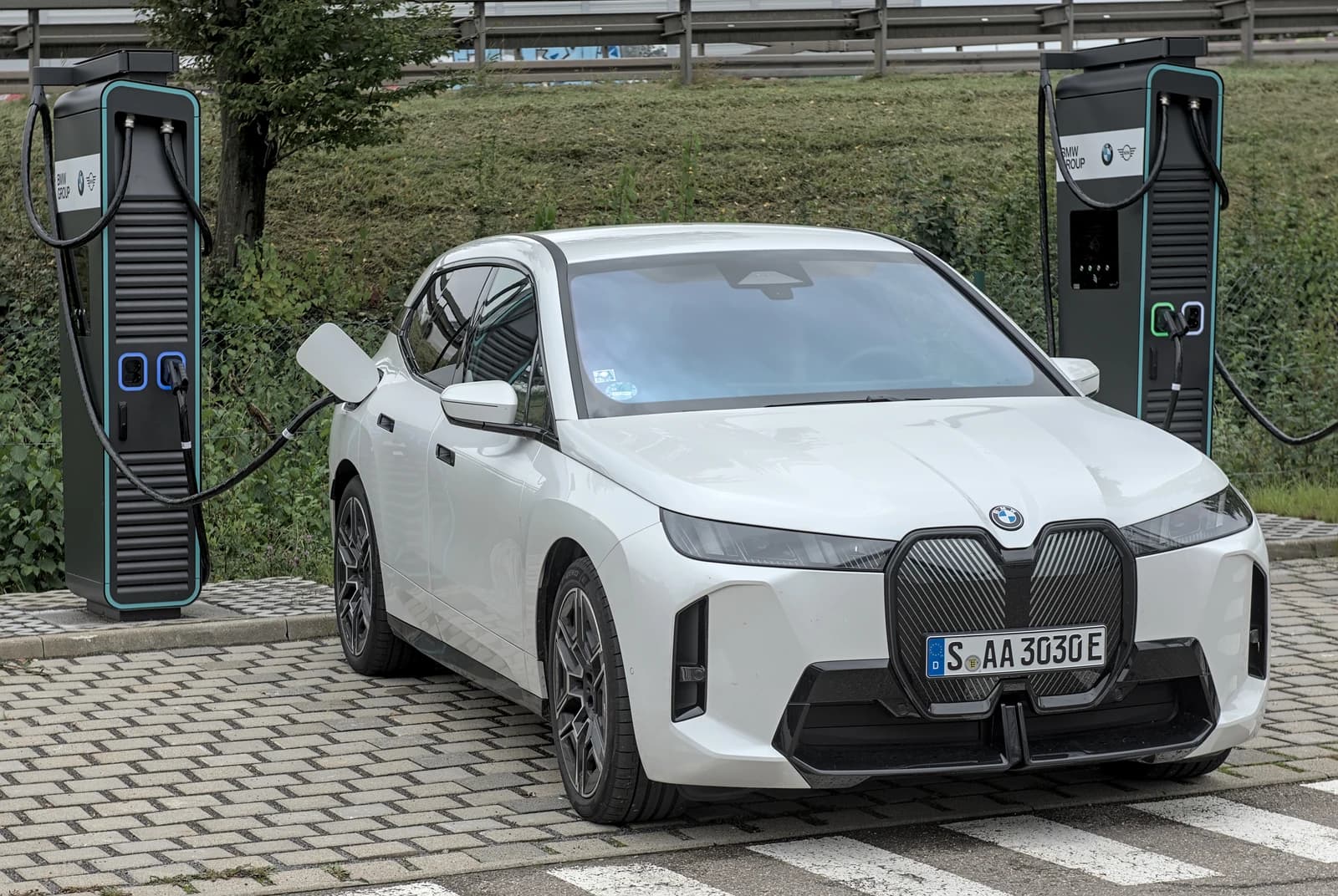
On paper, the new SUV has the kind of specifications that can justify a premium. The top iX5 uses two electric motors for 425 kW, or 578 horsepower, and 805 Nm of torque, with a 141 kWh battery pack and claimed range of 724 to 850 kilometers. Fast charging at up to 460 kW is designed to reduce the usual EV convenience gap, and the vehicle’s 2.9-tonne weight is being masked by chassis tuning that, according to the driving report, keeps the car agile enough to challenge the best in class for ride comfort and handling.
But the commercial question is whether those strengths are enough to offset the cost premium. At more than 100,000 euros before options, the iX5 sits in the price zone where luxury buyers still compare against established combustion and hybrid alternatives, not just EV rivals. The report suggests that once common options are added, the real transaction price approaches 120,000 euros, making leasing affordability a key barrier. In a market already sensitive to financing costs, that can limit volume even if the vehicle is technically impressive.
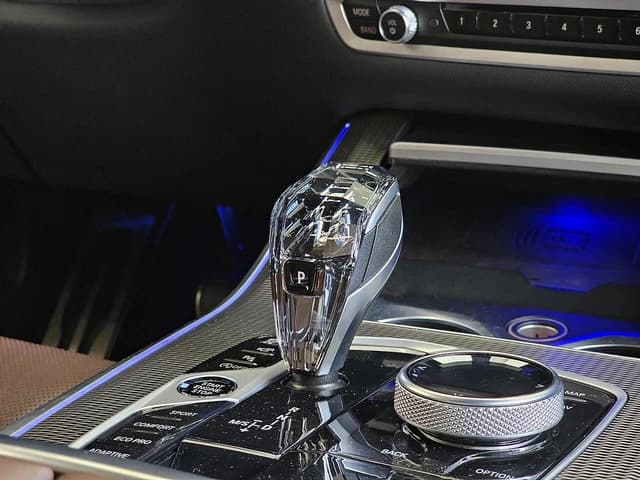
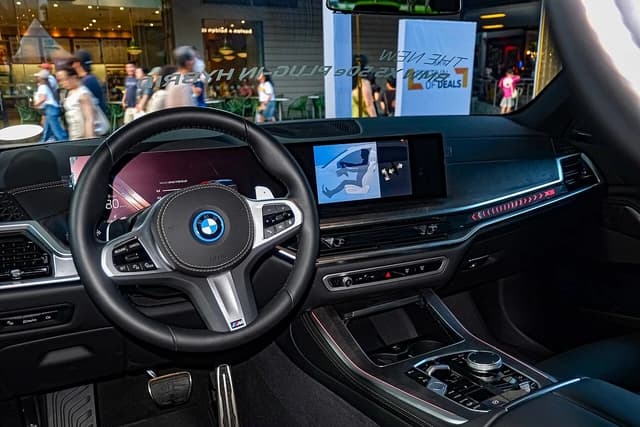
For BMW, the iX5 is therefore less about mass electrification than about protecting the upper end of the brand. The company has paired electric ambition with a familiar recipe of size, range and luxury, betting that affluent buyers will pay for a long-distance EV that does not feel like a compromise. Bulls will argue that the product’s range, charging speed and cabin refinement make it one of the few electric SUVs that can credibly replace a large premium diesel or plug-in hybrid. Bears will point out that the price structure leaves little room for error if demand softens, especially as rivals continue to launch their own electric flagships.
The broader significance is that premium automakers are still struggling to make battery-electric SUVs economically and commercially compelling at the top end of the market. BMW’s iX5 shows how far the technology has advanced, but also how expensive that progress remains. If leasing demand proves thin at current pricing, it will reinforce a familiar pattern in the luxury EV segment: strong products, limited affordability, and a slower-than-hoped transition for the most profitable models.
| Entity | Gains | Losses |
|---|---|---|
| BMW | ▲Premium EV halo | ▼Volume affordability |
| Wealthy buyers | ▲Long-range luxury EV | ▼Lower lease costs |
| Audi/Porsche/Mercedes/Range Rover | ▲Benchmark pressure | ▼Share if BMW wins buyers |
| Leasing customers | ▲High-spec SUV access | ▼Monthly payment burden |