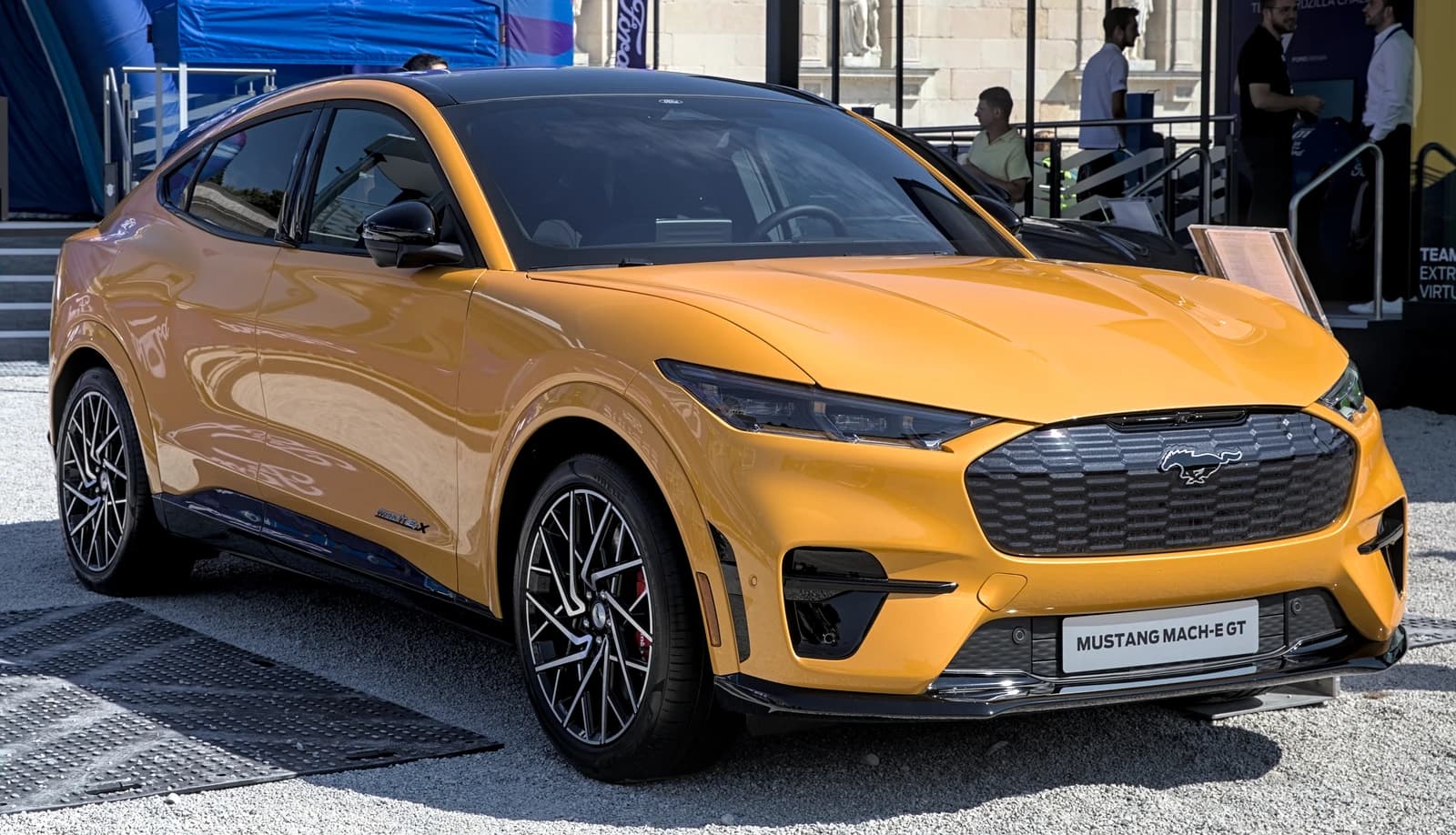
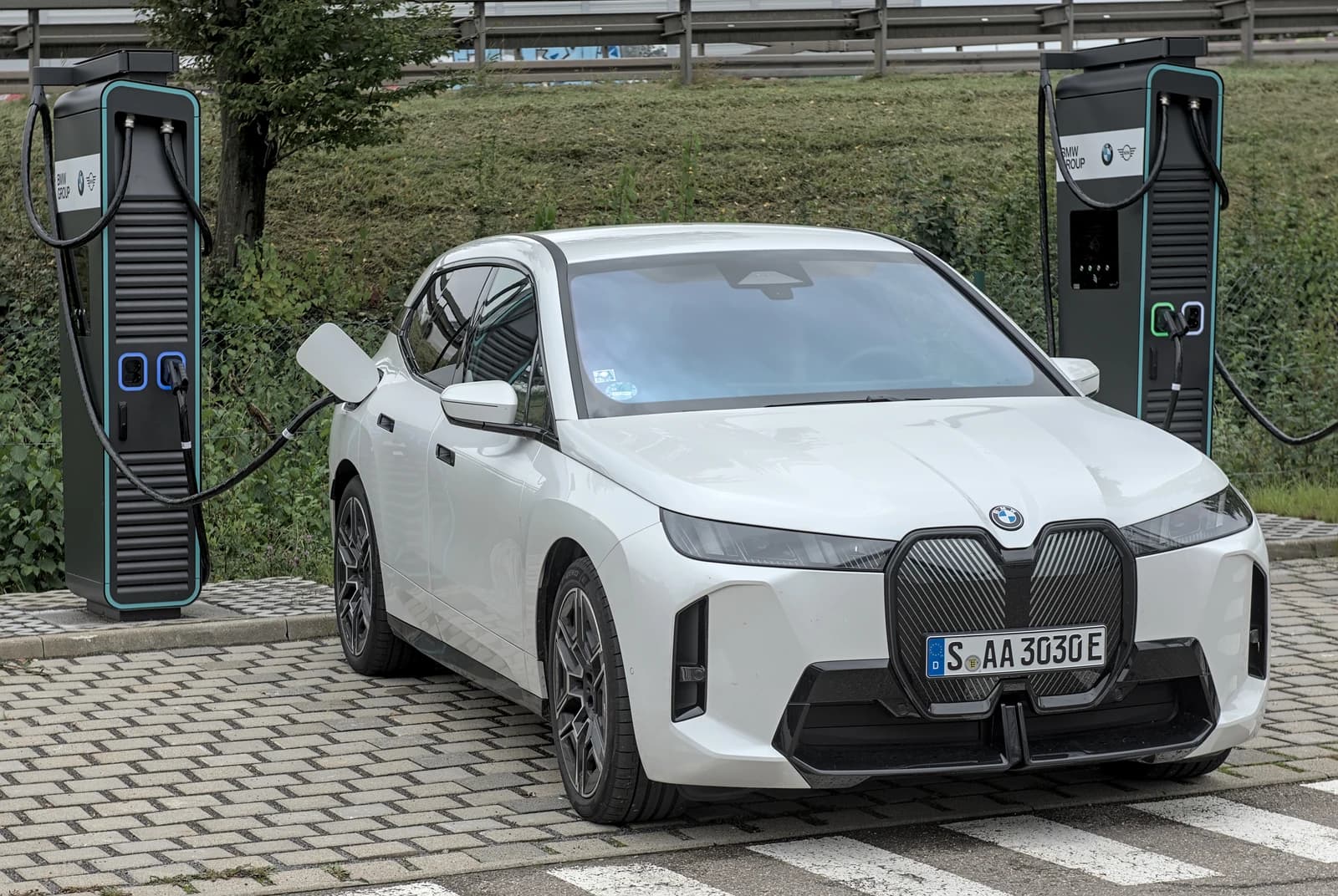
Ford’s new Mustang Mach-E Trail is less about conquering the Rubicon and more about giving buyers an electric SUV that looks ready for a campsite, a gravel road and a national-park weekend. For investors, that matters because it shows Ford is still trying to stretch the appeal of the Mach-E without making the costly leap into a full-bore off-road EV that would demand more hardware, more development spending and a harder-to-justify price premium.
Ford Mustang Mach-E Trail pricing and features
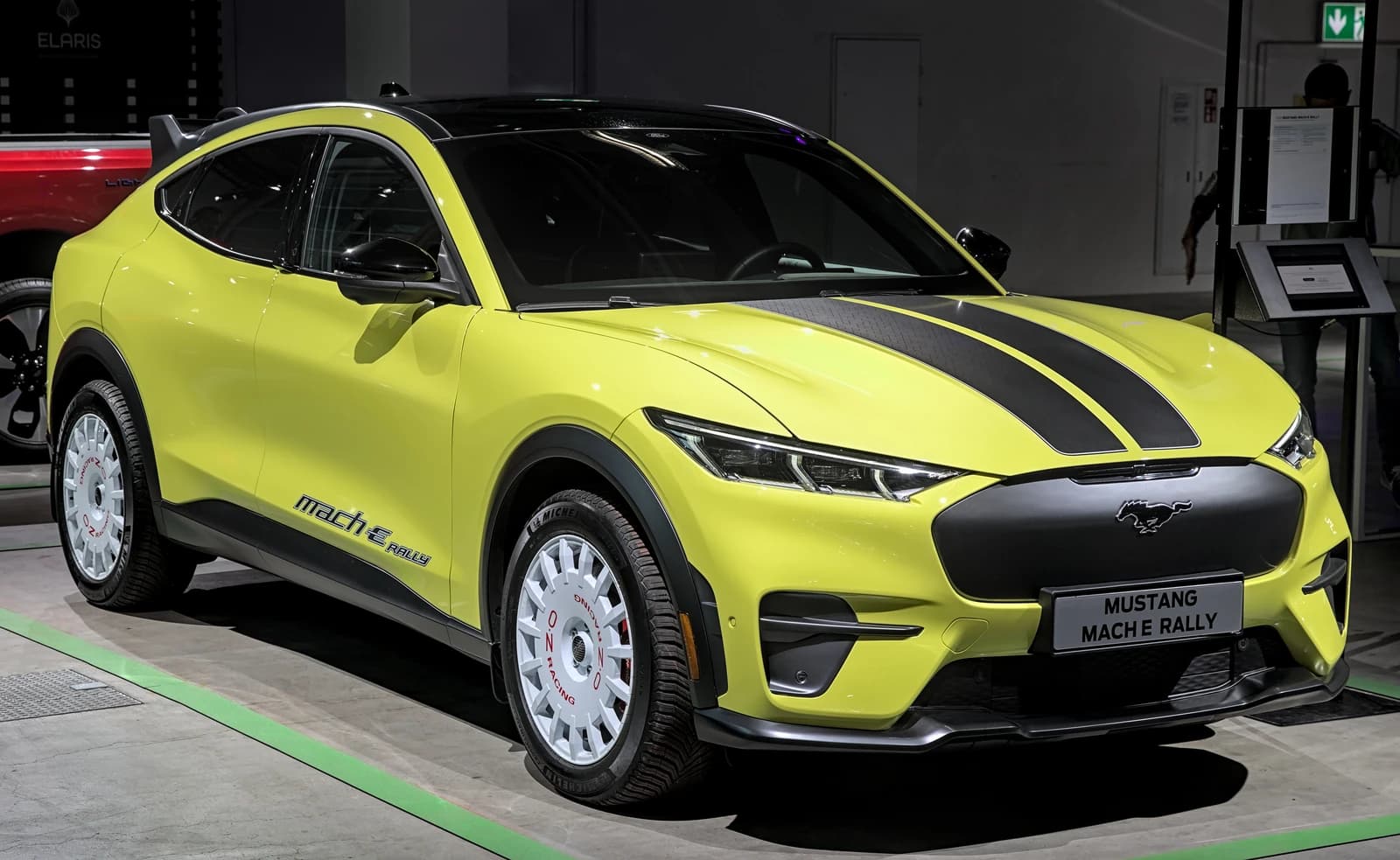
The Trail trim arrives as the broader EV market keeps rewarding products that feel practical, versatile and familiar rather than experimental. That is the real economic story here: Ford is using a light-touch trim strategy to keep the Mach-E fresh while preserving the economics of its existing platform. The changes are modest — a slightly raised suspension, chunkier tires, and the standard 400-watt Pro Power Onboard system — but they let Ford sell lifestyle appeal without reinventing the vehicle.
Sentiment Indicators
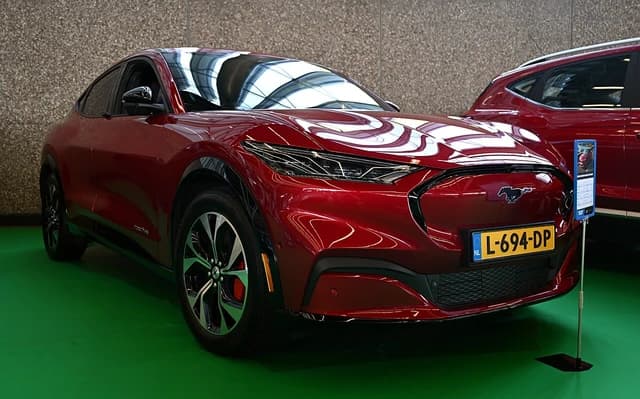
That should resonate with long-term shareholders because Ford does not need every new badge to be a moonshot. It needs profitable, incremental improvements that keep the showroom traffic moving while the company works through a still-uneven EV transition. Ford also made the extended-range battery standard across the 2027 Mach-E lineup, with the base Select RWD starting at $42,040 including destination. The Trail itself will come in at $47,335, while the more serious Mach-E Rally remains at $53,040. That pricing ladder gives Ford a cleaner way to segment buyers and protect margins than piling on expensive, specialized hardware.
The timing also fits a broader industry shift. Automakers have learned that buyers increasingly want rugged styling, outdoor branding and everyday utility — even if most of these vehicles will spend their lives on pavement. Ford’s approach mirrors what rivals have been doing across trucks and SUVs: sell the image of capability, then keep the real mechanical changes modest enough to preserve scale and affordability. For investors, that is usually a good sign. It suggests management is listening to demand rather than forcing an unproven niche.
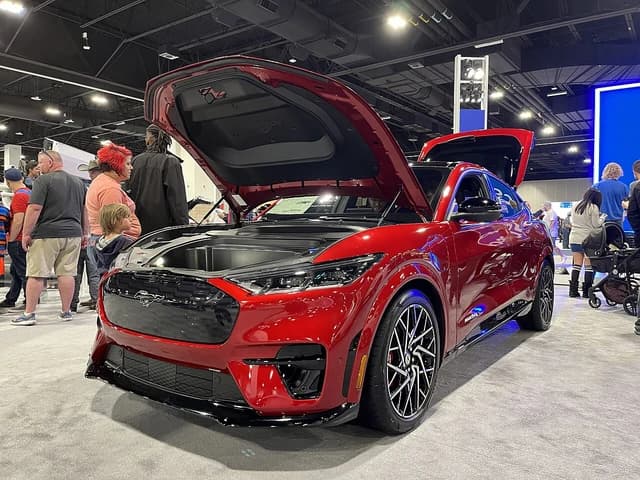
Still, this is not a game-changing EV product cycle on its own. The Mach-E Trail does not fix Ford’s larger challenges in electrification, from pricing pressure to uneven consumer adoption. It is a refinement, not a breakthrough. But refinements matter in auto investing, especially when they help keep a nameplate relevant and a platform in production longer. That can support utilization, simplify manufacturing and improve the odds that Ford extracts more value from each vehicle program over time.
For shareholders, the key question is whether Ford can keep turning practical updates like this into steadier EV demand and better economics. If it can, the Mach-E Trail is worth watching as another small step in a longer compounding story, not as an off-road revolution. Long-term investors should see it as a sensible, low-risk way to broaden the Mach-E’s appeal — and a reminder that in autos, discipline often matters more than spectacle.
| Entity | Gains | Losses |
|---|---|---|
| Ford | ▲Fresh Mach-E appeal | ▼Needs bigger EV margins |
| Mach-E buyers | ▲Outdoor styling, standard range battery | ▼True off-road hardware |
| Mach-E Rally | ▲Clearer top-trim positioning | ▼Less exclusivity from Trail trim |
| Tesla and EV rivals | ▲Broader EV category demand | ▼Some attention from Ford brand refresh |