Ford is leaning harder on high-margin performance models as it tries to keep momentum in a car market that remains uneven and to defend profits even as broader vehicle sales come under pressure.
Ford leans on performance models to protect margins
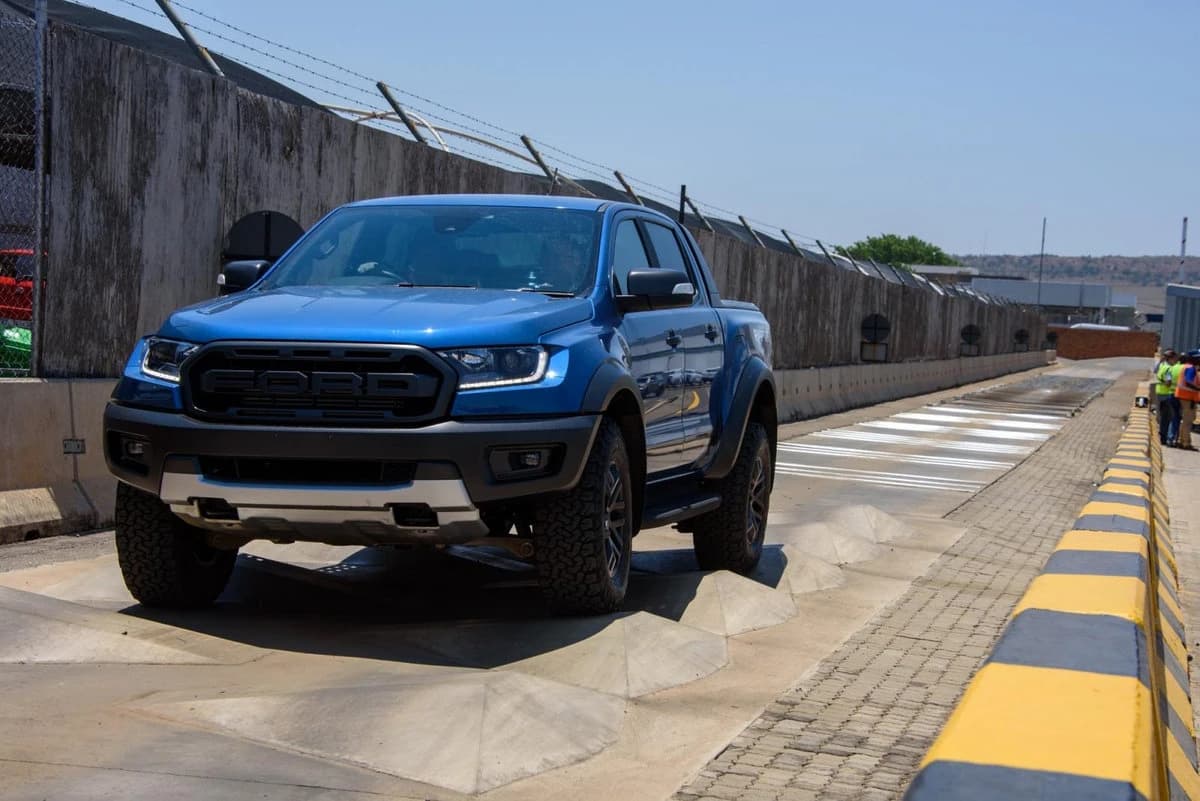
The pitch is straightforward: more distinctive trucks and performance vehicles can help Ford protect pricing and keep enthusiasts engaged while the company continues to invest in electrification and manufacturing. That matters because Ford’s earnings are still tied heavily to larger, more profitable vehicles, and its latest filings warn that results remain sensitive to industry demand, tariffs and competitive pressure.
Sentiment Indicators
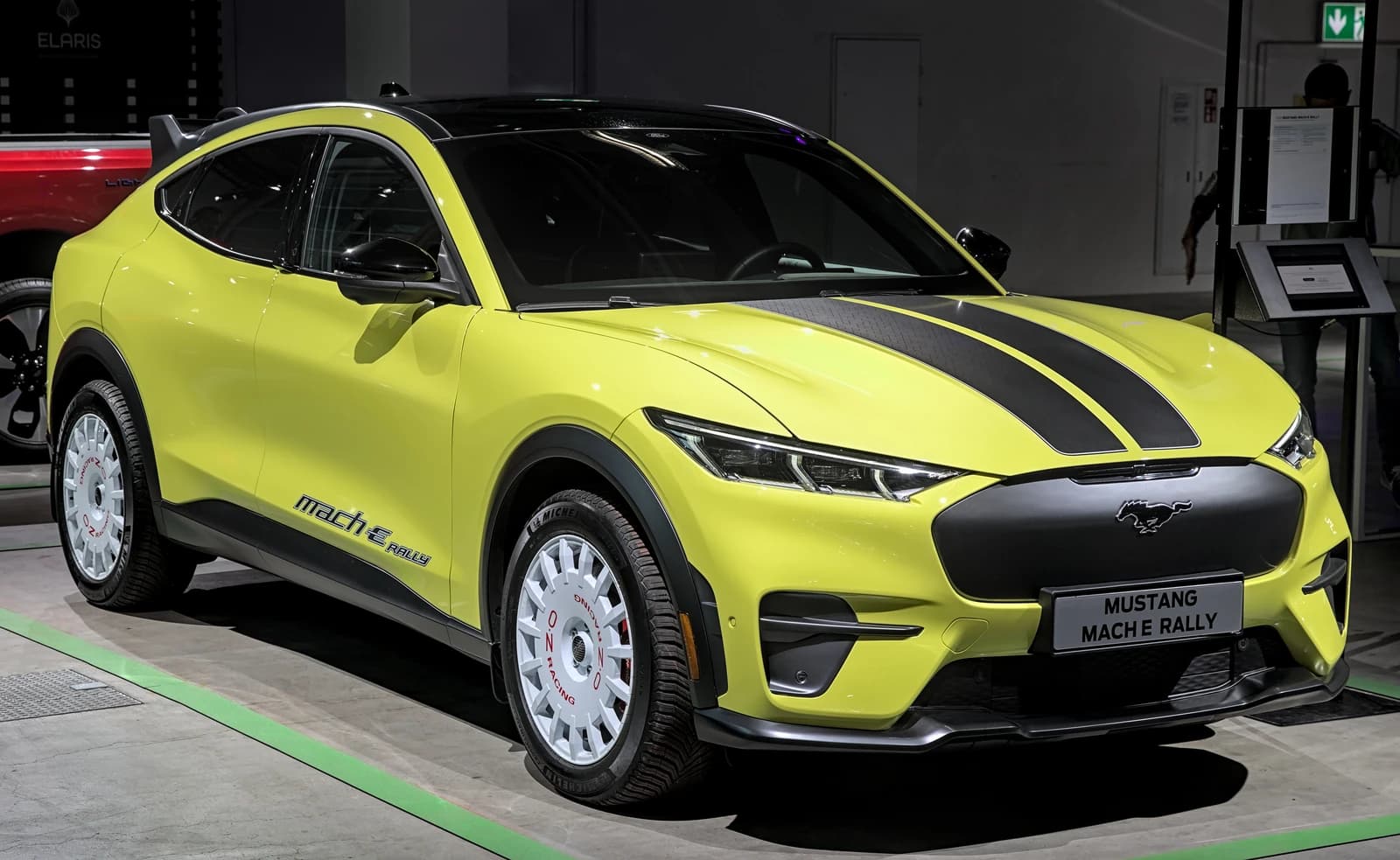
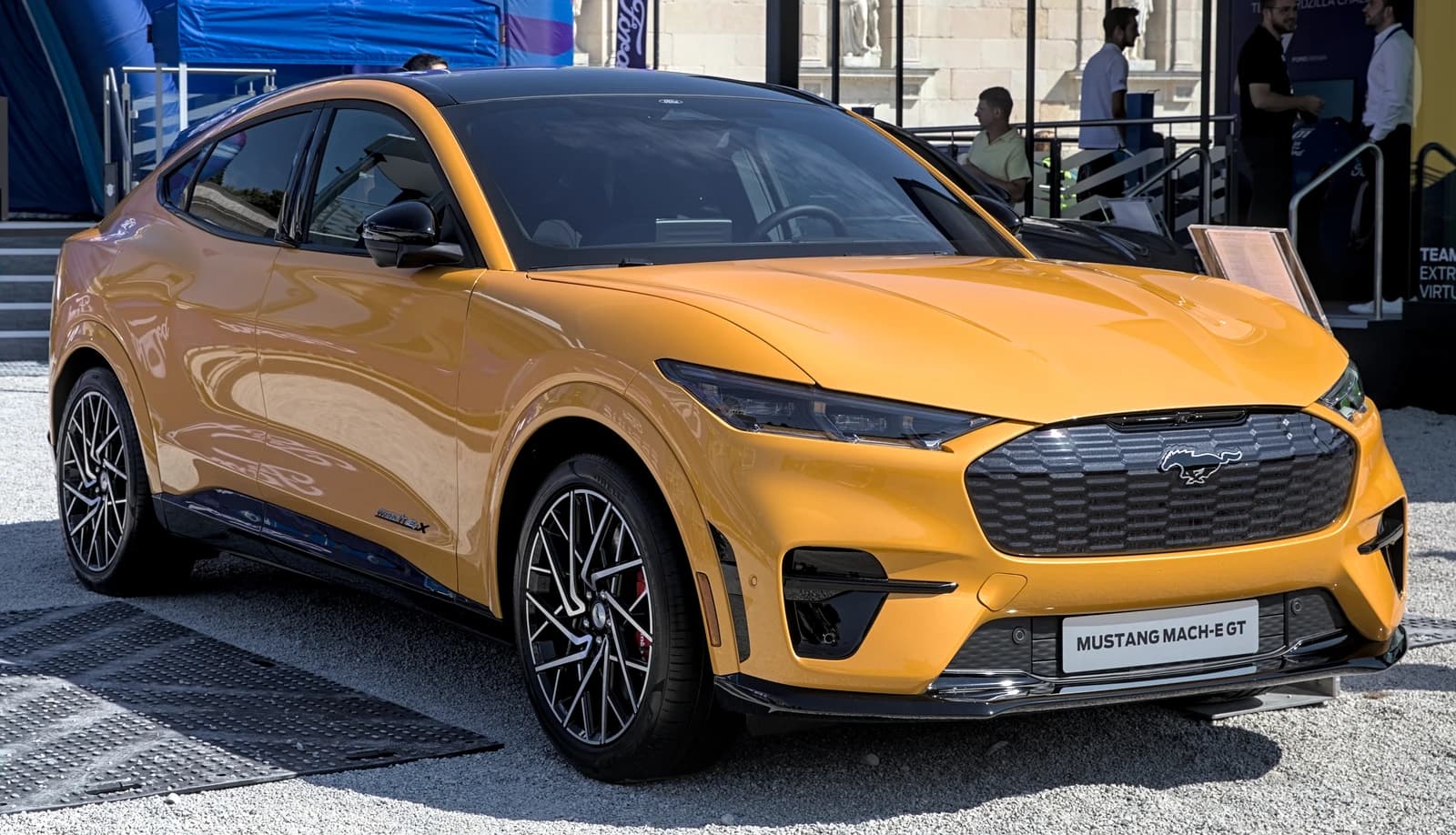
At the center of that strategy is the Mustang Dark Horse, the electric Mach-E Rally and the Ranger Raptor, models designed to showcase Ford’s range from track-focused muscle to off-road capability. The company is using the lineup to reinforce brand strength at a time when investors are watching whether new products can offset softness elsewhere in the business.
Ford has been expanding its electric push as well, including a new 2027 Mustang Mach-E Trail aimed at off-road buyers and a battery plant integration at its Almussafes factory in Spain. The factory, which recently marked 50 years of vehicle assembly, highlights how Ford is trying to pair product development with manufacturing flexibility as it competes with rivals on both price and range.
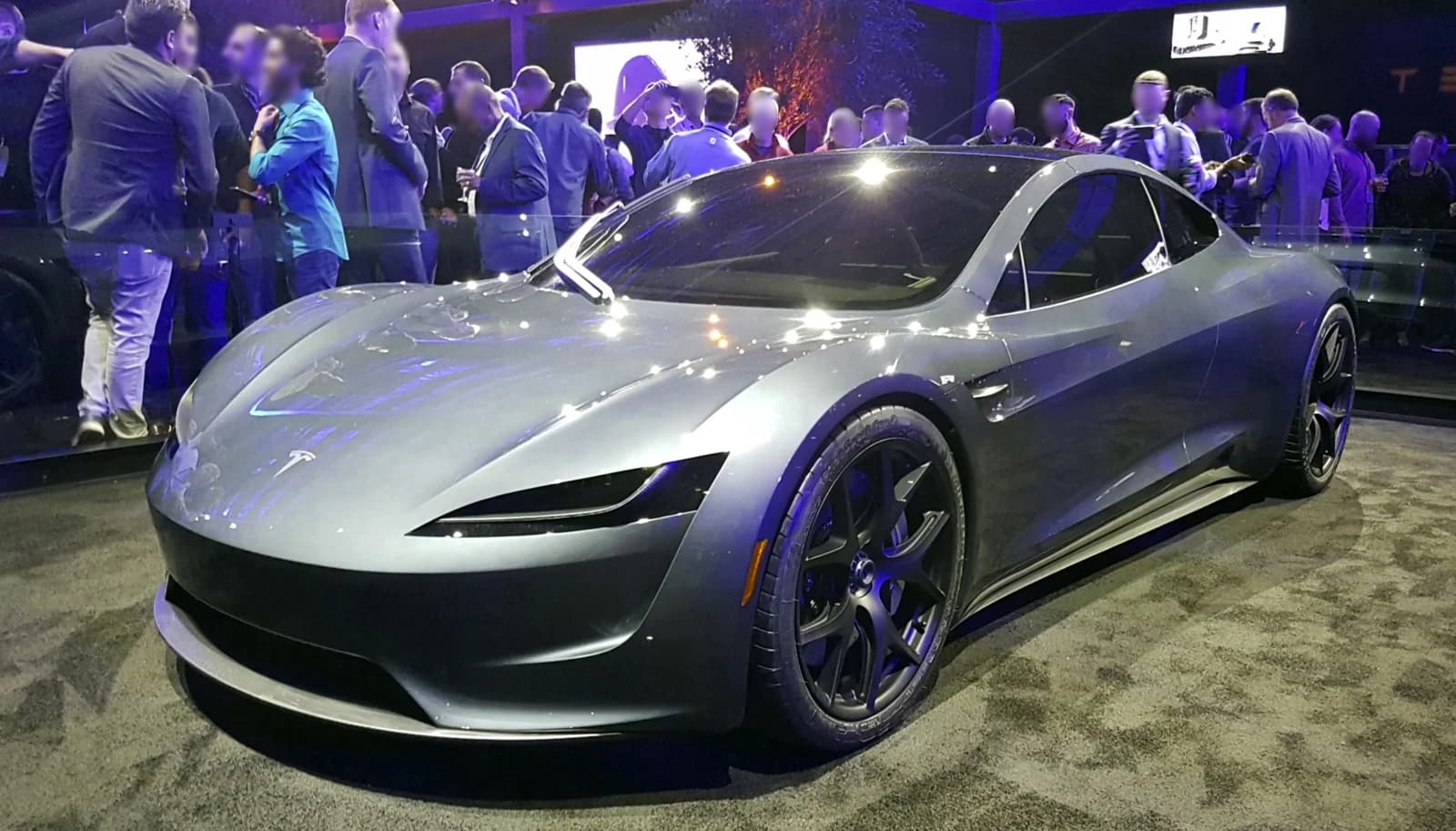
The backdrop is not entirely supportive. Ford’s recent share moves have been volatile, with the stock closing at $12.36 on Oct. 29 after trading as high as $17.25 in late May, while technical readings show the shares sitting near their 50-day moving average and still below the 200-day line. Tesla, another major EV competitor, is also trading well above its 200-day average as investor sentiment around the sector improves, underscoring the pressure on Ford to show its performance strategy can translate into demand.
For investors, the key question is whether these halo models can do more than generate attention. If Ford can turn performance branding into better mix, stronger margins and steadier EV adoption, it helps the case for the stock; if sales keep weakening, the product push may not be enough to offset a tougher earnings backdrop.
The next catalyst is Ford’s upcoming financial results and any update on EV production, pricing and demand trends in the U.S. and Europe.
| Entity | Gains | Losses |
|---|---|---|
| Ford | ▲Stronger brand mix | ▼Margin pressure if demand weakens |
| Performance buyers | ▲More choice and capability | ▼Higher sticker prices |
| Tesla and EV rivals | ▲Sector attention lifts demand debate | ▼Ford’s niche EV push adds competition |
| Ford shareholders | ▲Potential pricing power | ▼Volatility if sales disappoint |