Tesla has finally shown a new Roadster, turning a nearly decade-long delay into a fresh bid to reclaim the halo around its brand even as the car will not reach production until 2028.
Tesla Roadster Delayed Until 2028
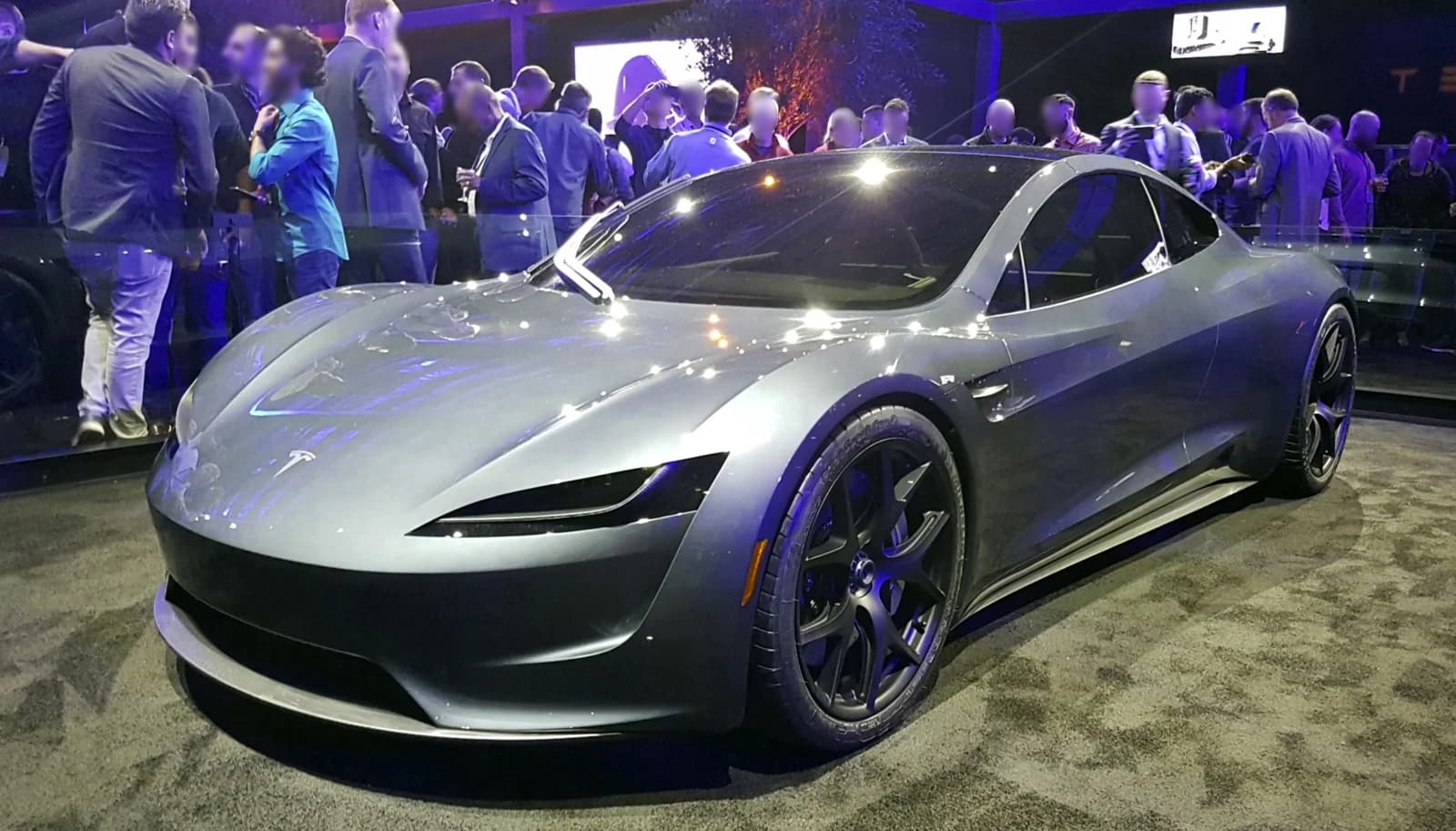
The reveal matters less as an immediate revenue event than as a signal that Tesla still wants a place at the top end of the performance market, where brand cachet can support pricing power and keep attention fixed on the company’s technology lead. But the long wait also underscores the execution risk that has increasingly framed Tesla’s story: ambitious product claims, slow industrialization and a manufacturing roadmap that remains stretched by autonomy, batteries, robotics and other capital-intensive projects.
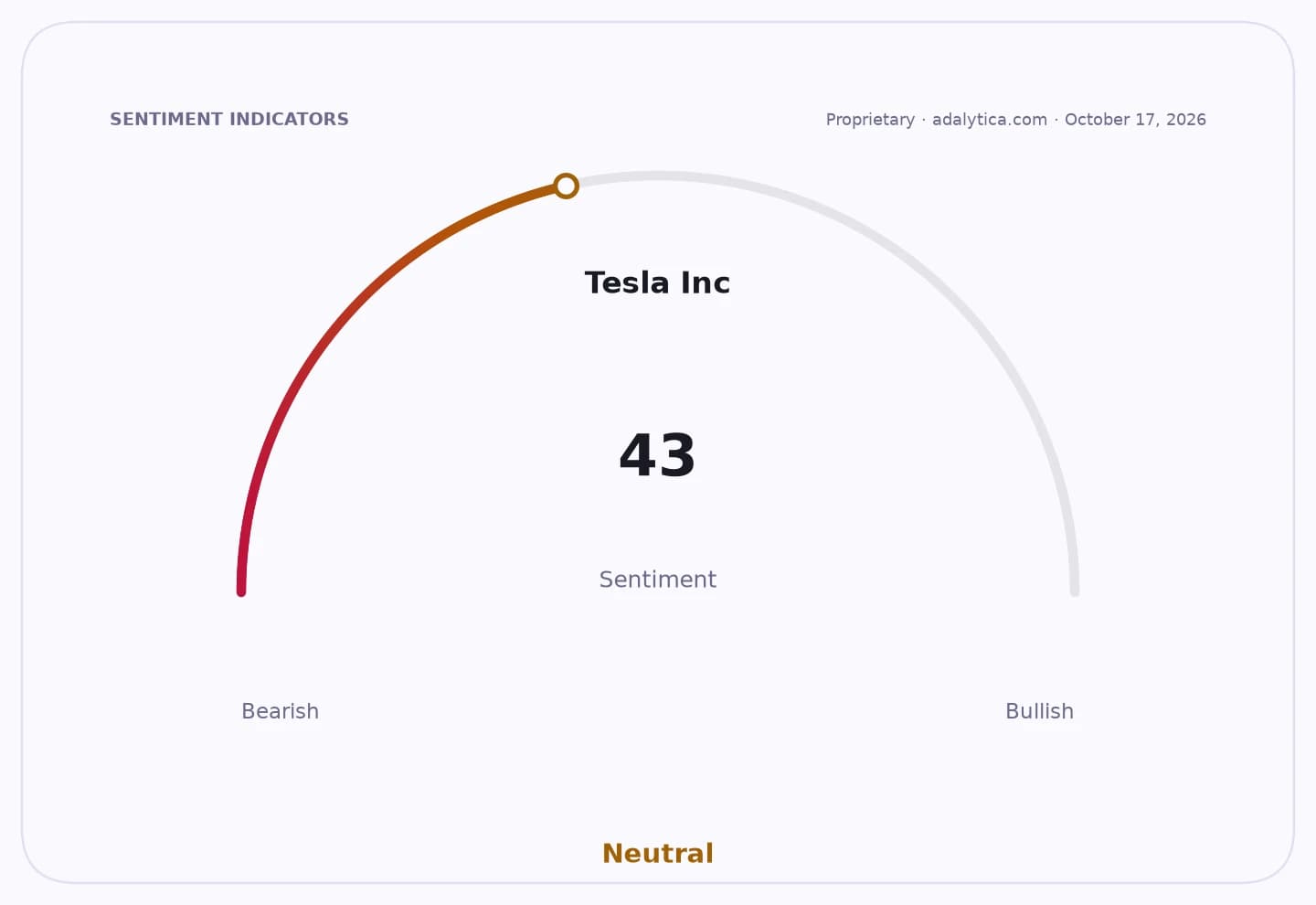
Sentiment IndicatorsⓘProprietary · adalytica.com · October 20, 2026
This is a snapshot — live sentiment, awareness and momentum for 130+ markets update continuously in the dashboard.Open AlphaPulse
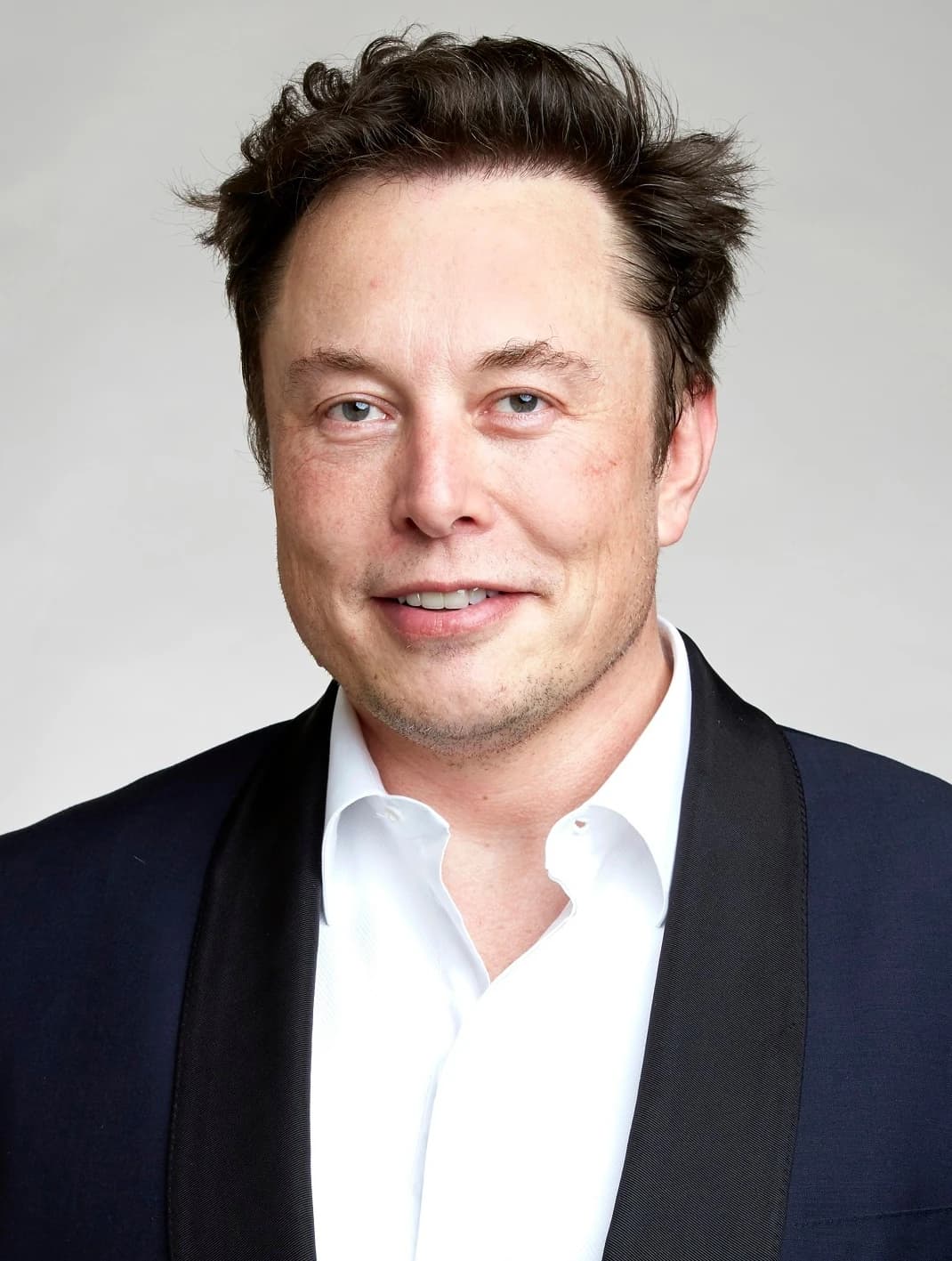
Tesla said the electric sports car can accelerate from zero to 100 kilometers per hour in less than one second, a claim that would put it in a class of its own if achieved. The company also said the model uses technologies developed with SpaceX, a reminder of Elon Musk’s habit of cross-pollinating his companies’ engineering efforts to create products that are as much statements of intent as they are commercial vehicles. The presentation took place at SpaceX’s test site in Texas, reinforcing that branding.
Yet investors are likely to focus more on timing than theater. A 2028 start date means the Roadster will not affect near-term deliveries, revenue or margins, which are the metrics that matter most to Tesla’s valuation today. The company has spent years telling the market to wait for future products and future technologies, while current operations have had to absorb the cost of expanding manufacturing capacity, developing new battery cells and funding autonomy and robotics. Tesla’s latest filing warned that rapidly evolving trade and fiscal policy, along with geopolitical conflicts, continue to create uncertainty for supply chains and costs.
Market reaction will also be shaped by the broader competitive backdrop. Luxury and performance peers such as Ferrari and Porsche continue to defend the segment Tesla is trying to disrupt, and the Roadster’s unveiling keeps pressure on incumbents to answer the rise of high-tech electric performance cars. For Tesla bulls, the new model is evidence the company can still generate aspirational demand and keep its brand ahead of rivals. For bears, it is another example of a company leaning on distant promises while the near-term business must carry the load.
Tesla shares have been volatile but remain above both the 50-day and 200-day moving averages, suggesting the market still assigns a premium to the company’s long-term optionality. Adalytica’s Tesla earnings sentiment gauge is also in greed territory, with awareness at extreme greed, showing that investor attention remains intense. The Roadster may add to that enthusiasm, but the real test will be whether Tesla can convert spectacle into a product launch that arrives on time and without further dilution of management credibility.
For investors, the key question is whether the Roadster becomes a profitable halo product or simply another proof that Tesla’s most striking announcements often live far ahead of its manufacturing reality.
| Entity | Gains | Losses |
|---|---|---|
| Tesla | ▲Brand halo, aspirational demand | ▼Near-term credibility if delayed again |
| Ferrari and Porsche | ▲Benchmark to defend premium segment | ▼Share of attention in performance EVs |
| Tesla bulls | ▲Optionality and growth narrative | ▼If execution slips further |
| Tesla short sellers | ▲Evidence of long-dated promises | ▼If Roadster reaches production on schedule |