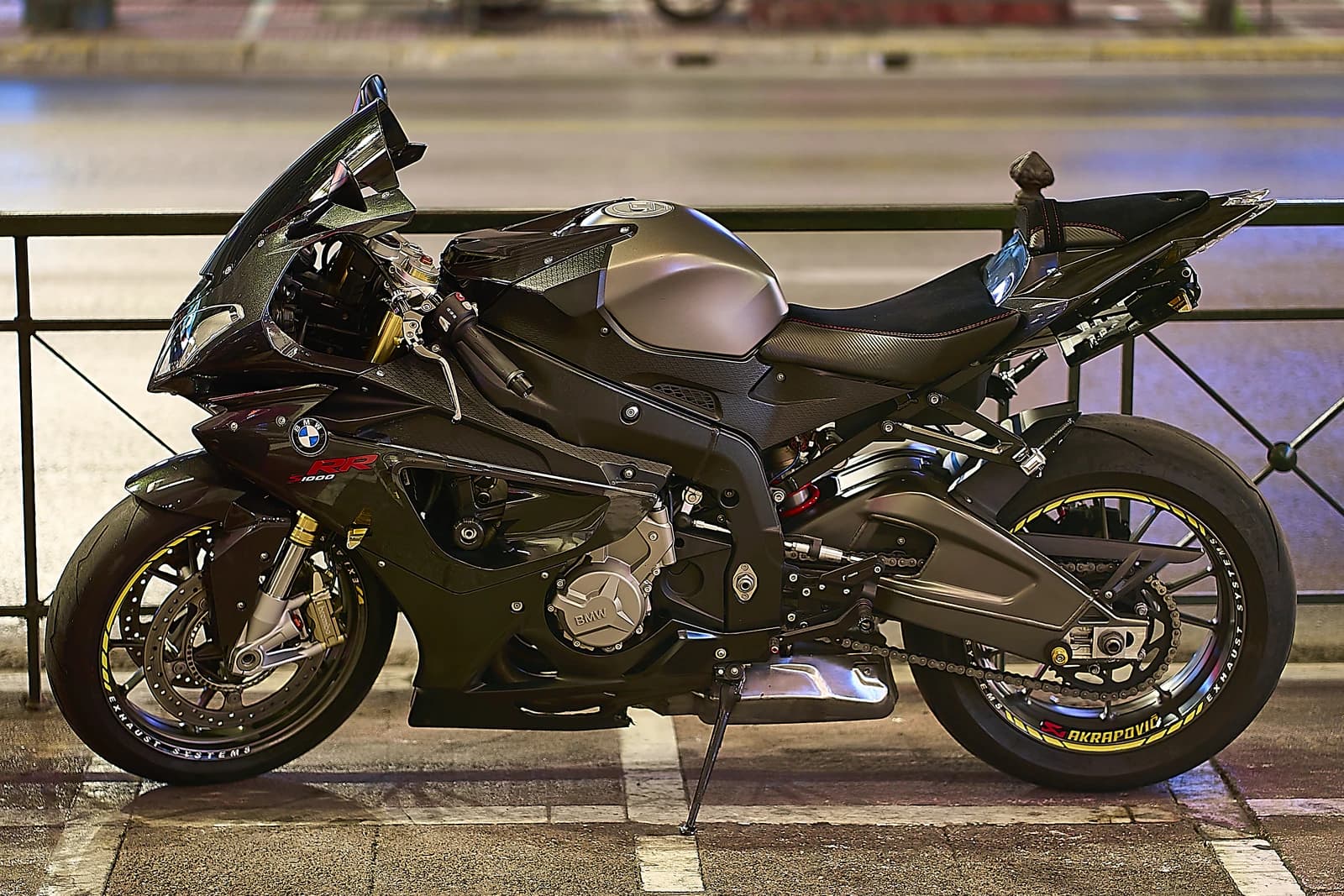
BMW is quietly rewriting parts of its playbook, and that matters because it goes straight to the heart of what makes the German automaker valuable: a more disciplined lineup, fewer costly side bets and a clearer brand identity for the electric era.
BMW trims lineup, drops diesel in 3 Series
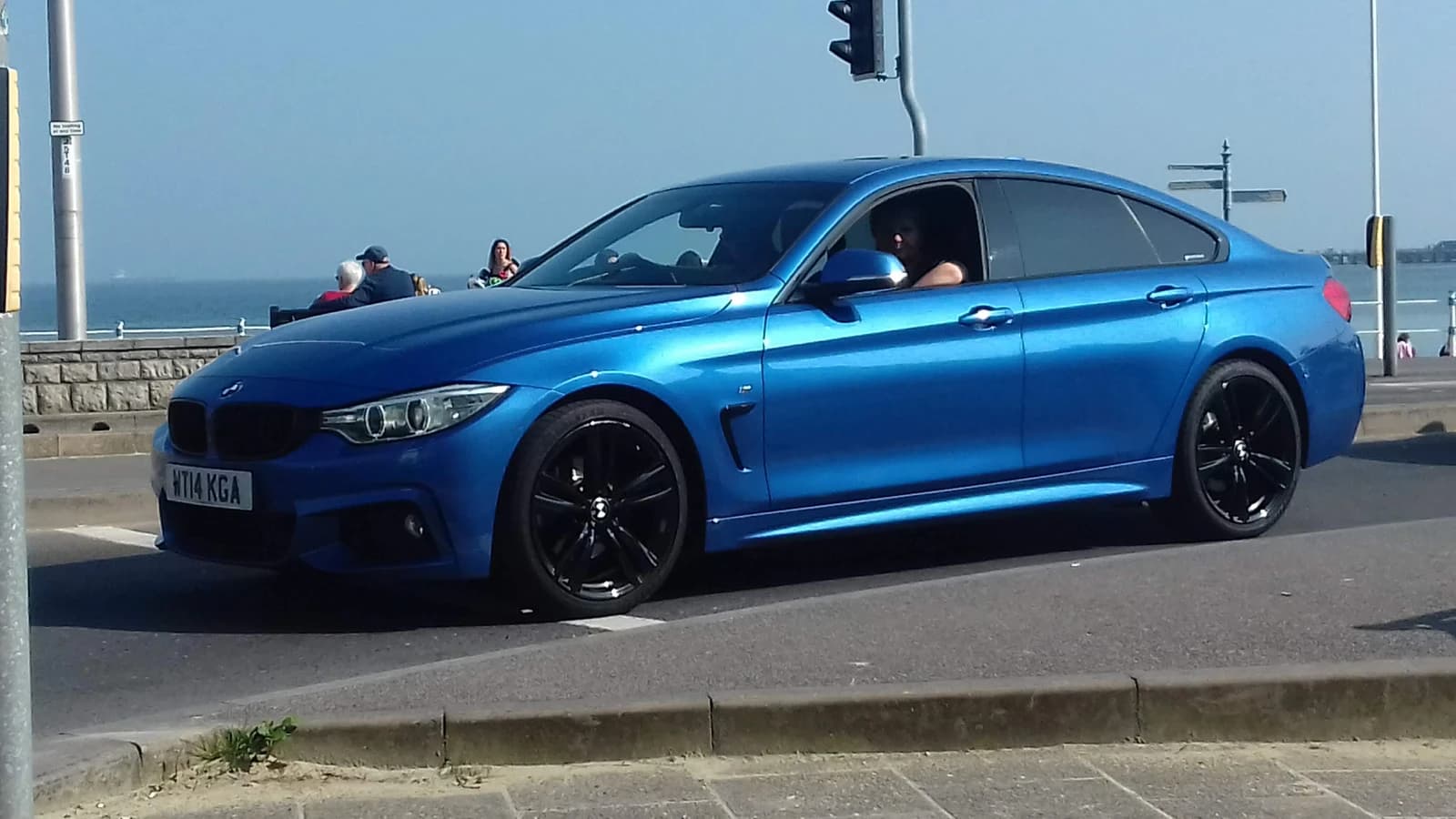
The biggest change is that BMW is moving away from some of the experiments it used to widen its reach. The next-generation 3 Series is expected to drop diesel engines, ending a relationship that helped BMW dominate European executive-car buyers for decades. At the same time, front-wheel-drive models that once represented a major push into compact and family-friendly niches are on the clock, with the 2 Series Active Tourer due to disappear in 2029, the 2 Series Gran Coupé in 2032 and the combustion X1 and X2 in 2033.
That may sound like a niche product shuffle, but it is strategically important. Carmakers do not make money simply by offering the widest possible menu. They make money by selling vehicles that share platforms, protect margins and reinforce a brand people actually seek out. BMW appears to be leaning back toward that formula after years of expanding into every corner of the market.
For investors, the significance is twofold. First, a slimmer portfolio usually means less engineering duplication and better capital efficiency. Second, BMW is signaling that the future of its lineup will be built around higher-priority models, especially SUVs and electrified vehicles, rather than low-volume variants that can muddy the brand and add complexity. In a sector where software, battery spending and platform development are soaking up billions, simplification is not just aesthetic — it is financial discipline.
The diesel retreat is especially symbolic. BMW was once one of the strongest believers in diesel power, even putting it into a coupé after previously saying it would not. But Europe’s market has changed, regulations have tightened and buyer preferences have shifted. The company is not abandoning diesel everywhere, but ending it on a model as central as the 3 Series underlines how far the industry has moved. That matters in Europe, where diesel’s decline has already reshaped the economics of passenger cars and the fuel market around them.
BMW’s front-wheel-drive chapter tells a similar story. The UKL platform let the company reach buyers who wanted space and practicality at lower cost, but it also blurred the distinction between BMW and rivals. As the company looks to simplify, those models are becoming less important. The move suggests BMW believes the long-term payoff is greater from concentrating on nameplates with stronger brand equity and better pricing power.
This is where the long-term investor should pay attention. A company does not become more resilient by doing everything. It becomes more resilient by doing the right things repeatedly. BMW is not going back to the past, because electrification and consumer demand have made that impossible. But it is trying to restore some of the coherence that made it a premium brand in the first place.
The risk, of course, is that pruning the lineup can shrink reach before replacement models fully mature. BMW still has to compete in a market where SUV demand remains strong, electric adoption is uneven and premium buyers are choosy. Yet the broader direction looks sensible: fewer distractions, more focus and a product range that is easier to manage profitably.
For investors, that makes BMW worth watching as a company trying to turn brand discipline into better returns. The next few years will show whether the cleaner lineup supports margins and whether its electric models can carry the identity that once came from diesel sedans and rear-wheel-drive dynamics. If BMW gets that balance right, the company could emerge leaner, more coherent and better positioned for the decade ahead.
| Entity | Gains | Losses |
|---|---|---|
| BMW | ▲Simplified lineup, better capital discipline | ▼Some niche sales volume |
| Premium shareholders | ▲Clearer margins and branding | ▼Less near-term growth from niche models |
| Diesel engines | ▲Faster decline in BMW mix | ▼Lower relevance in BMW’s core range |
| Rival automakers | ▲Opportunity to poach niche buyers | ▼BMW’s stronger focus on core models |