“Buy now, pay later” is proving most dangerous when it does what marketers intended: make debt feel like a payment method rather than a loan.
BNPL survey in New Zealand finds debt blind spot
That matters because a new survey of young New Zealand adults suggests the product’s convenience and branding are not just shaping behaviour — they are obscuring the borrowing relationship itself. Four in 10 respondents did not see BNPL as debt, and nearly half believed it carried fewer consequences than conventional credit. Among users, more than half had paid late penalties and 43% had turned to other credit, including credit cards, to meet repayments.
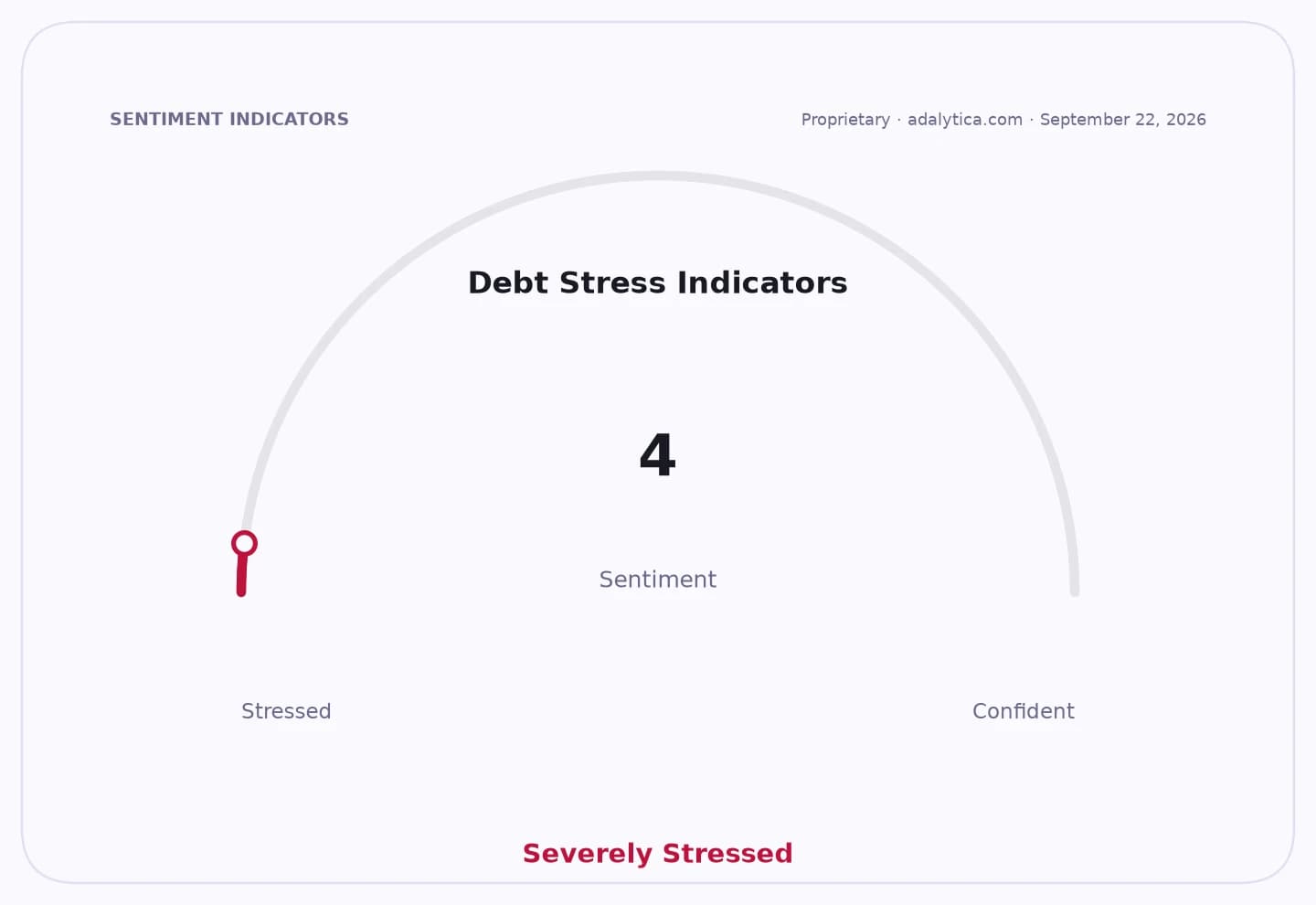
Sentiment IndicatorsⓘProprietary · adalytica.com · September 26, 2026
This is a snapshot — live sentiment, awareness and momentum for 130+ markets update continuously in the dashboard.Open AlphaPulse
The findings help explain why BNPL has become one of the fastest-growing forms of consumer finance and why regulators are still struggling to contain the harm. In New Zealand, the products were brought under the Credit Contracts and Consumer Finance Act in September 2024, but a recent Consumer NZ and FinCap review said the changes have not materially reduced financial distress. Calls are now building for affordability checks and tighter late-fee controls.
For lenders, the core issue is not merely bad timing or missed payments. BNPL depends on a behavioural mismatch: consumers often treat a short-term instalment as a purchase choice, not a credit obligation. That can encourage spending beyond budget, especially among younger users wary of credit cards and more receptive to checkout friction that feels lighter than a loan application. The same dynamic is why late fees remain such a profitable part of the business model.
The study also complicates the common assumption that financial literacy alone is enough to protect borrowers. Respondents who said they had received financial education were less likely to recognise BNPL as debt, while those with higher financial capability were more likely to use other credit to keep up with repayments. In other words, knowing how conventional credit works does not necessarily prepare consumers for products designed to look non-financial.
That has implications beyond New Zealand. BNPL firms such as Afterpay, Klarna and Zip have built global businesses on the idea that splitting payments is simpler and less intimidating than borrowing. The bull case is that this widens access to credit, supports merchant sales and reduces the stigma attached to financing everyday spending. The bear case is that the easier the product feels, the more likely it is to be used repeatedly, stacked across purchases and funded with other debt when repayments come due.
Investors should read this as a reminder that BNPL growth is tied to consumer psychology as much as credit demand. If regulators require stricter affordability checks or cap late fees, the economics of the model could shift, particularly for firms that rely on repeat usage and penalty income. Even without a regulatory clampdown, rising evidence of consumer strain raises the risk of higher credit losses and weaker merchant economics if shoppers pull back.
The larger lesson is that financial education needs to keep pace with product design. If consumers cannot identify when a “payment plan” is actually debt, the market will continue to reward products that blur that line. For BNPL providers, that may keep conversion rates high in the near term. For borrowers, especially younger ones, it can turn a convenient checkout feature into a costly source of revolving debt.
| Entity | Gains | Losses |
|---|---|---|
| BNPL providers | ▲Higher conversion rates | ▼Greater regulatory scrutiny |
| Merchants | ▲More sales at checkout | ▼Higher payment-failure risk |
| Young consumers | ▲Easier access to purchases | ▼Late fees and debt buildup |
| Traditional lenders | ▲Potential BNPL spillover borrowing | ▼Loss of some small-ticket credit share |