BOJ board member Asada’s call for clearer evidence of demand-driven inflation before backing another rate increase reinforces the risk that Japan’s policy normalization will remain slower than markets expected, keeping pressure on the yen and complicating cross-asset positioning.
BOJ Caution Keeps Yen Under Pressure
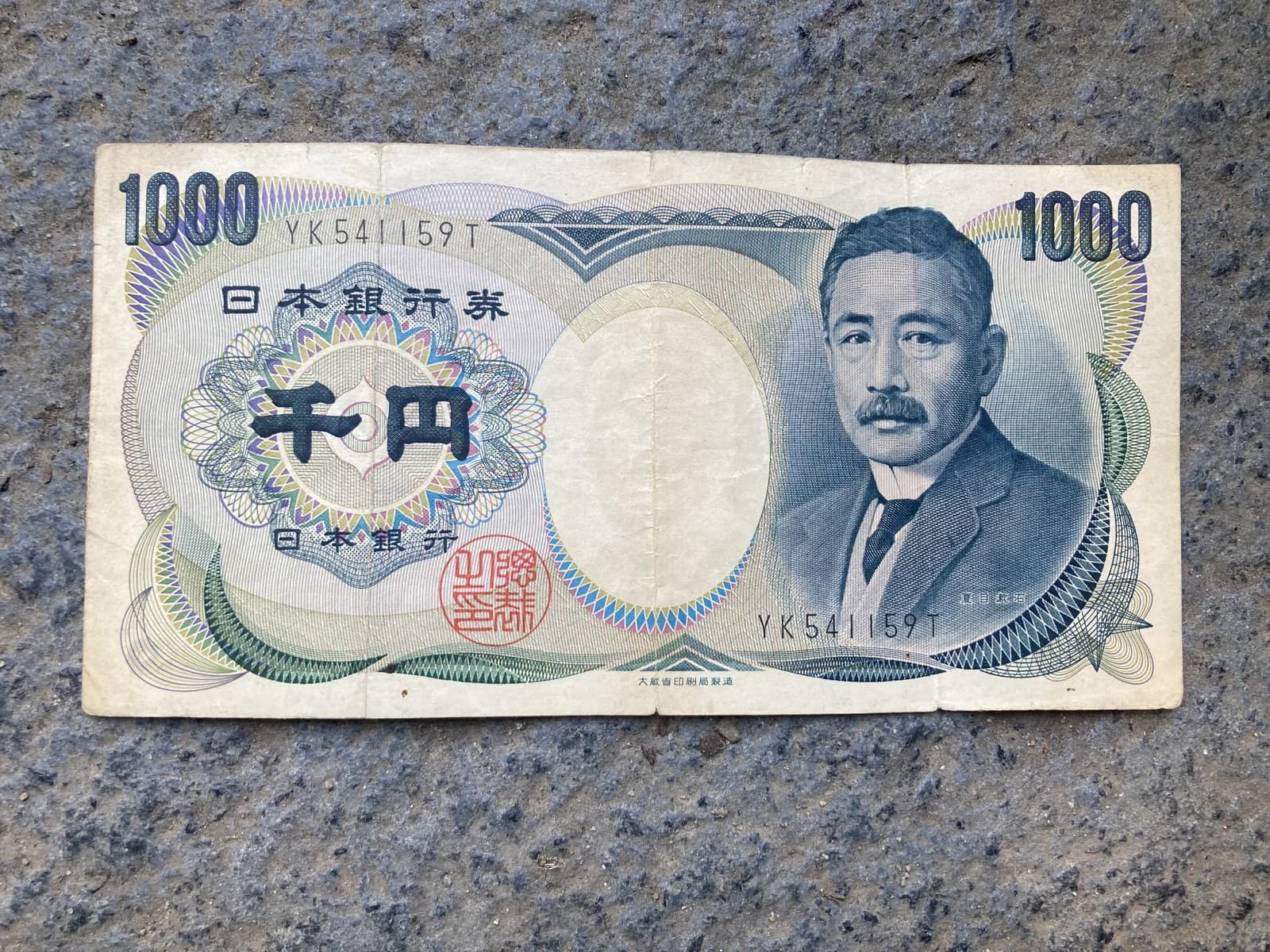
The economic signal is that the Bank of Japan is still distinguishing between inflation caused by stronger domestic demand and price gains driven by imports, energy or currency weakness. That matters because only the former would justify a durable tightening cycle. If policymakers wait for firmer proof that wages, consumption and corporate pricing power are feeding each other, Japan’s real rates are likely to stay deeply accommodative even as inflation risks linger.

For investors, the immediate implication is that yen weakness remains the release valve. Dollar-yen closed at 162.39, above both its 50-day and 200-day moving averages and close to the upper end of its recent Bollinger Band range, while RSI readings above 70 suggest the move is stretched but not yet broken. The macro trade remains familiar: BOJ caution supports carry trades, weighs on the yen and raises the odds that Japanese officials face renewed pressure to lean against disorderly currency moves.
That currency backdrop is doing two things at once for Japanese equities. A weaker yen supports exporters’ earnings translation and has helped keep Japan exposure attractive, but it also erodes dollar-based returns and raises the cost of imported energy and food. The iShares MSCI Japan ETF remains well above its 50-day and 200-day moving averages, though its pullback from 95.27 to 93.07 in the latest data points to more selective positioning rather than a one-way Japan equity trade.

Banks are the cleanest equity expression of BOJ normalization, which is why Asada’s caution matters for names such as Mitsubishi UFJ Financial Group. MUFG has been trading above its 50-day and 200-day moving averages, reflecting investor expectations that higher domestic rates will eventually improve lending margins. But a slower BOJ path tempers the near-term upside for Japanese financials and shifts attention back to whether wage growth and consumption can deliver the demand-led inflation Asada wants to see.
The broader macro regime is one in which Japan remains an outlier: inflation is no longer negligible, but policymakers are still reluctant to tighten without proof that the private sector can sustain it. That keeps Japanese government bond yields anchored relative to global peers, leaves the yen vulnerable to rate differentials and makes commodities more expensive in local-currency terms. For global portfolios, the message is to separate the Japan equity thesis from the yen thesis: exporters may still benefit, but unhedged currency exposure carries rising volatility.
The next market catalyst is not merely the next BOJ meeting, but the next evidence on wages, services prices and household demand. Until those data show inflation is being generated domestically rather than imported through a weak currency, Asada’s stance argues for patience from the central bank and caution from investors betting on a decisive yen rebound.
| Entity | Gains | Losses |
|---|---|---|
| Yen carry trades | ▲BOJ patience | ▼Sudden intervention risk |
| Japanese exporters | ▲Weak yen earnings lift | ▼Import-cost pressure |
| Japanese banks | ▲Long-term rate upside | ▼Delayed margin expansion |
| Yen bulls | ▲Intervention optionality | ▼Slower BOJ tightening |