Amazon is escalating its fight against a New York City delivery bill, warning shoppers the measure could add as much as $5 to every order and potentially force the company to rethink its local operations.
Amazon fights New York City delivery bill
The dispute matters because it reaches directly into the economics of e-commerce in the country’s largest city: if Amazon absorbs new labor, licensing and compliance costs, margins would tighten; if it passes them on, consumers already squeezed by inflation would see higher delivery bills.
Sentiment Indicators
The company pushed the message through in-app and website pop-ups to New Yorkers, targeting the Delivery Protection Act, or Intro 518, which is backed by Mayor Zohran Mamdani and sponsored by Councilmember Tiffany Cabán. Amazon said the law could raise annual delivery costs by as much as $664 per shopper and generated roughly 60,000 emails to council members in its first 36 hours, according to the company.
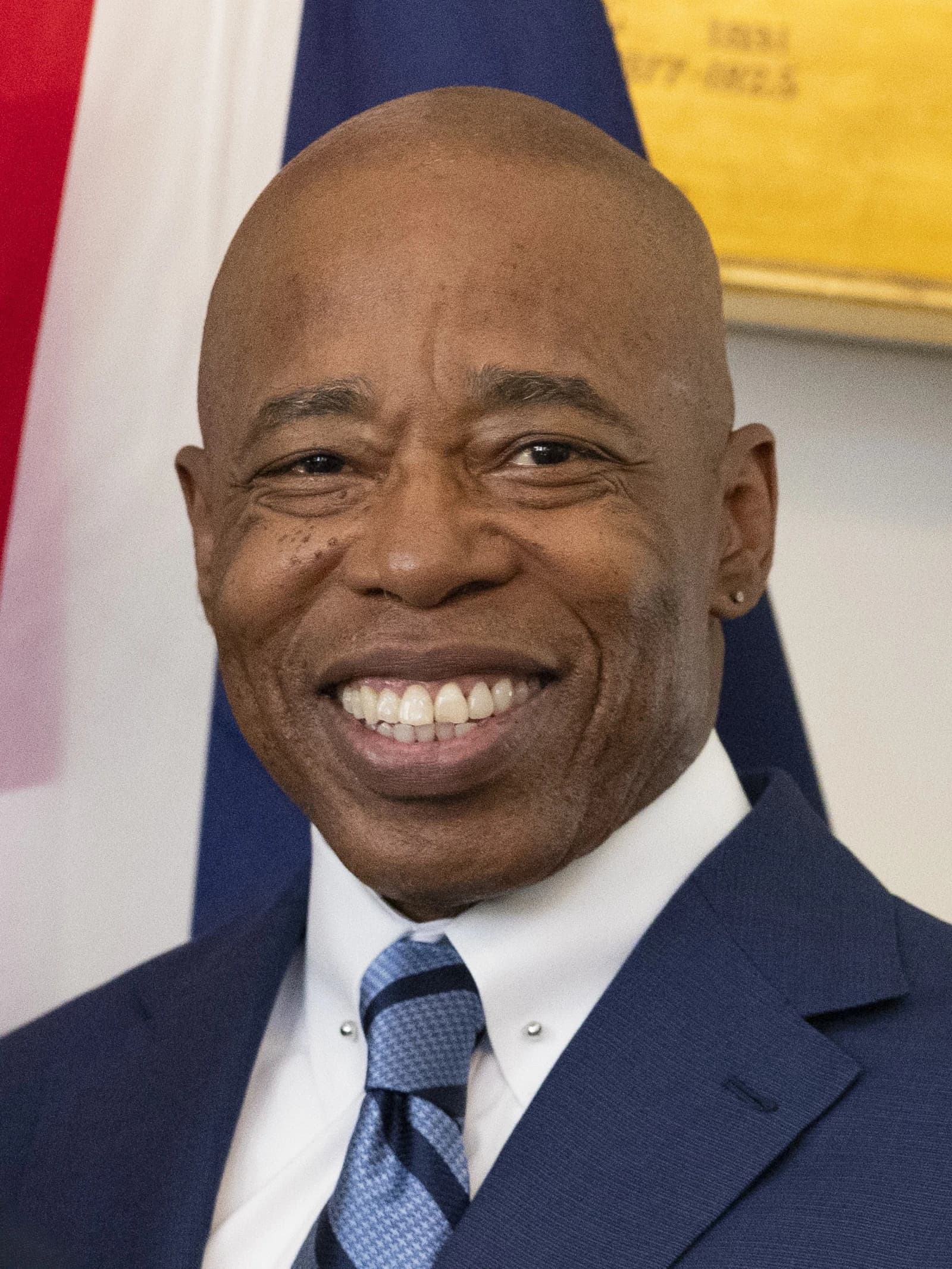
Mamdani shot back on X, calling the warning an example of corporate “greed.” City Council Speaker Julie Menin also accused Amazon of trying to intimidate lawmakers, saying the council is seeking worker protections without higher prices or job losses.
The legislation would require warehouse operators such as Amazon to obtain city licenses, meet new safety, training and employment standards and directly hire couriers now working through third-party contractors. Amazon says that would hit more than 40 local delivery businesses employing over 5,000 New Yorkers and could push it to move delivery operations outside the city.
For investors, the immediate issue is not just the dollar amount of a fee on a basket of goods, but the precedent. A successful city-level push to tighten labor and operating rules in a major metro would add another layer of regulatory cost for Amazon’s logistics network, just as the company keeps spending heavily on shipping and fulfillment.
Amazon has already been in conflict with New York officials this year over idling fines on delivery vehicles and sales of allegedly illegal e-bikes. The clash now lands just before Black Friday, when delivery volumes surge and any disruption to pricing, routing or customer perception carries outsized relevance for Amazon, competing retailers and last-mile operators.
| Entity | Gains | Losses |
|---|---|---|
| Amazon | ▲Avoids new compliance costs | ▼Faces higher labor and delivery expenses |
| NYC shoppers | ▲Potentially retain lower fees | ▼Risk of $5-per-order surcharge |
| Mamdani/City Council | ▲Worker-protection credibility | ▼Political pushback from Amazon |
| Small delivery contractors | ▲Status quo operations | ▼Risk of displacement or relocation |