Americans are turning to pantry staples, bottled water and backup supplies after a string of technology outages exposed how quickly air travel, banking and other basic services can be disrupted, a trend that is already feeding demand for retailers such as Costco as officials warn the interruptions may not be over.
Costco, Amazon Gain on Outage Preparedness Buying
The shift matters economically because it points to a small but broad-based change in household spending: rather than cutting back entirely, some consumers are re-allocating discretionary dollars toward preparedness goods. That can support sales for warehouse clubs, big-box chains and e-commerce platforms selling bulk essentials, even as it underscores a more fragile operating backdrop for industries that depend on uninterrupted digital systems.
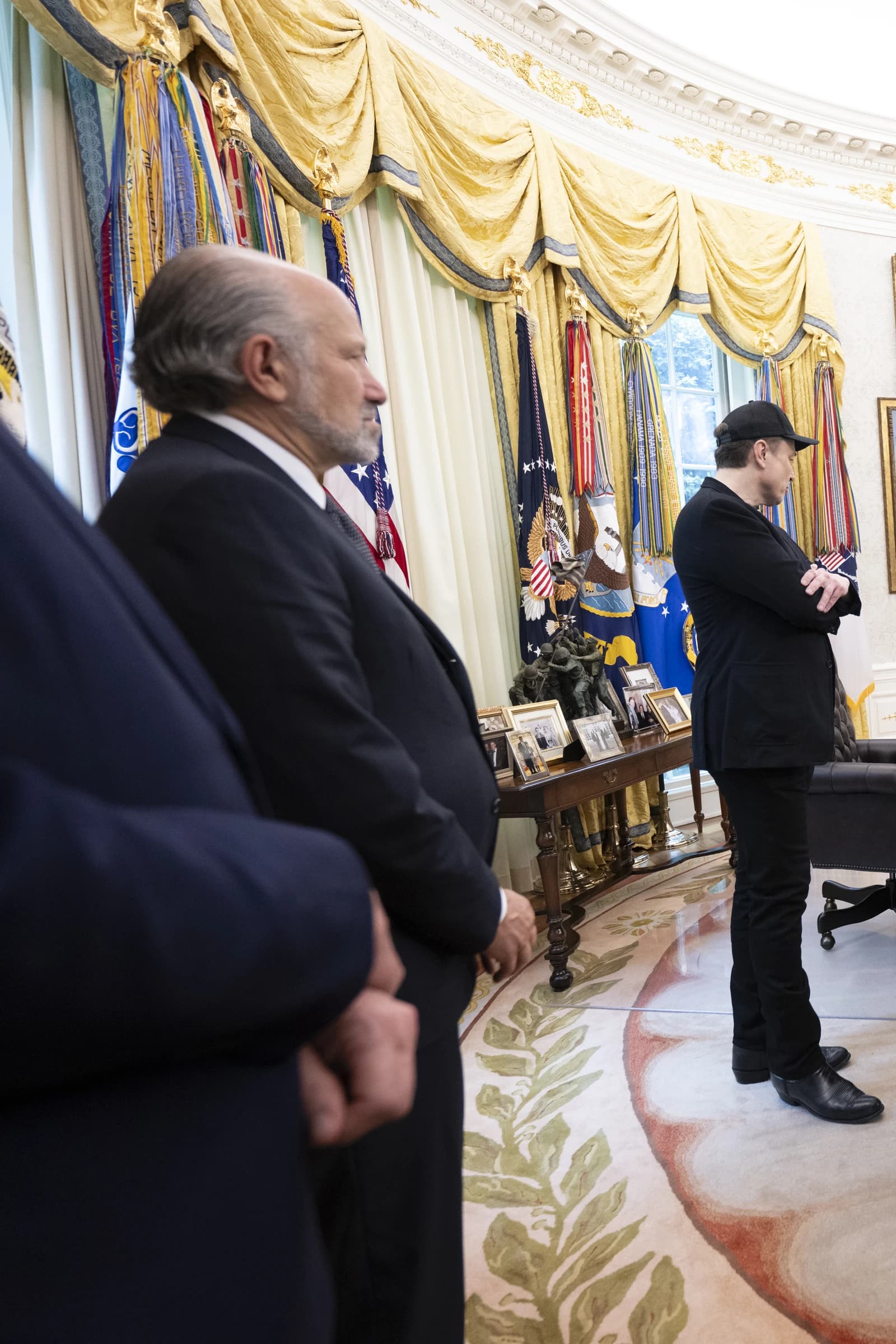
Director of National Intelligence Jay Clayton warned this week that Americans should expect “bumps in the road” as organizations replace aging technology, after outages hit air traffic control and banks. The comments reinforced the view that the problem is less about a one-off cyber event than about an infrastructure upgrade cycle that can create repeated service failures when legacy systems are patched or replaced. President Donald Trump has urged calm, while officials have said the outages appear tied to faulty software updates and system upgrades rather than a coordinated attack.
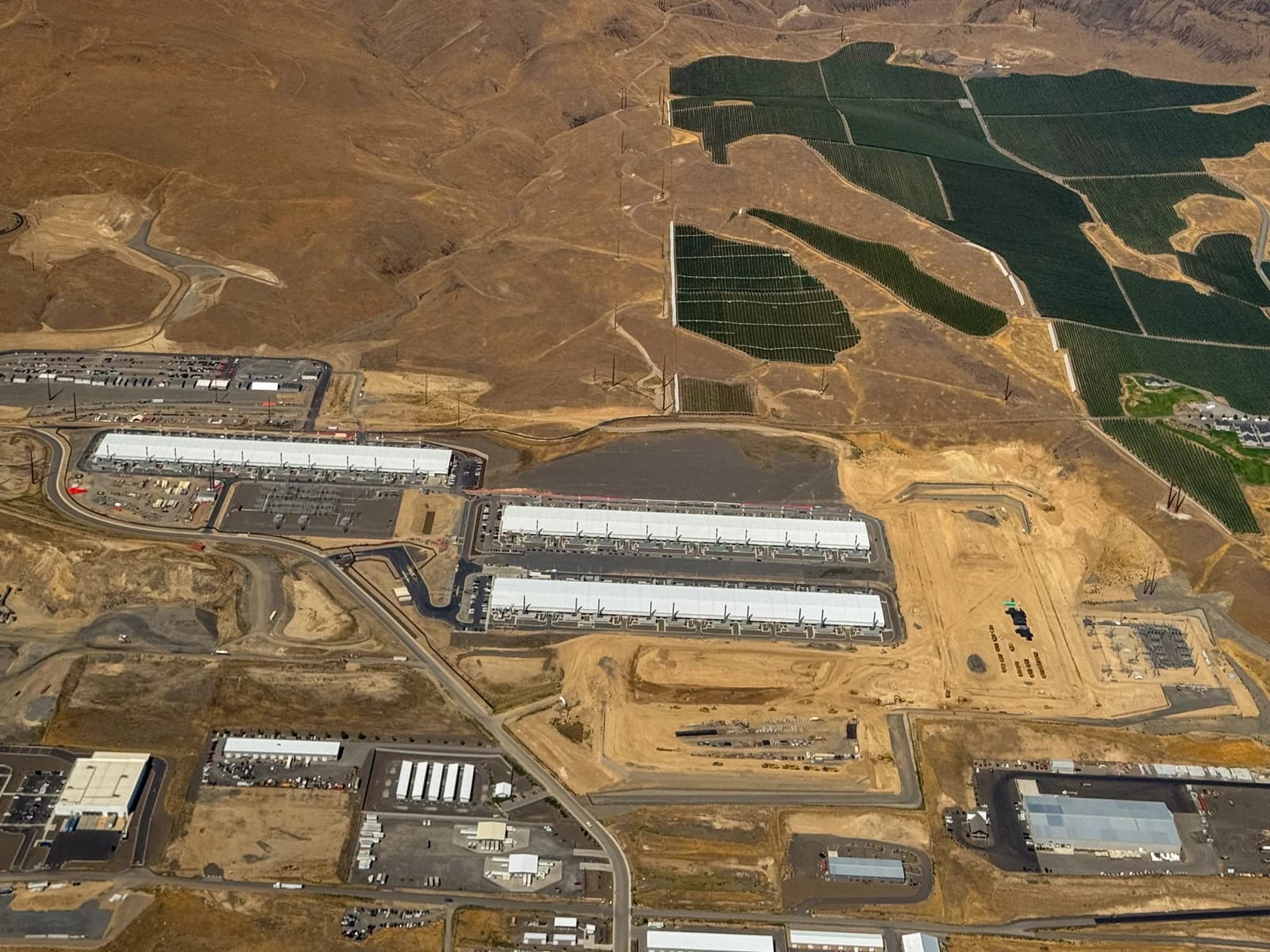
That distinction matters for markets. If the issue were a cyber campaign, investors would focus on emergency spending and security vendors; if it is an aging-systems problem, the larger opportunity sits with firms that can help customers harden networks, modernize cloud infrastructure and build redundancy. It also raises the near-term risk of more operational noise across travel, payments and logistics, sectors where even brief outages can hit revenue, raise costs and damage consumer confidence.
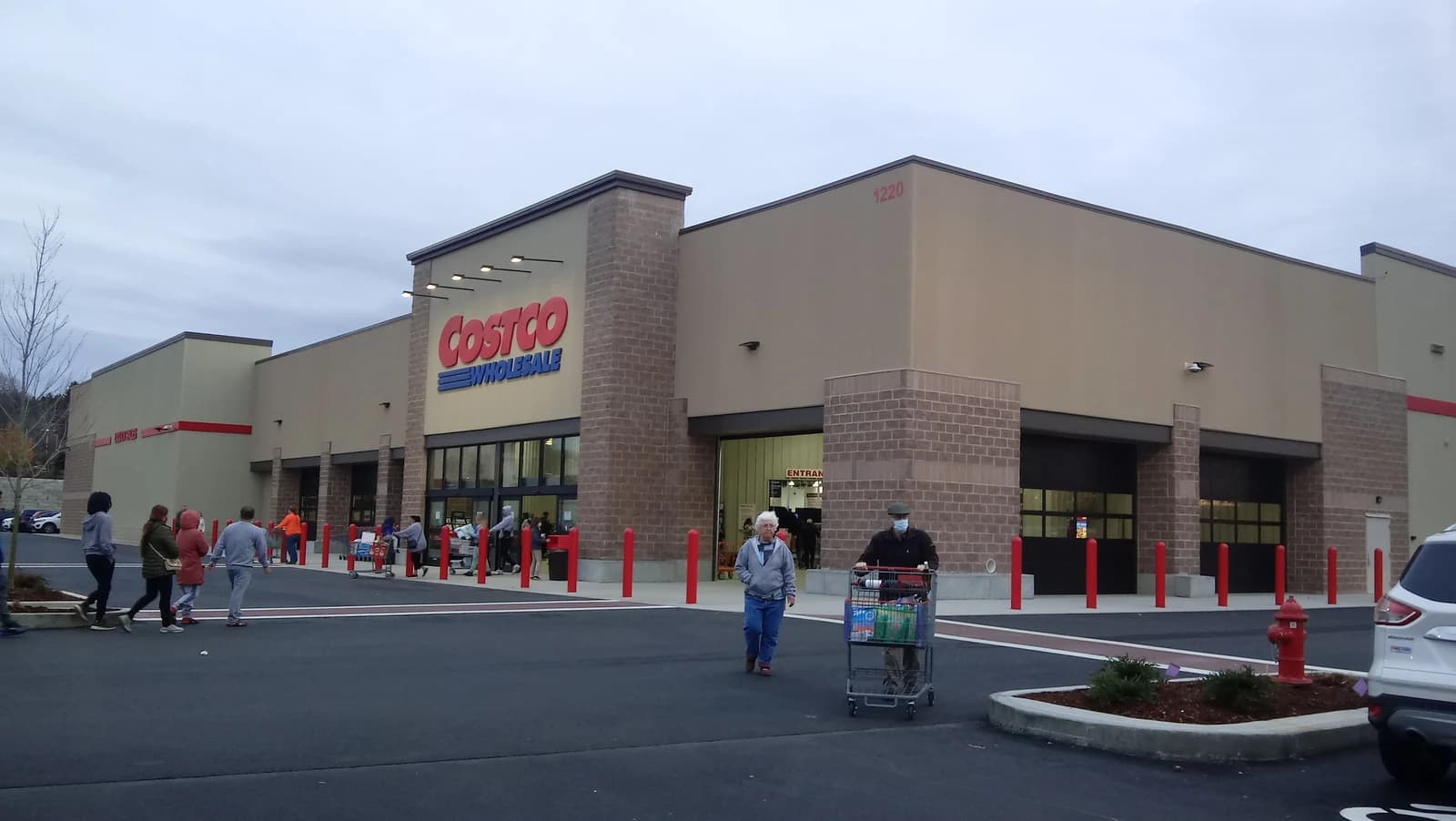
Costco is an immediate beneficiary in that environment. The warehouse club’s shares closed at $1,091.71 on Tuesday, up sharply from levels earlier in the year and well above its 50-day moving average of $993.22, reflecting investor confidence that it can capture demand for bulk essentials as households stock up. Momentum has been strong, with the stock still trading near the upper end of its recent range despite an elevated RSI reading of 67.4, a sign the rally has run hot but has not yet broken down.
Amazon stands to gain as well if preparedness buying extends online, especially for packaged food, household goods and electronics sold through its marketplace. Its shares were at $252.29, near the 50-day moving average of $255.15 and above the 200-day average of $245.59, suggesting the market still sees it as a core beneficiary of resilient consumer spending even after recent volatility. Microsoft is less directly exposed to emergency-prep demand, but the outages highlight why customers and governments may accelerate investment in cloud resilience, backup systems and enterprise software modernization — areas where the company can benefit if firms spend to reduce dependency on fragile legacy setups.
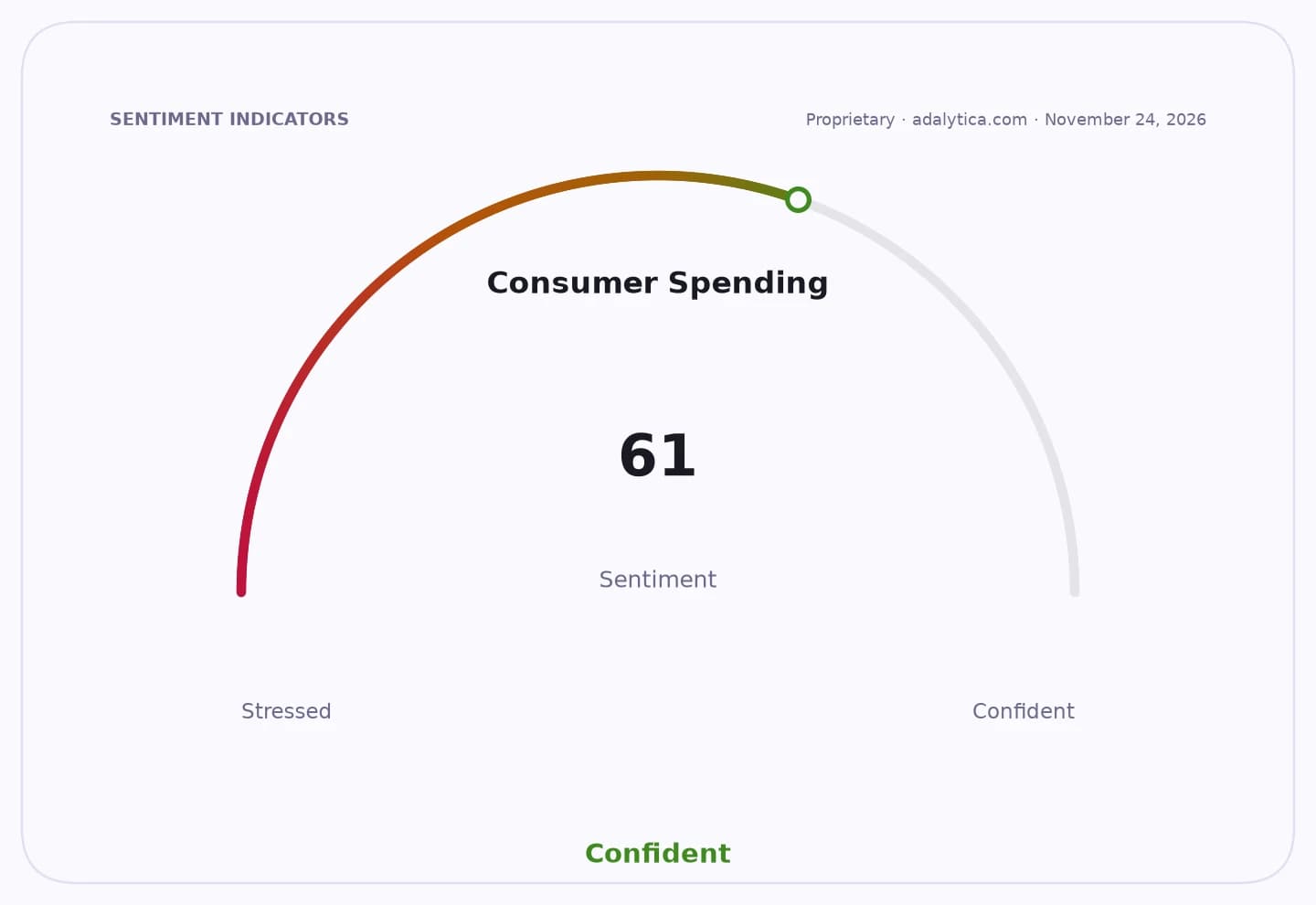
The broader market backdrop remains cautious. Adalytica’s S&P 500 trade signals showed sentiment in “Extreme Fear” even as awareness stayed in “Extreme Greed,” a combination that suggests investors are highly alert to the outage theme but not yet convinced it will become a durable macro shock. For now, that favors defensive retailers and infrastructure suppliers over the most outage-sensitive businesses.
The key question is whether the current wave of disruptions becomes a recurring feature of the transition away from aging systems. If it does, preparedness spending could prove sticky and modernization budgets could rise. If outages fade after patch cycles complete, the trade will likely narrow back to a short-lived consumption bump and a temporary boost for companies selling resilience, redundancy and essentials.
| Entity | Gains | Losses |
|---|---|---|
| Costco | ▲Bulk essentials demand | ▼Price-sensitive shoppers |
| Amazon | ▲Online preparedness sales | ▼Outage-hit service users |
| Microsoft | ▲Cloud modernization spend | ▼Legacy-system operators |
| Banks and airlines | ▲None | ▼Service reliability, customer trust |