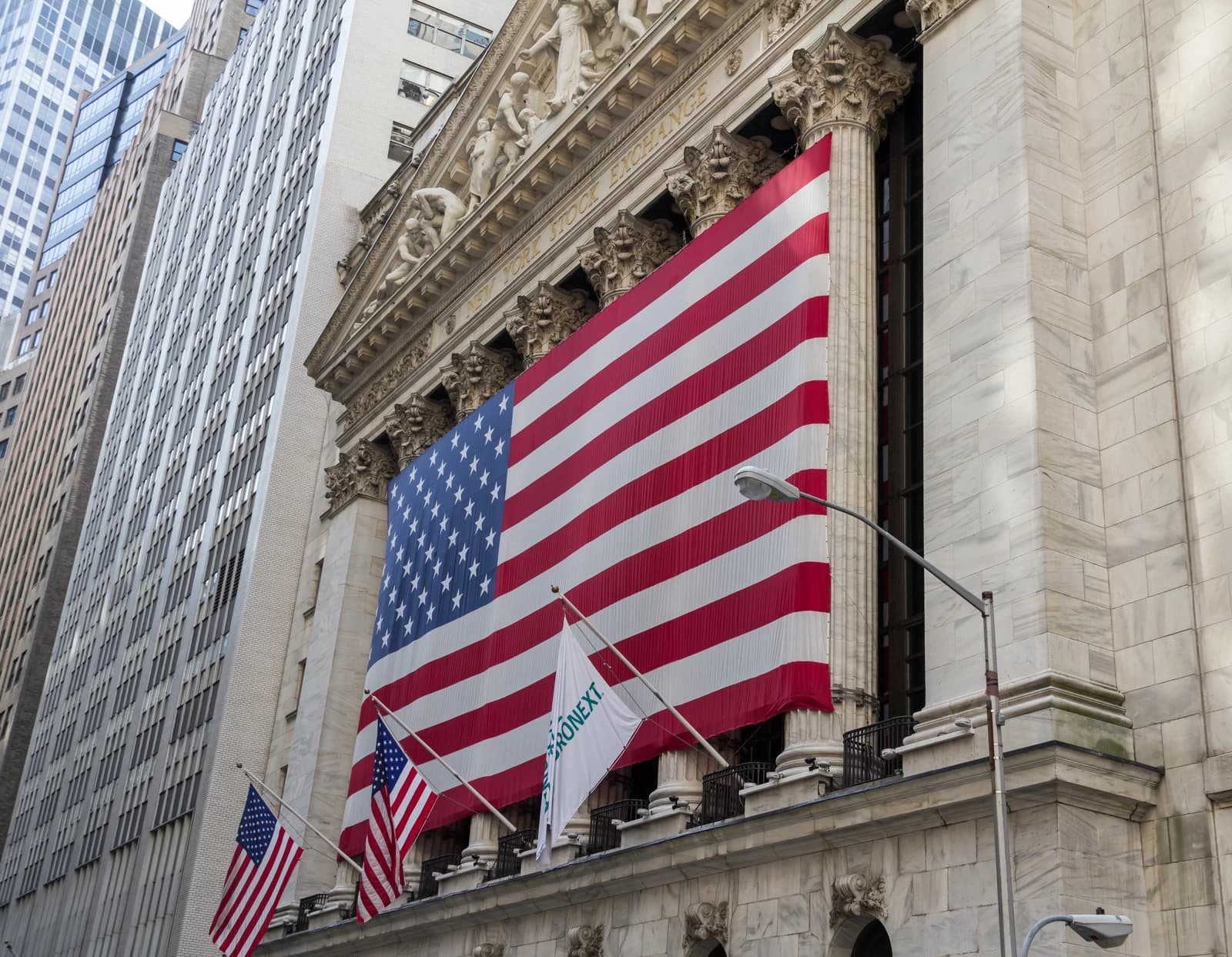
Swift assurances from U.S. officials that a wave of nationwide outages was not the result of a cyberattack may be premature, and that matters because misdiagnosing the cause can leave critical systems exposed to the next disruption.
Microsoft, JPMorgan Slip After Outage Fears
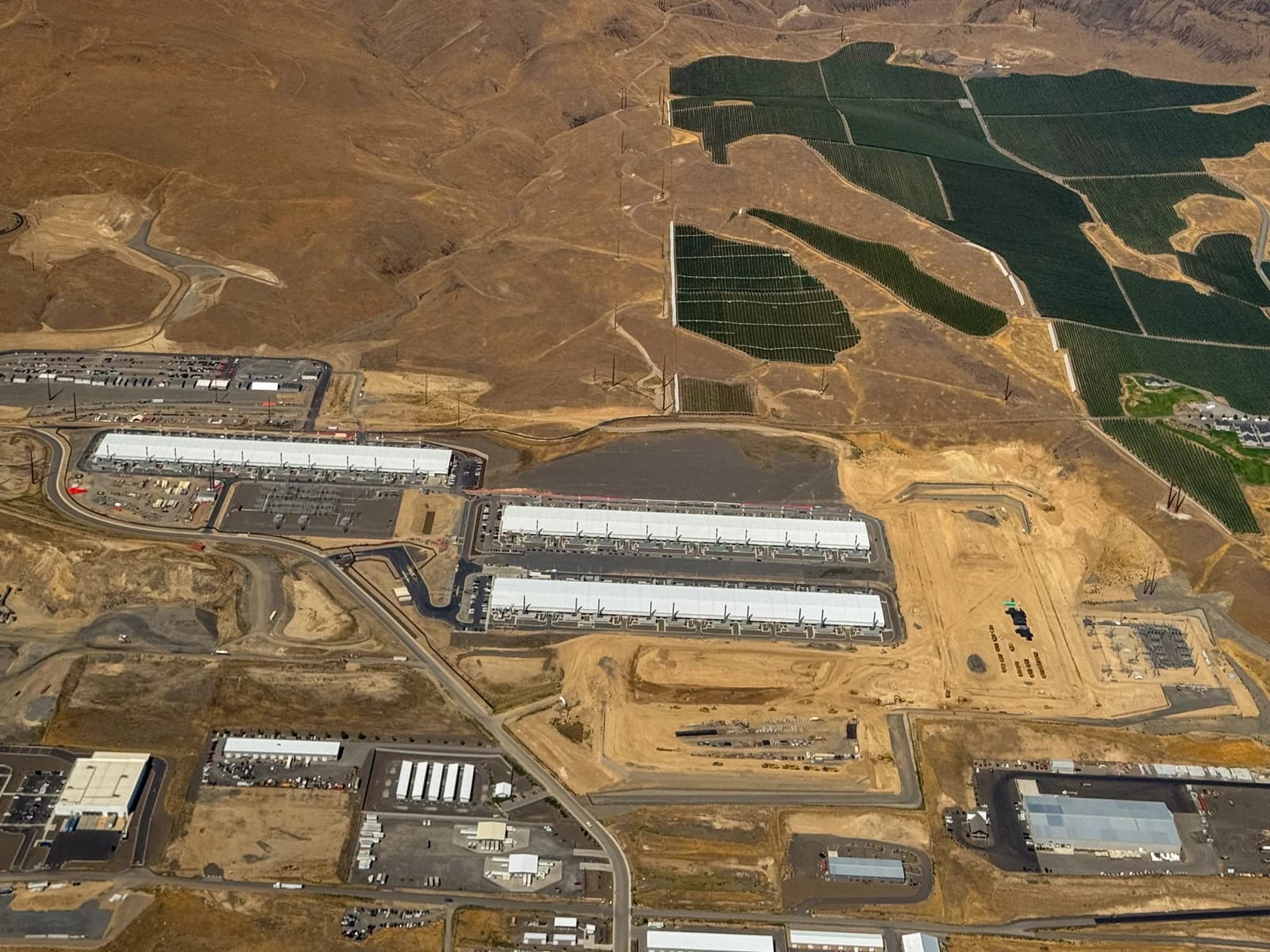
The warning from SMET CEO Danny Cooper comes as disruptions hit major financial and technology systems, including JPMorgan Chase and Microsoft, and forced an air-travel ground stop, intensifying concern about how resilient U.S. infrastructure really is. The immediate market impact has been muted in the broader index, but the episode is a reminder that operational failures at scale can quickly translate into economic damage, regulatory scrutiny and higher security spending.
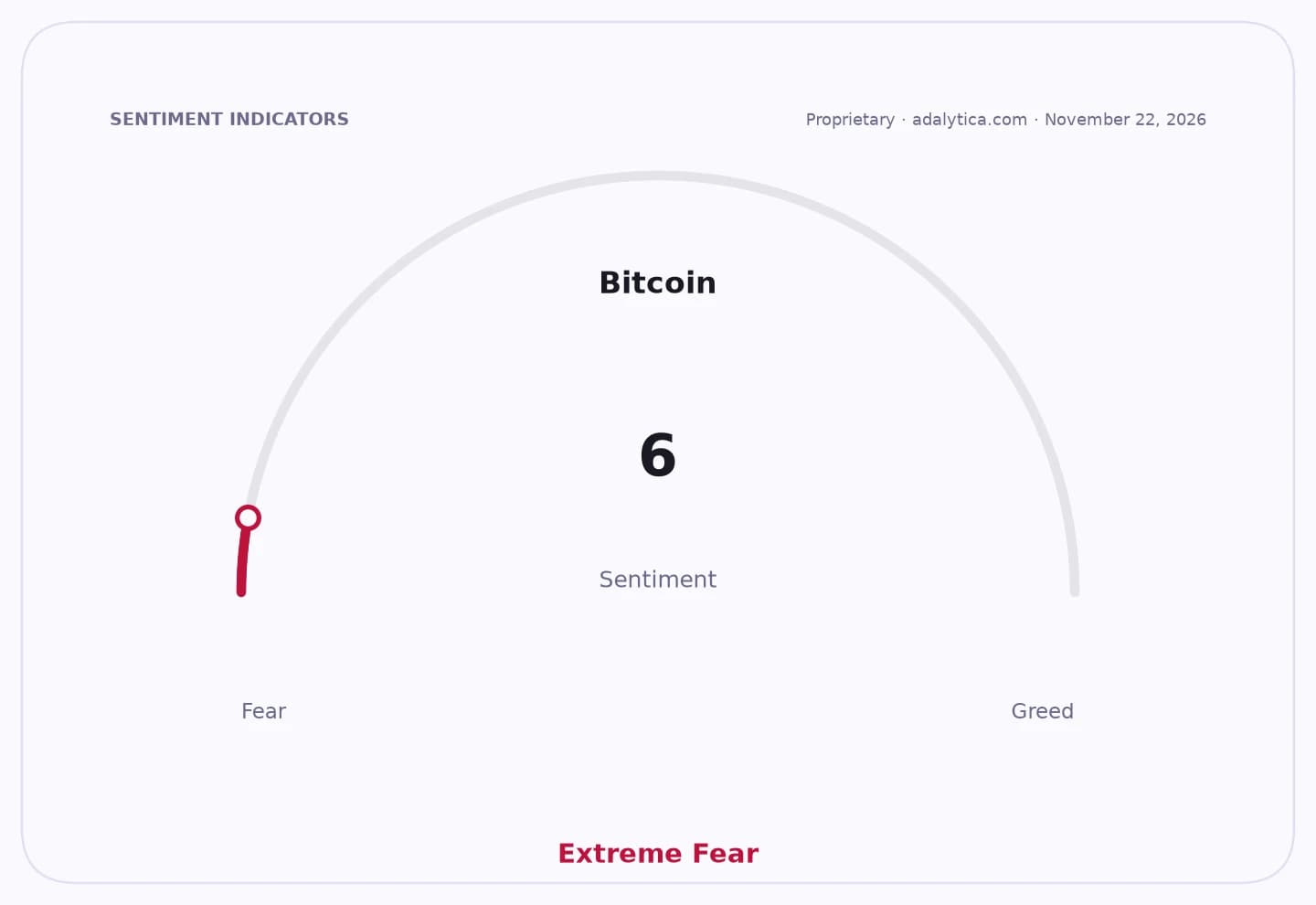
Sentiment Indicators
Investors should care because the difference between a software patching problem and a coordinated attack is not just semantics. If the outages were driven by systemic vulnerabilities in third-party technology or cloud infrastructure, banks, airlines and software providers could face follow-on costs from remediation, legal exposure and tougher oversight. If they were the product of malicious activity, the implications widen to national security, business continuity and the valuation discount investors may attach to companies with concentrated operational dependencies.
Microsoft shares have fallen sharply in recent sessions, with the stock closing at $484.52 on Friday after trading above $500 earlier in the month, while JPMorgan closed at $310.53, down from more than $350 earlier in November. Those moves reflect a broader market where technical damage has already appeared: Microsoft’s relative strength index has dropped to 31.9, near oversold territory, and JPMorgan’s RSI stands at 31.9 as well, suggesting investors are becoming more cautious even before any definitive explanation for the outages.
S&P 500
The deeper issue is the fragility of modern financial and digital plumbing. Banks, software vendors and airlines all rely on tightly interconnected systems, many of them run by third parties. That makes the economy more efficient in normal times, but it also means a single failure can cascade across sectors, halting payments, disrupting services and grounding flights within hours. The risk is especially acute when officials move quickly to rule out hostile action before forensic reviews are complete.
For investors, the immediate watch points are whether the outages trigger fresh disclosure from affected companies, whether regulators press for more disclosure on operational risk, and whether cybersecurity budgets rise further as firms try to harden systems against both accidental failures and deliberate intrusions. The likely bull case is that this proves to be a contained operational problem with limited financial fallout. The bear case is that it exposes a broader vulnerability in the digital backbone of U.S. commerce, which would support higher compliance costs and a larger risk premium across technology, banking and transportation names.
| Entity | Gains | Losses |
|---|---|---|
| Cybersecurity vendors | ▲Higher demand for defenses | ▼— |
| Banks and airlines | ▲— | ▼Operational risk scrutiny |
| Microsoft | ▲Potential resilience spending boost | ▼Reputation and outage risk |
| JPMorgan Chase | ▲Potential stronger controls | ▼Downtime and compliance costs |