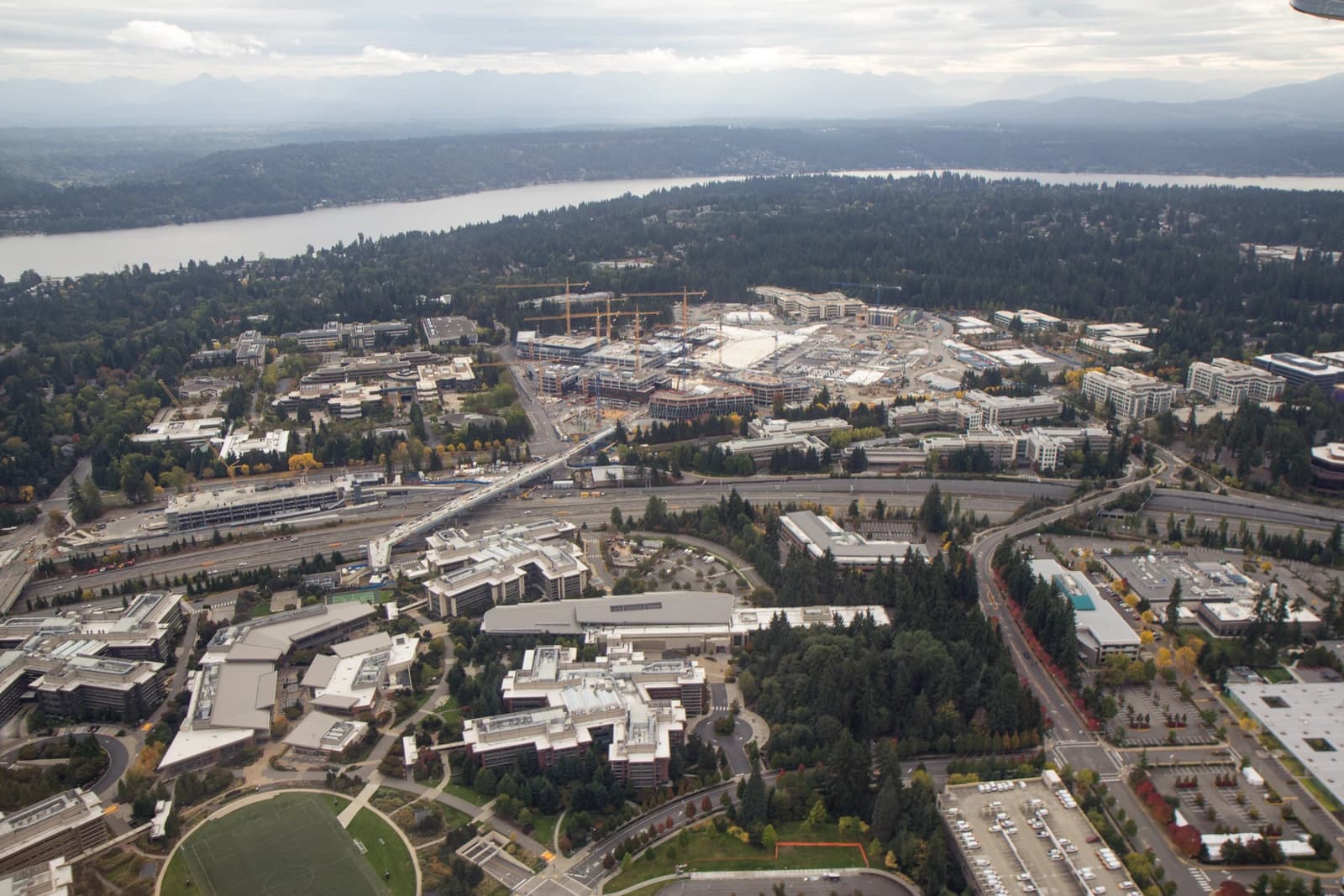
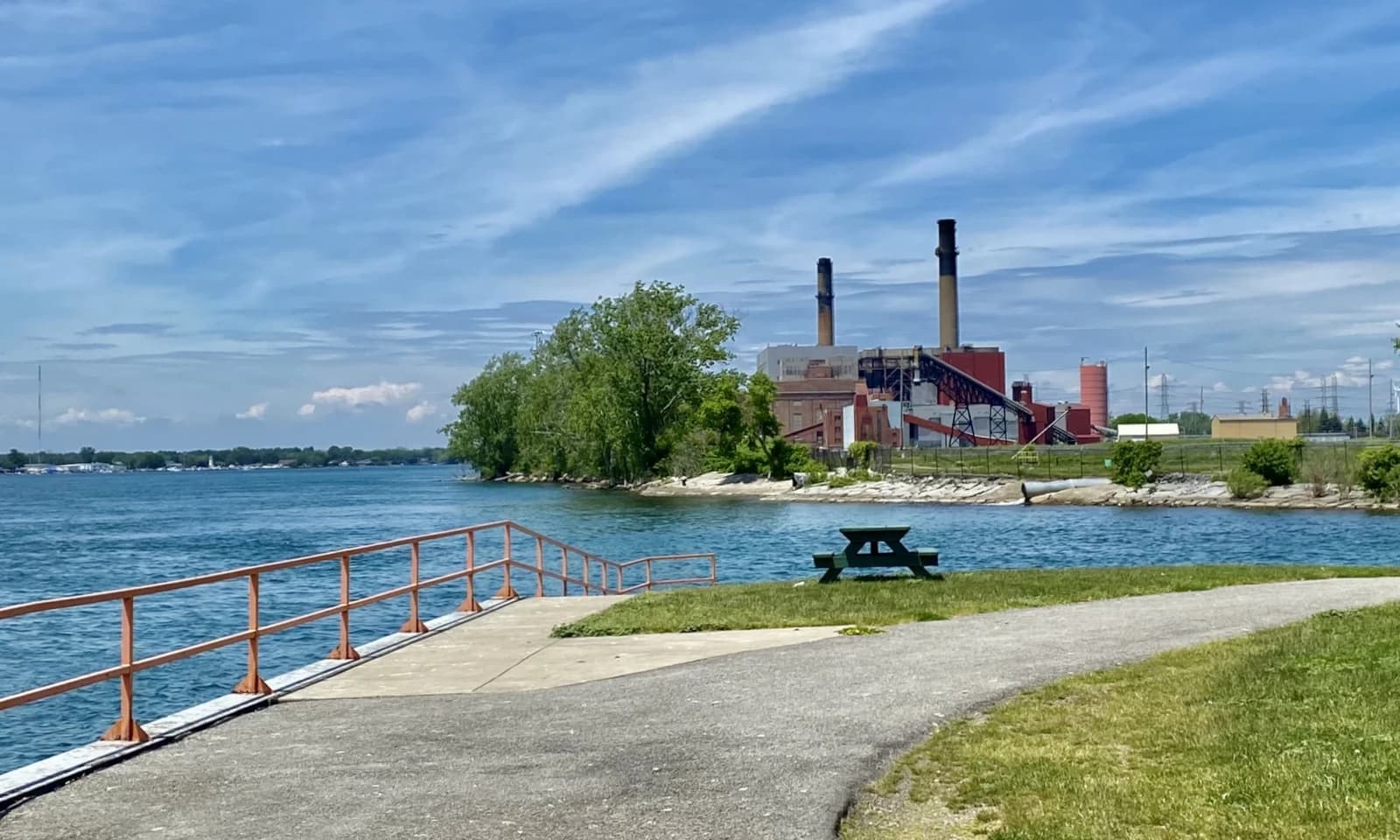
Critical infrastructure is becoming one of the market’s most important long-term investment themes because the same forces that make these assets essential — reliability, regulation and national security — are now forcing companies to spend heavily just to keep the lights on.
NextEra, Equinix and HCA in critical infrastructure
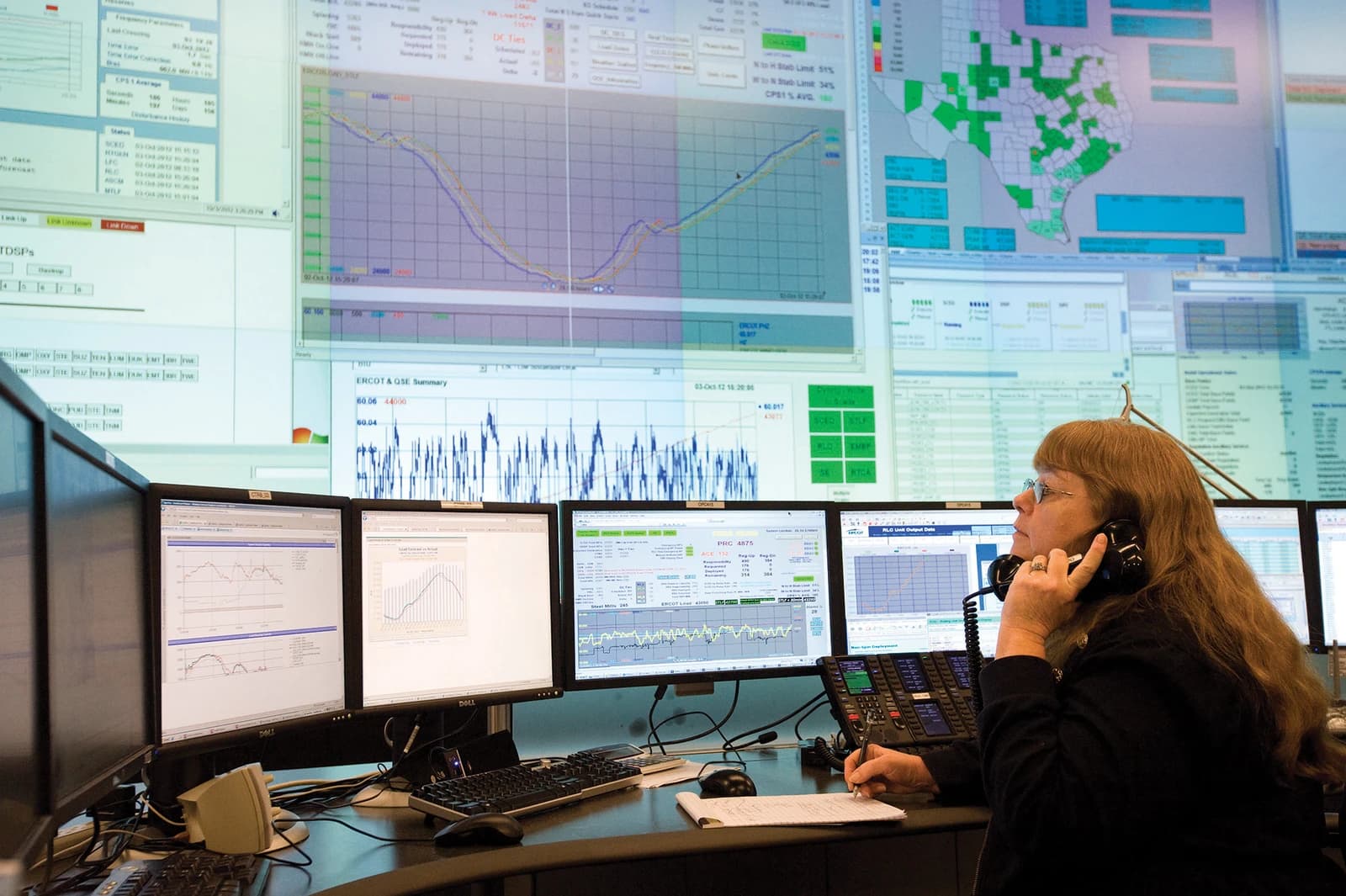
That matters because the market for power, water, healthcare and data-center infrastructure is no longer about ordinary capital spending. It is about protecting systems that can’t fail. As grids grow more complex, data centers multiply and cyberattacks become more sophisticated, operators are being pushed toward resilient platforms that can keep running even when something goes wrong. In other words, investors are not just financing growth. They are financing continuity.
Sentiment Indicators
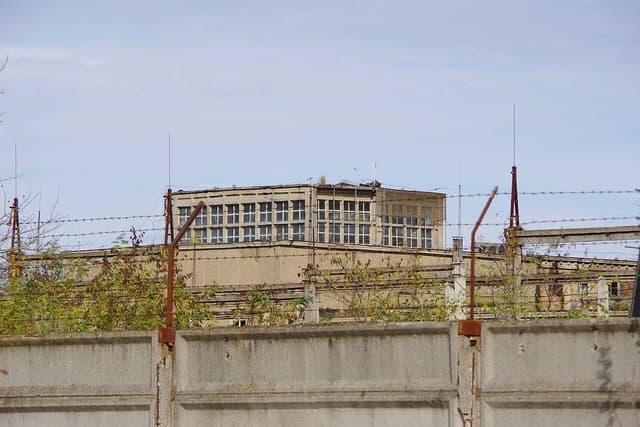
The difference shows up in the way these businesses operate. Critical infrastructure assets are often geographically dispersed, full of legacy equipment and tied to long replacement cycles. A utility, hospital network or data center operator cannot simply rip out old systems and start over. That creates a durable demand for upgrades in segmentation, monitoring, access control and recovery tools — the kind of spending that tends to recur over years rather than quarters.
It also explains why the security stack in these environments is changing. Operators are demanding unified physical and cyber systems, stronger cryptography, trusted hardware and full audit trails because the threat landscape is harsher than in most industries. The expectation is not perfection. It is resilience. For vendors, that shifts the selling proposition away from flashy features and toward uptime, interoperability and compliance. A product that introduces downtime or operational complexity can be a liability, not an upgrade.
For investors, that is a powerful setup. It creates a long runway for companies that sit at the intersection of electrification, digitalization and national security. NextEra Energy, for example, has continued to expand data-center electric service agreements, underscoring how artificial intelligence and cloud demand are translating into real utility demand. Equinix, one of the largest data-center operators, says regulators increasingly recognize data centers as essential to the stability of digitalized critical services such as national security, healthcare and banking. That kind of language is important because it suggests these assets are moving from niche infrastructure to strategic necessity.
The market has already noticed. NextEra shares recently traded around $83.82, below the stock’s 200-day moving average of about $86.50, while Equinix hovered near $1,026, only slightly below its 200-day line. Healthcare operator HCA has been far more volatile, with shares falling from above $500 to about $462 after touching the low $500s earlier in the year. The broader message is not that every critical infrastructure stock is a straight line higher. It is that investors are still pricing in a lot of moving parts — interest rates, capex intensity and regulatory risk — even as the structural demand story remains intact.
That is why this space rewards patience more than trading. The winners are likely to be the companies that can turn resilience into a business model: utilities that can finance the grid buildout, data-center owners that can secure scarce power, and healthcare operators that can keep systems running under pressure. The losers are those that treat critical infrastructure like a one-off capital project instead of an ongoing operating discipline.
For long-term investors, the takeaway is simple: this is a secular buildout, not a temporary theme. The best approach is to focus on companies with strong balance sheets, recurring demand and a track record of executing through regulation, outages and cyber risk. In a world that depends more and more on always-on systems, critical infrastructure looks worth watching — and, for patient investors, worth owning.
| Entity | Gains | Losses |
|---|---|---|
| Utilities and grid operators | ▲Higher long-term capex demand | ▼Legacy system risk |
| Data-center owners | ▲Strategic importance, contracted growth | ▼Power and outage exposure |
| Security vendors | ▲Recurring resilience spending | ▼Commodity-like installers |
| Patients, customers, communities | ▲Better reliability over time | ▼Service disruptions when systems fail |