The cloud is no longer just a technology story — it is becoming a cost, carbon and competition problem that investors cannot ignore.
Cloud costs rise with AI data center demand
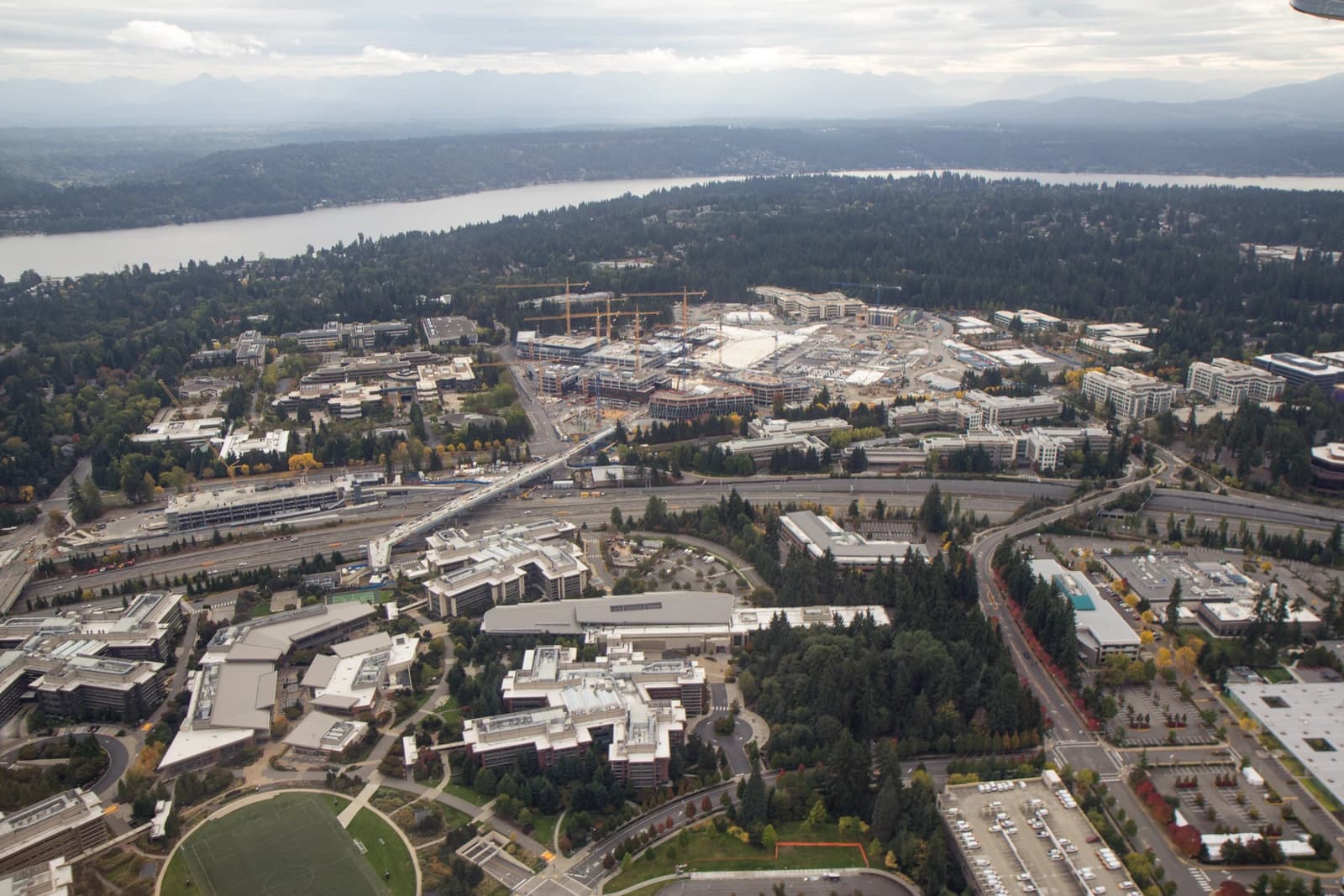
As governments gather around COP31 and regulators sharpen their focus on digital infrastructure, the real issue is not whether Microsoft, Amazon and Alphabet can keep scaling their cloud empires. It is that the economic bill for dependence on a few dominant platforms is rising fast, from electricity and cooling to hardware refresh cycles, migration costs and emissions exposure.
Sentiment Indicators

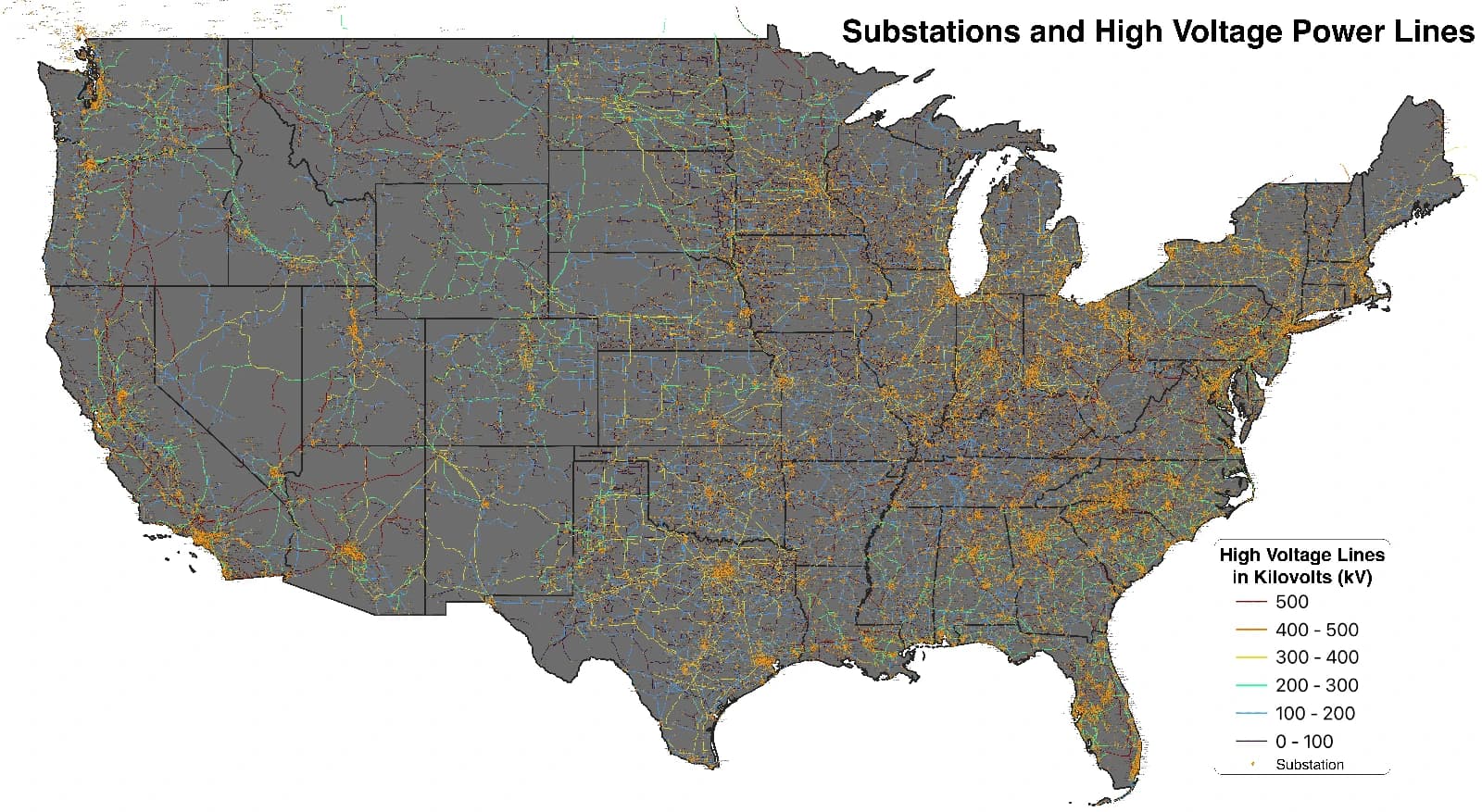
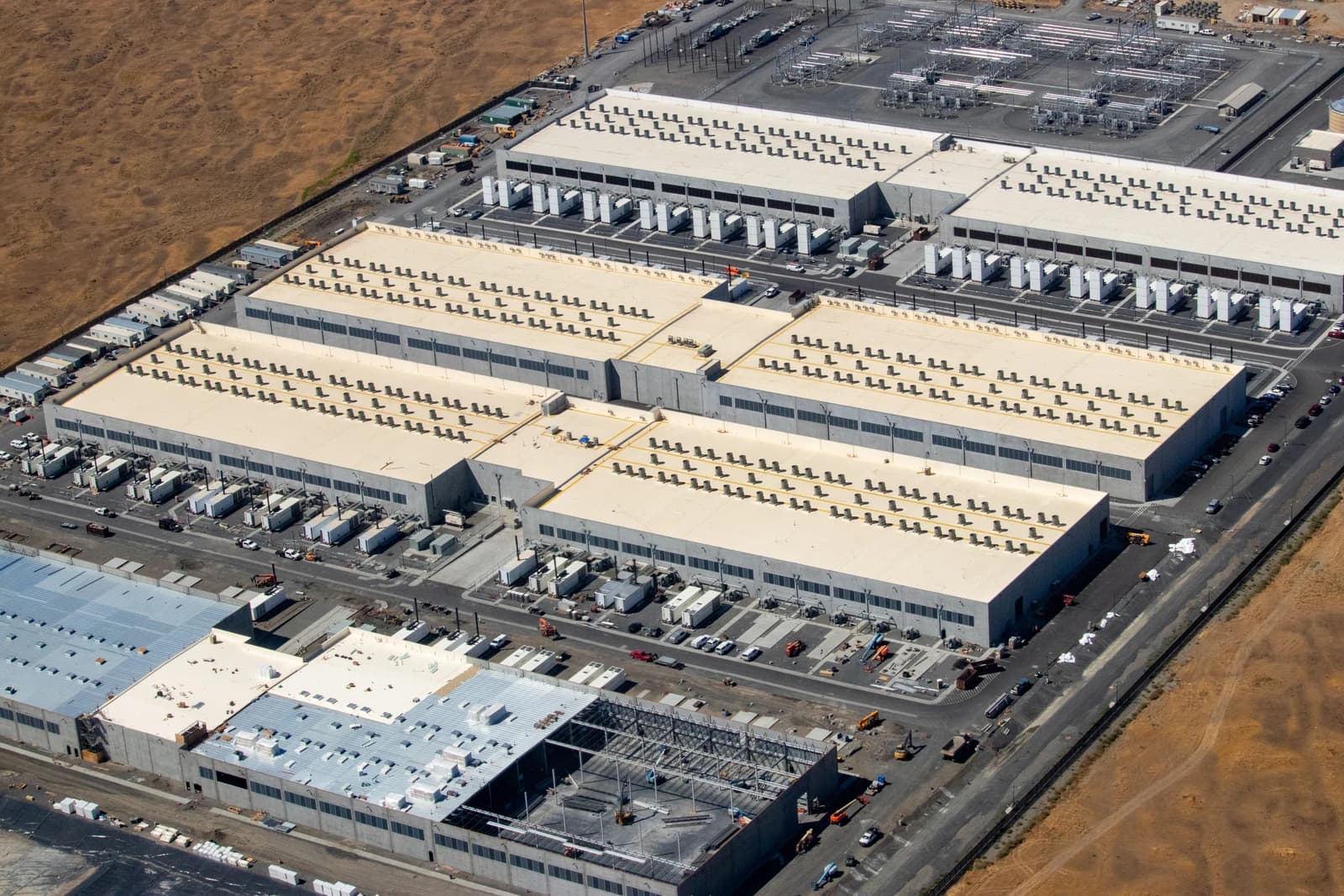
That matters because the cloud is the plumbing of the modern economy. The International Energy Agency says data centres used 415 terawatt-hours of electricity in 2024, or about 1.5% of global demand, and could consume 945 terawatt-hours by 2030 as AI workloads multiply. This is not a marginal environmental footnote. It is a capital-allocation shift that pulls power, land, chips, water and grid investment toward hyperscale infrastructure, while also pushing up the embedded carbon footprint of digital growth.
Microsoft’s own sustainability reporting shows the tension. The company said its emissions rose 25% year on year in 2025, largely because of data-centre expansion and changes in renewable-energy certificate accounting. At the same time, Windows 10 support ended in October 2025, creating a familiar but underappreciated problem: software cycles force companies to replace still-functional hardware, generating more e-waste and more spending just to remain compatible.
Artificial Intelligence
The scale of that waste is already alarming. The UN’s Global E-waste Monitor says the world produced 62 million metric tonnes of e-waste in 2022, with only 22.3% formally collected and recycled. That is the hidden cost of the digital economy investors rarely price in when they focus on cloud growth rates and AI adoption.
This is where the investment case gets interesting. The market has tended to treat cloud dominance as a simple winner-take-all trade. Our view is that the next phase is about who absorbs the frictions of that dominance. The beneficiaries are still the hyperscalers, but the most attractive opportunity may sit in the picks-and-shovels around them: power generation, grid equipment, cooling systems, data-centre real estate, efficiency software and repairable hardware. The losers are the businesses and institutions trapped in proprietary ecosystems that make switching expensive and slow.
That lock-in is becoming a policy issue too. The UK’s Competition and Markets Authority has moved to investigate Microsoft’s business software ecosystem, while cloud providers including Microsoft Azure and Amazon Web Services have taken steps to reduce data-transfer charges and improve interoperability. Those moves do not end switching costs, but they show regulators understand the leverage embedded in cloud platforms.
For investors, the practical takeaway is clear: the AI and cloud boom is not just a software multiple story. It is a multi-year infrastructure buildout with embedded carbon, power and replacement costs that will redirect spending across the economy. The market underestimates how much value will accrue to the companies that make cloud usage cheaper, cleaner and more portable — and how much pressure will build on incumbents that depend on lock-in rather than openness.
| Entity | Gains | Losses |
|---|---|---|
| Hyperscalers | ▲Higher cloud demand | ▼Rising power and carbon scrutiny |
| Grid and cooling suppliers | ▲More data-centre capex | ▼Cyclical hardware buyers |
| Regulated cloud customers | ▲More interoperability | ▼Lock-in and migration costs |
| Hardware recyclers | ▲More e-waste volume | ▼Device makers facing replacement pressure |