AI data centers are colliding with the most basic constraint in the artificial-intelligence boom: electricity, and Bloom Energy says it can sell them a way around it.
Bloom Energy and AI data centers power demand
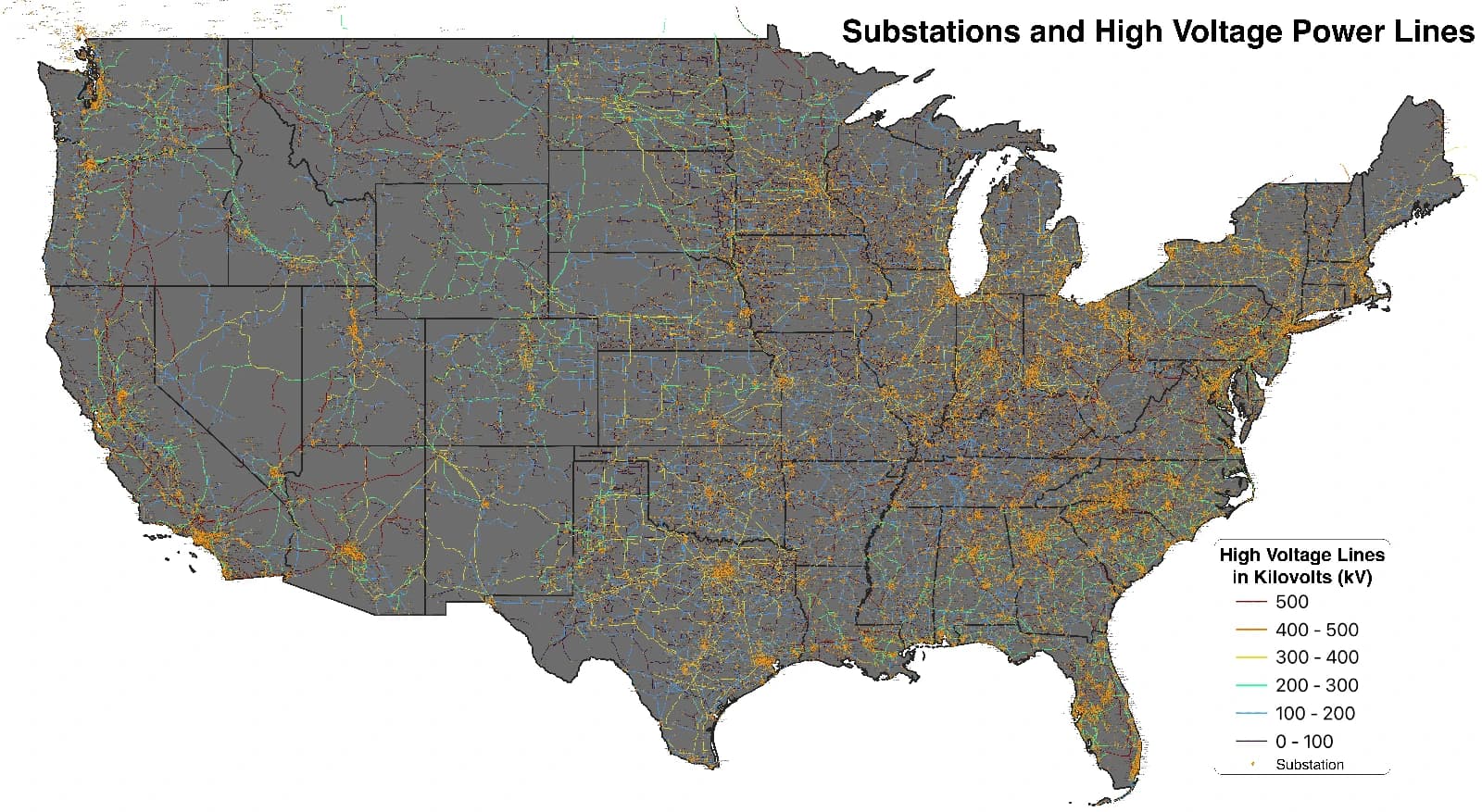
That matters because the bottleneck is no longer chips or software alone. The next phase of AI buildout is turning into an infrastructure race, and the companies that can deliver power faster than the utility grid can connect will have the upper hand. For operators facing years-long waits for interconnection, the ability to deploy on-site generation can be the difference between opening a campus in 2027 and missing the cycle entirely.
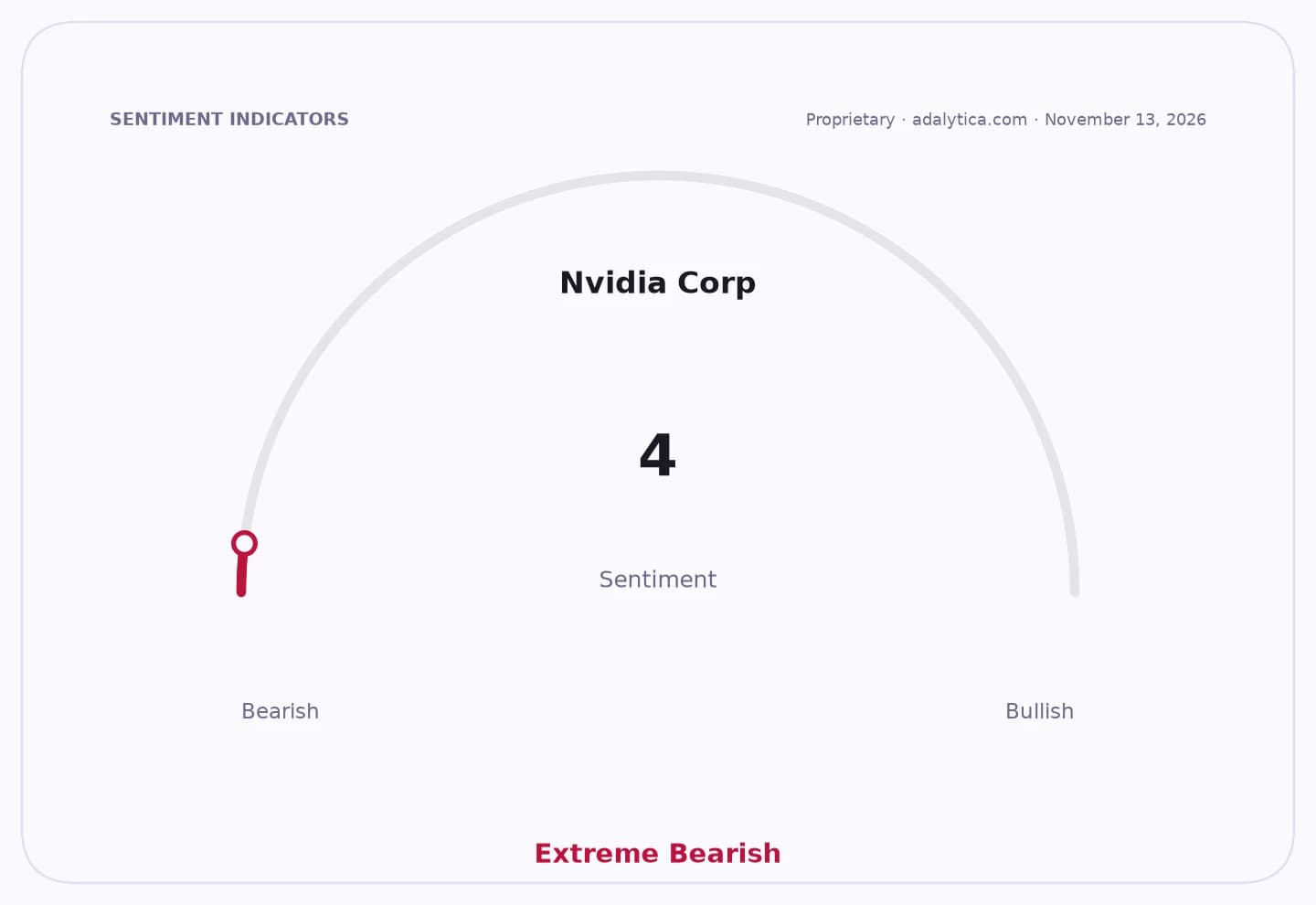
Sentiment Indicators
The backdrop is stark. U.S. industrial production is still grinding higher, but 10-year Treasury yields are around 5.17% and 2-year yields near 4.85%, a reminder that capital is expensive and energy-intensive projects must clear a higher hurdle rate. At the same time, data centers are already consuming a growing share of U.S. electricity, and the pressure only rises as hyperscalers pour billions into AI infrastructure. Amazon is leaning into nuclear power, Meta is adding large solar projects and Google has disclosed tens of billions of dollars of obligations tied to data-center and energy-supply infrastructure. Bloom’s pitch is that customers do not need to wait for all of that to catch up.
For investors, that creates a clear asymmetry. The market is still treating power infrastructure as a slow-moving utility theme, but AI has made it an urgency trade. Bloom sits in the path of that spending as a “picks-and-shovels” beneficiary if builders decide speed matters more than cheap grid power. Its stock has been battered — down to $170.98 in the latest session from a recent 2026 high above $500 — but that kind of volatility is exactly what you see when a stock is repricing around a new growth narrative rather than a mature business model.
The technical picture underscores the disconnect. Bloom is trading well below its 50-day moving average of about $238.50 and under its 200-day average near $223.76, while RSI readings around 36 point to a stock that is still weak, not overheated. In other words, the market has not yet embraced the possibility that AI power demand becomes a multiyear revenue engine for distributed generation, fuel cells and behind-the-meter systems.
That is where the investment case gets interesting. If grid delays persist — and there is little reason to think they disappear soon — the winners are the companies that can monetize speed, reliability and site-level energy independence. Bloom does not need every data center to abandon the grid; it only needs enough operators to decide waiting is more expensive than building now. That is a powerful catalyst in a market still underestimating how quickly AI capex can migrate from semiconductors to energy infrastructure.
The next leg of the AI trade may not be another GPU shortage. It may be the scramble to power the boxes already ordered. On that front, Bloom Energy is one of the names to watch closely, and dip buyers are getting a rare chance to position before the grid bottleneck becomes fully priced in.
| Entity | Gains | Losses |
|---|---|---|
| Bloom Energy | ▲Faster demand from AI data centers | ▼Reliance on slower grid buildout |
| AI data-center operators | ▲Quicker power deployment | ▼Less dependence on utilities |
| Utilities/grid operators | ▲Higher urgency for upgrades | ▼Interconnection bottlenecks exposed |
| Grid-only rivals | ▲— | ▼Lose share to on-site power solutions |