AIQ is trying to turn oil and gas artificial intelligence from a niche efficiency play into a broader industry standard, and that matters because the sector is still under pressure to produce more with less while keeping a lid on costs, emissions and geopolitical risk.
AIQ Oil and Gas AI Adoption Outlook
For investors, the key point is not that AI is coming to energy — that part is already underway — but that the competitive race is shifting toward whoever can make digital tools stick across drilling, production and asset management. In a business where small gains in uptime, reservoir performance and maintenance can translate into meaningful cash flow, AI adoption can widen margins even when commodity prices wobble.
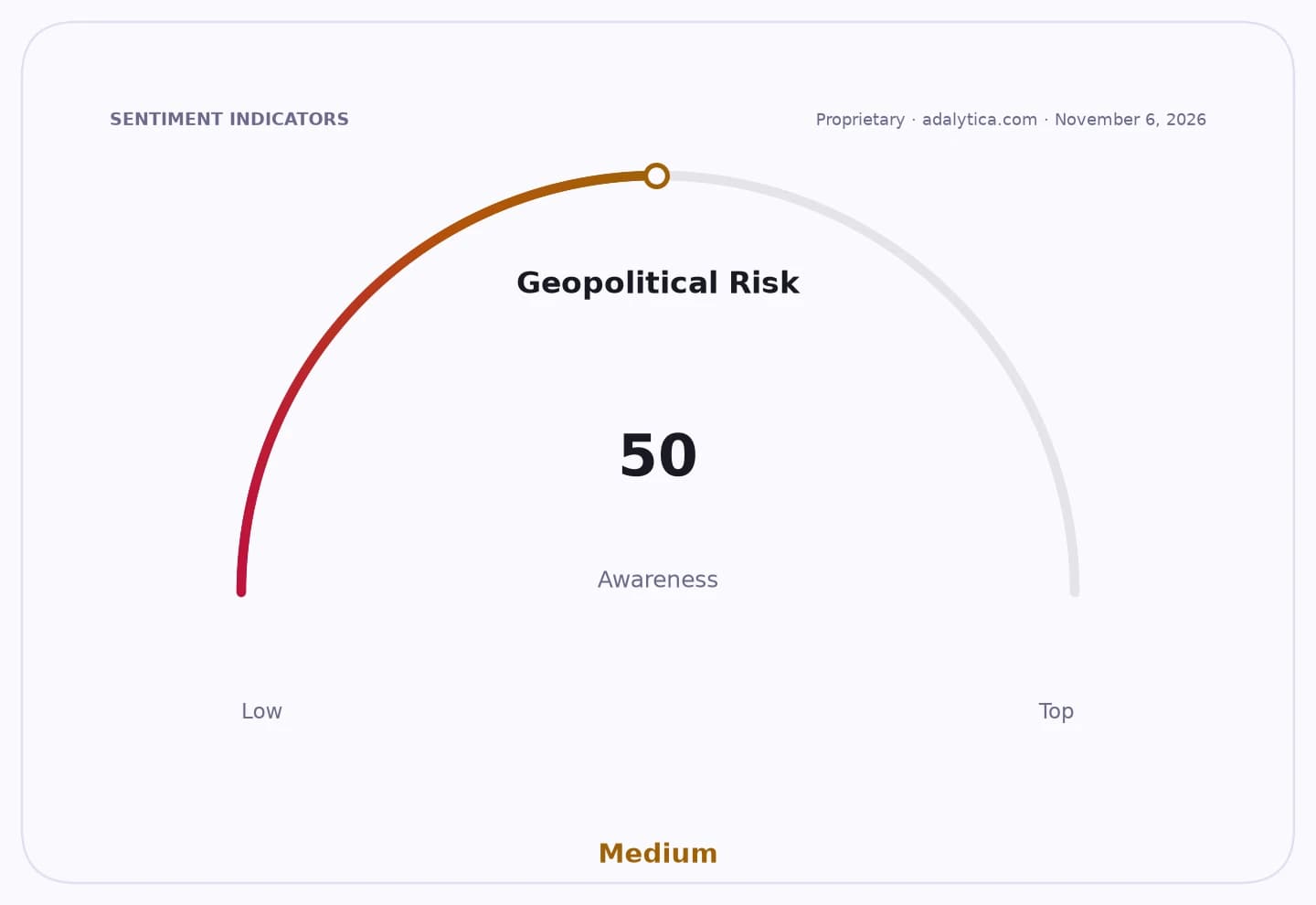
Sentiment Indicators
That is especially relevant now. U.S. oil benchmark West Texas Intermediate has been hovering around the high-$80s to near $90 a barrel in the latest data, while the 10-year Treasury yield has climbed to about 5.15%, a reminder that capital is expensive and investors want returns, not just growth stories. Energy stocks have also been volatile: the XLE energy ETF is back near $63.69 after trading as high as $70.02 earlier this quarter, while the oilfield services-heavy OIH has slipped to $361.14 from a recent $438.97 peak. The broader message is that the market still rewards operational discipline, not just higher prices.
That is where AIQ’s push fits. Oil and gas producers, service companies and national champions are all leaning harder on automation and analytics to squeeze more out of existing fields. Halliburton has talked about digital tools and electric fracturing platforms, while Schlumberger has been growing its digital revenues even as parts of the business soften. Baker Hughes has also been leaning into gas technology services. In other words, AI in energy is moving from a nice-to-have to part of the operating toolkit.
The opportunity is durable because the industry’s needs are durable. Exploration is still expensive, new supply is difficult to replace, and the push for lower-emission operations is forcing companies to measure, model and optimize more than ever. At the same time, countries from Nigeria to Vietnam are still investing in gas infrastructure because energy security often wins out over theory. That tension is exactly why software, data and automation should remain attractive to the sector over the next several years.
There are risks, of course. Commodity prices can swing quickly, and if crude falls or drilling budgets tighten, spending on new technology can slow. Investors should also remember that not every AI initiative produces immediate payback. But the long-term case is straightforward: if AIQ can help customers cut downtime, improve recovery rates and reduce operating costs, it could ride one of the most resilient trends in energy.
For long-term investors, that makes AI in oil and gas worth watching rather than chasing. The best winners in this space are likely to be the platforms that become embedded in daily operations, not the flashy pilots that fade after the first budget cut. If AIQ can help shape that shift, it could be positioned in a very investable corner of the energy transition.
| Entity | Gains | Losses |
|---|---|---|
| AIQ | ▲Broader industry adoption | ▼Slow customer spending |
| Oil and gas producers | ▲Lower costs, better output | ▼Upfront tech spending |
| Oilfield service peers | ▲More digital demand | ▼Commoditized offerings |
| Investors in efficient operators | ▲Higher cash flow potential | ▼Firms without AI edge |