A new way to decide which geological measurements really matter could lower the cost of organizing and evaluating gas fields, especially at a time when natural gas prices are under pressure and producers are obsessed with spending less to find each incremental molecule.
Gas field appraisal study cuts testing costs
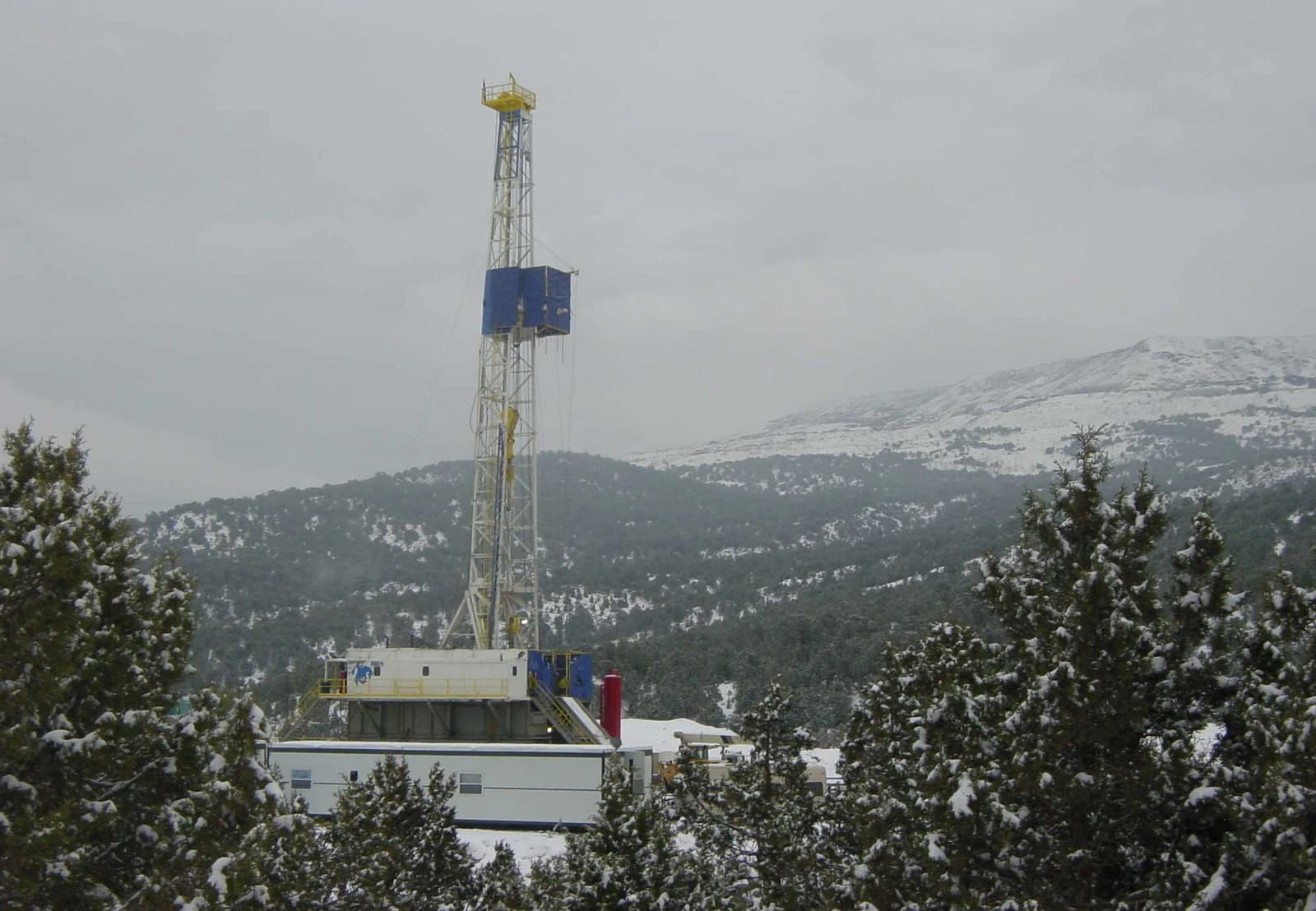
The breakthrough is not about drilling more wells or finding a giant new reserve overnight. It is about making field appraisal smarter. Researchers studying 66 gas accumulations in Western Siberia found that engineers do not need to measure every geological variable to the same depth at every field. By using computer models and so-called tornado experiments, they identified which factors most strongly affect production forecasts and which can be cut back without meaningfully reducing accuracy.
Sentiment Indicators
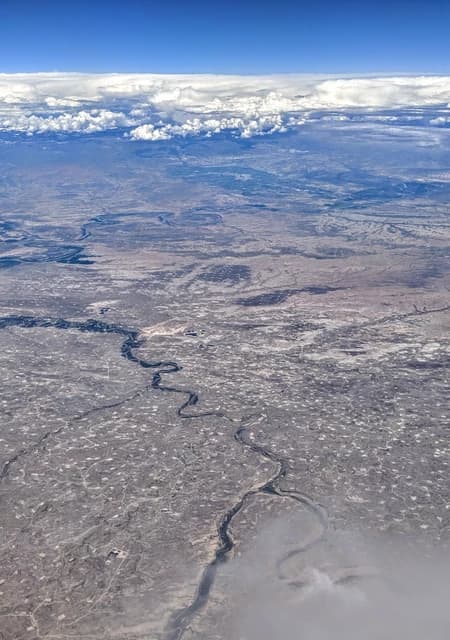
That matters because field evaluation is one of the expensive, slow parts of upstream development. To build a reliable reservoir model, companies usually need a long list of inputs — porosity, permeability, pressure, water properties and fluid flow behavior — gathered through drilling, sampling and lab work. Each of those steps costs time and money. If a producer can narrow the list of must-have measurements, it can spend less on appraisal before committing to development, shorten planning cycles and improve the economics of marginal gas projects.
The practical payoff is especially relevant for a sector that has been forced to become more disciplined. Oilfield-service companies have been telling investors that customers remain focused on capital efficiency, production optimization and operational discipline. That is exactly the backdrop in which software-driven appraisal tools can gain traction: not by promising a headline-grabbing discovery, but by shaving waste out of the process of turning a reservoir into cash flow.
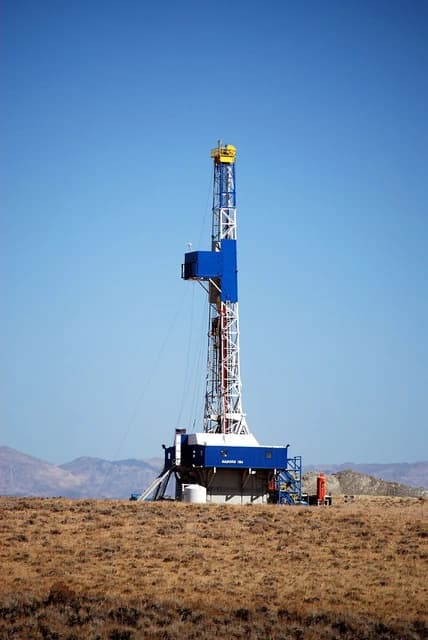
The Russian study suggests the biggest savings come from tailoring the exploration program to the reservoir type. In shallower Senoman formations, where rocks are more porous and loose, the behavior of water pressure and how gas and water move through the rock can matter most. In deeper, denser Goteriv layers, the more important tasks are estimating gas volumes correctly and determining which layers are actually contributing to production. In other words, one-size-fits-all field studies may be overkill.
For investors, that points to a quieter but very real source of value in the energy chain: better reservoir engineering. If companies can cut excess testing without sacrificing forecast quality, they can improve returns on capital, especially in gas projects where margins can be thin and commodity prices volatile. That could help independents, national producers and service providers alike, though the biggest winners are likely to be operators that can quickly adopt data-heavy workflow tools and translate them into lower per-field development costs.
There is also a broader competitive angle. The study says Russian-developed software was tested against foreign alternatives and held up on speed and accuracy across hundreds of calculation scenarios. In a world where energy companies increasingly depend on modeling, simulation and automation, that kind of domestic software capability can become strategically important — not just for lower costs, but for reducing dependence on imported technology.
Natural gas prices themselves remain the immediate market backdrop, with U.S. gas gauges showing extreme greed in Adalytica’s trade signals even as recent price action has been weak. That makes efficiency gains more valuable, not less. When commodity prices are choppy, the companies that survive and compound shareholder value are usually the ones that can bring down the cost of every decision, from seismic interpretation to final investment approval.
The long-term takeaway for energy investors is simple: the next gains in upstream gas may come as much from smarter subsurface analytics as from bigger rigs. That is good news for operators seeking durable returns and for service providers with strong software and modeling capabilities. It is worth watching, especially if you invest with a three- to 10-year horizon and care more about free cash flow than flashy discoveries.
| Entity | Gains | Losses |
|---|---|---|
| Gas producers | ▲Lower appraisal costs | ▼Fewer savings from bloated surveys |
| Oilfield-service and software vendors | ▲Demand for modeling tools | ▼Commodity work tied to heavy field studies |
| Investors in efficient operators | ▲Better returns on capital | ▼Firms with high finding costs |
| Foreign software rivals | ▲— | ▼Potentially weaker competitive edge |