Rosneft’s Samotlorneftegaz said it released 2.4 million juvenile fish into the rivers of Russia’s Khanty-Mansi region this year, underscoring how the oil producer is pairing environmental projects with operational changes that can also cut costs at its upstream assets.
Rosneft reports fish stocking and drilling savings
The ecological program matters because Samotlorneftegaz operates in Ugra, one of Russia’s core oil-producing regions, where companies face pressure to limit the environmental footprint of drilling and production. The latest release included 10,000 Siberian sturgeon fry in the Ob River, the final autumn batch in a program overseen by environmental regulators.
Sentiment Indicators
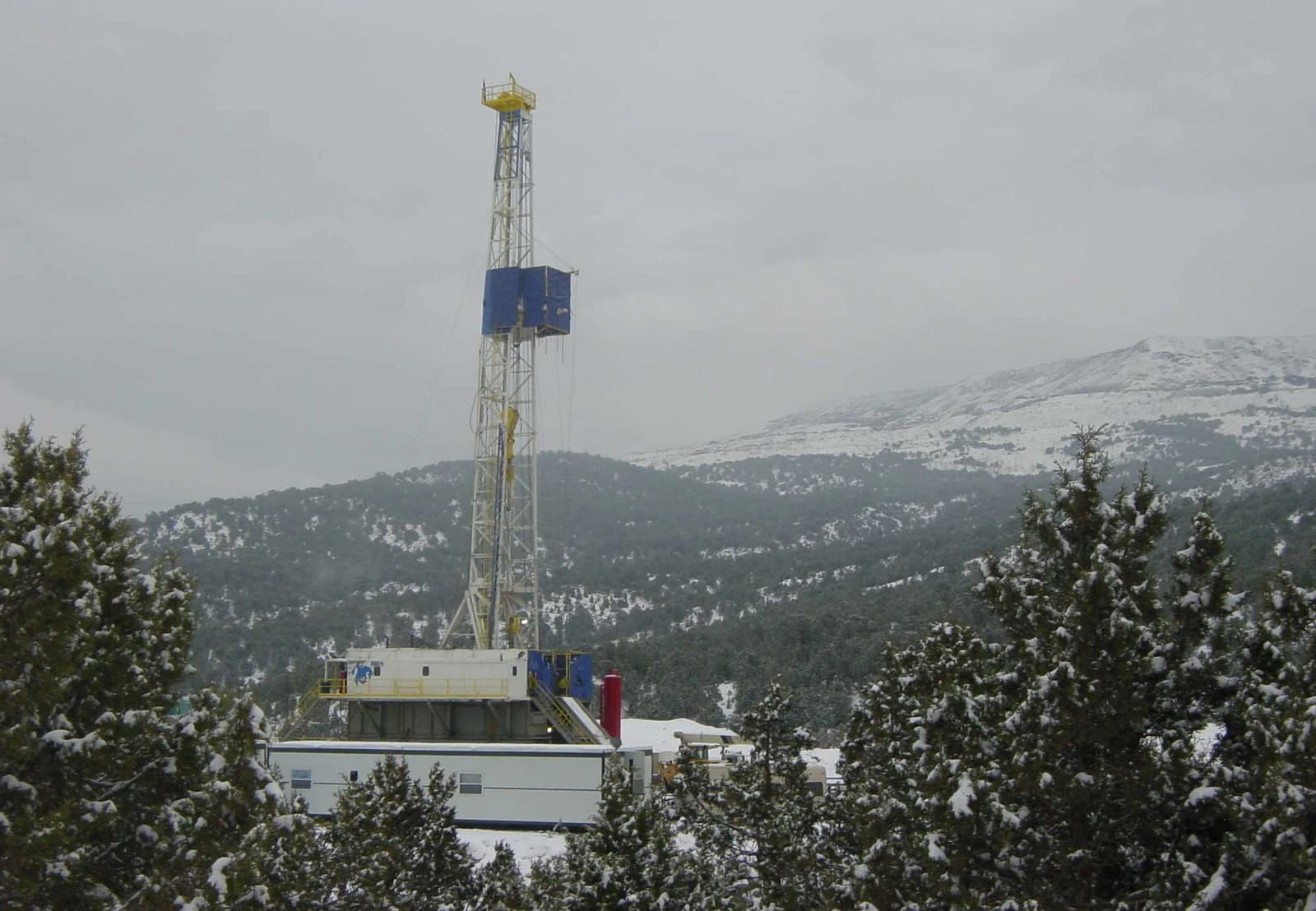
For investors, the bigger takeaway is that Rosneft is showing it can push both sustainability and efficiency across its portfolio. Alongside the fish stocking campaign, another Rosneft unit, the East Siberian Oil and Gas Company, said a new two-casing drilling design at the Yurubcheno-Tokhomskoye field can speed well construction by five days and deliver up to 40 million rubles in savings per well.
That kind of engineering gain matters in a capital-intensive sector where every day shaved off drilling time improves project economics and raises returns on hard-to-develop fields. The company said the design could be rolled out to 20 planned wells at the Namakara reservoir, suggesting the savings could scale quickly if the test results hold up.
The environmental work also fits Rosneft’s broader effort to present its operations as more resource-efficient and socially responsible at a time when Russian energy producers are balancing domestic production needs, regulatory scrutiny and long-term field depletion. The fish release was organized in Nizhnevartovsk with employees, students and local volunteers, reinforcing the company’s public commitment to biodiversity in Ugra.
The near-term focus for investors will be whether Rosneft can keep translating these kinds of field-level innovations into measurable cost reductions while maintaining output at mature assets such as Samotlor. Any broader rollout of the two-casing drilling method, or further ecological compliance work in key producing regions, will show up next in operating costs, project timelines and regional permitting risk.
| Entity | Gains | Losses |
|---|---|---|
| Rosneft/Samotlorneftegaz | ▲Public goodwill; biodiversity compliance | ▼Higher operating outlays |
| East Siberian Oil and Gas Company | ▲Faster drilling; lower well costs | ▼Traditional higher-cost methods |
| Ugra regulators and communities | ▲Better river stocking; local engagement | ▼None directly |
| Oil investors | ▲Potential margin support from efficiency gains | ▼Execution risk if rollout stalls |