Rosneft’s Bashneft has begun using industrial exoskeletons at a repair and mechanical plant in Ufa, in a move aimed at reducing worker fatigue, injuries and maintenance downtime as Russian industrial operators push harder on safety and productivity.
Rosneft Bashneft starts using industrial exoskeletons
The company said the Russian-made devices can increase worker endurance by about 1.5 times by shifting strain from the musculoskeletal system to the exoskeleton’s metal frame. Bashneft said that could help staff stay focused longer and speed up precision repair work, lowering the time equipment spends offline.
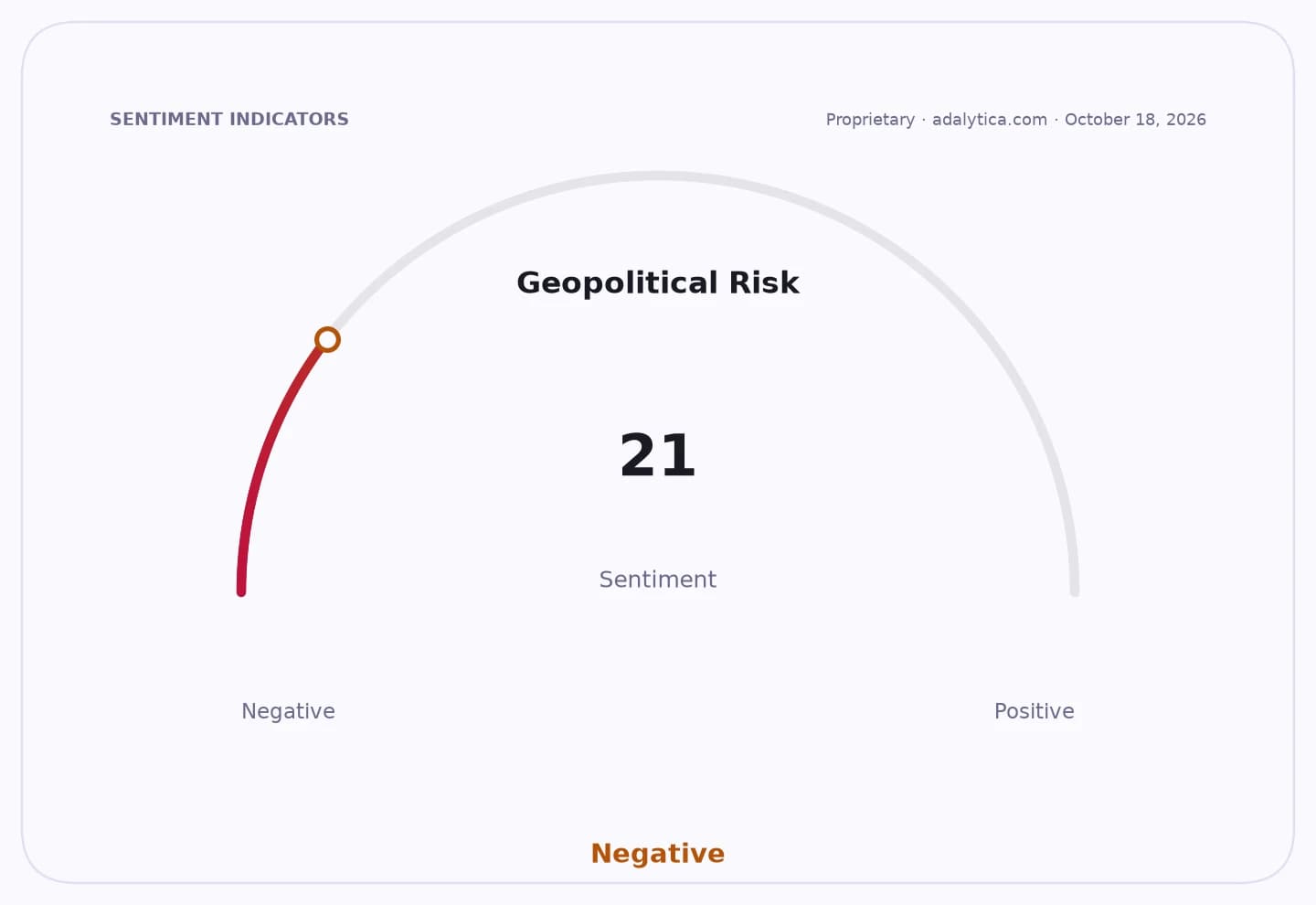
Sentiment IndicatorsⓘProprietary · adalytica.com · September 28, 2026
This is a snapshot — live sentiment, awareness and momentum for 130+ markets update continuously in the dashboard.Open AlphaPulse
The initial deployment is targeted at tasks where the physical burden is highest. Reinforced models are designed for heavy work and can support loads of up to 50 kilograms lifted to 1.2 meters, while lighter versions are meant for frequent bending, carrying smaller loads and working in awkward positions. Bashneft said the gear can nearly eliminate the risk of sprains, dislocations and minor joint injuries, and may also reduce the chance of chronic occupational disease over time.
For Rosneft, the pilot fits a broader drive to raise safety standards and industrial efficiency across its subsidiaries. The company said the Ufa trial will be used as the basis for scaling the practice to other Rosneft units, suggesting the exoskeleton program could expand beyond a single site if it proves effective.
For investors, the relevance is less about the equipment itself than the operational economics: fewer injuries can mean lower absenteeism, less equipment downtime and better maintenance throughput, all of which support margins in a capital-intensive refining and production business. The rollout also underscores the growing use of industrial automation and ergonomics as Russian producers seek incremental productivity gains without major plant rebuilds.
The key near-term catalyst is whether Bashneft discloses measurable gains from the pilot and whether Rosneft extends the program across more facilities.
| Entity | Gains | Losses |
|---|---|---|
| Bashneft | ▲Safer repairs, less downtime | ▼Higher upfront equipment costs |
| Rosneft | ▲Scalable productivity gains | ▼Execution risk if rollout stalls |
| Workers | ▲Lower strain and injury risk | ▼Need to adapt to new gear |
| Maintenance rivals | ▲Less obvious benefit | ▼Lose efficiency edge if slower to modernize |