Chinese humanoid robots are moving from demonstration floors into actual production lines, but the economics of that shift still depend on whether they can reliably handle the messy, repetitive work that humans do almost without thinking.
China humanoid robots move into factory production
That is the key investment story behind the first factory deployments in garment making, electronics assembly and auto parts: the technology is no longer confined to labs, yet the hardest problem remains basic manipulation of soft, changing materials. If humanoid robots can clear that hurdle, they could address labor shortages, lift throughput and shorten payback periods for manufacturers. If they cannot, adoption will stay limited to narrow, highly controlled tasks.
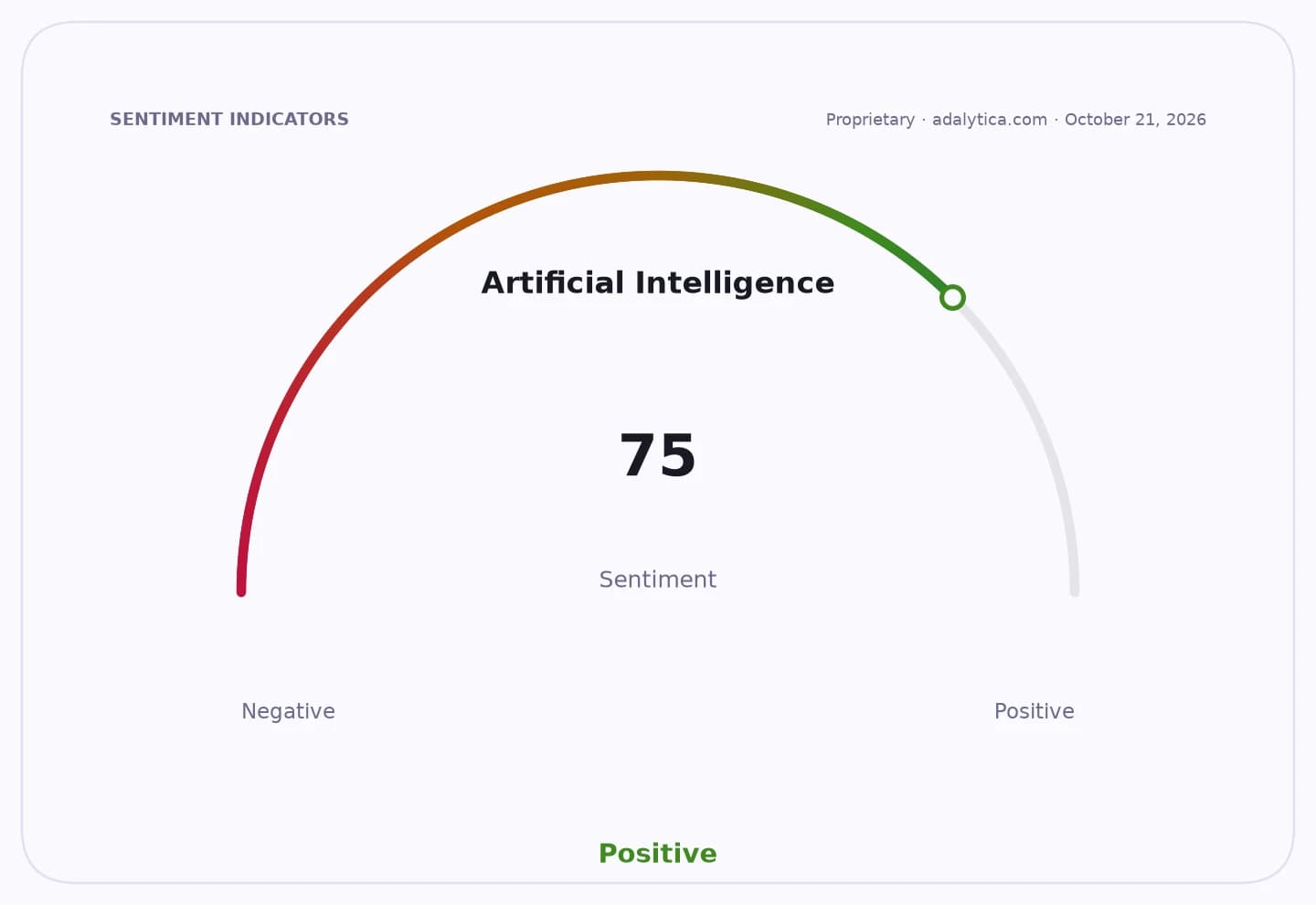
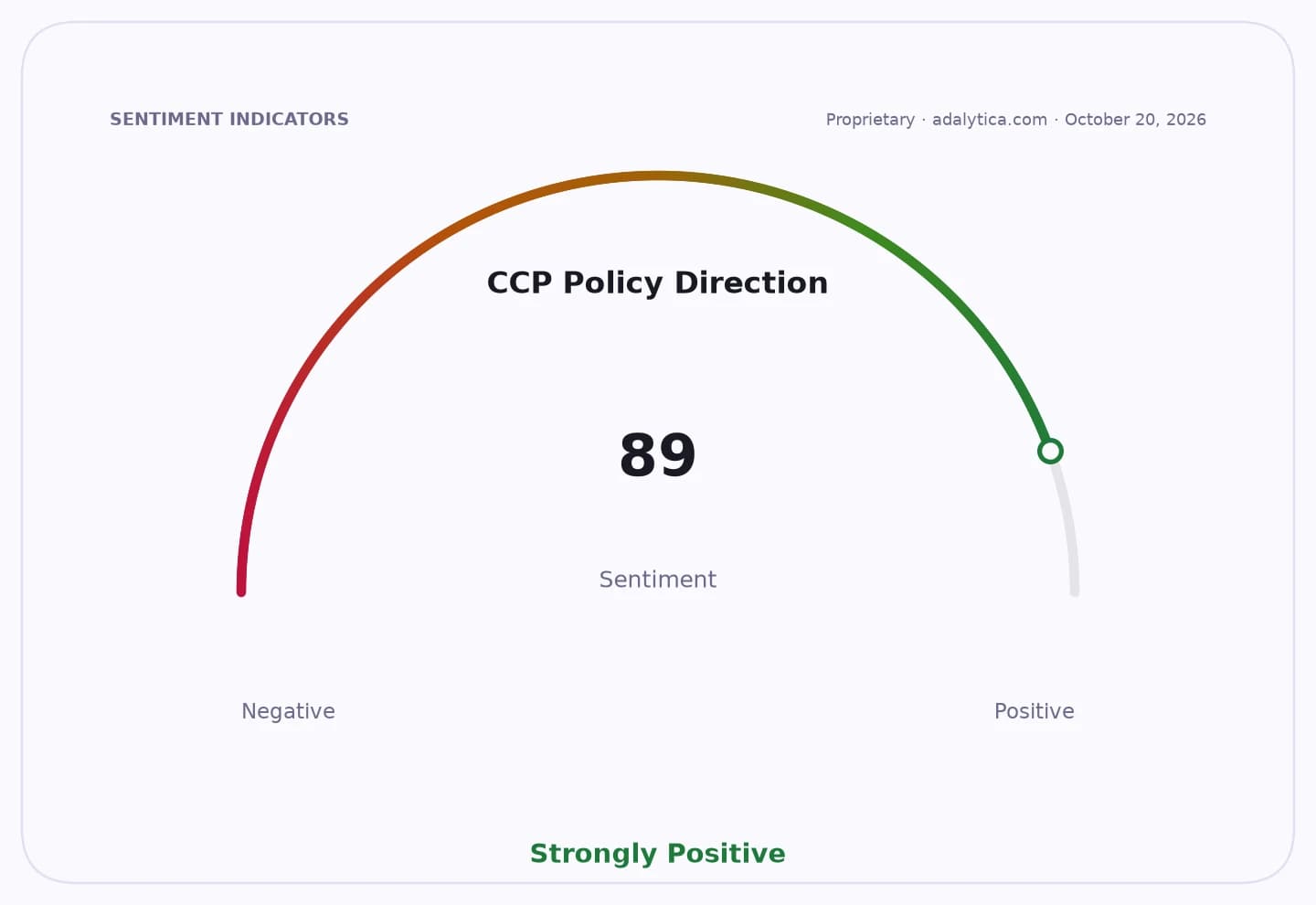
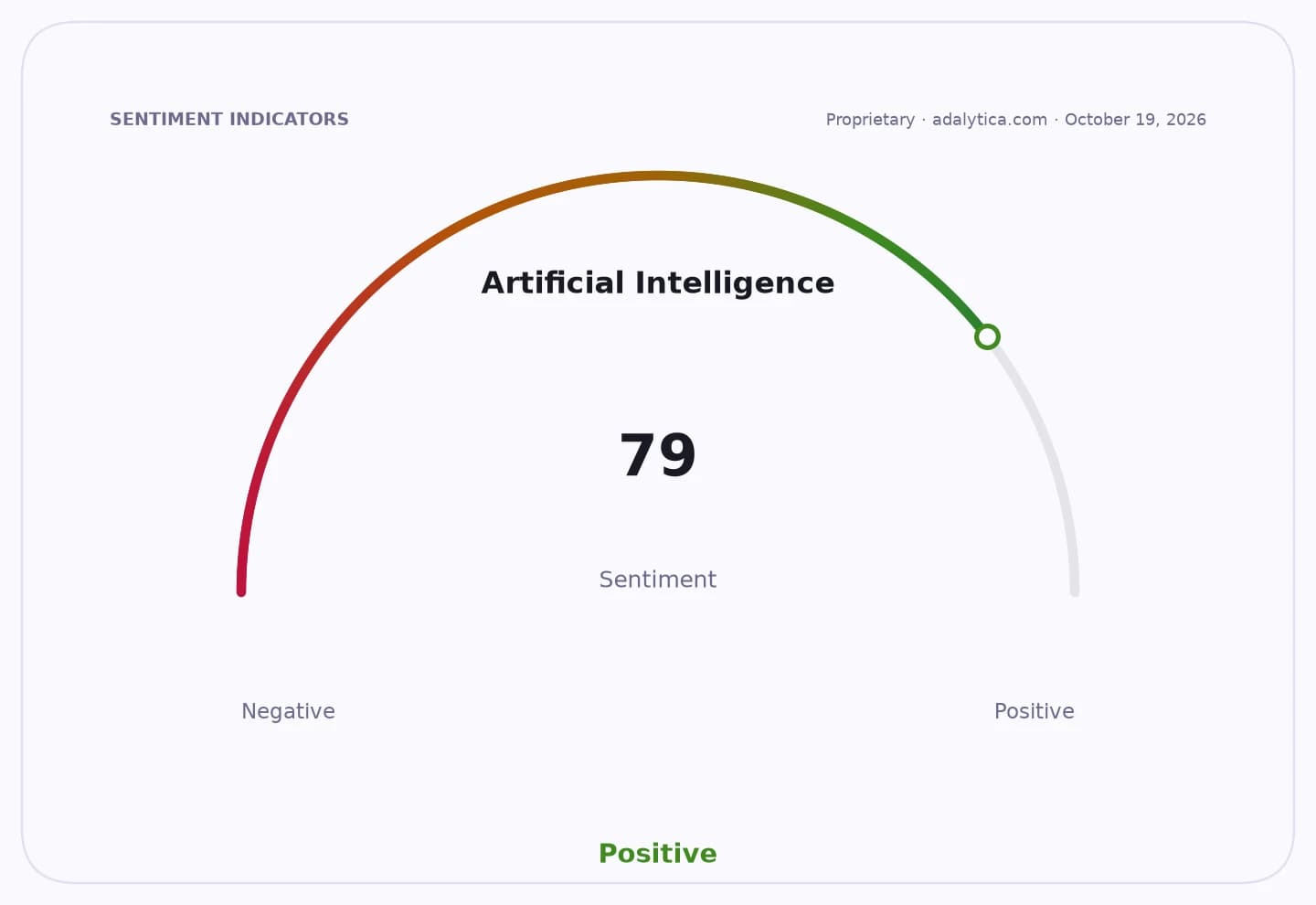
Sentiment IndicatorsⓘProprietary · adalytica.com · October 19, 2026
This is a snapshot — live sentiment, awareness and momentum for 130+ markets update continuously in the dashboard.Open AlphaPulse
In China, companies are already testing humanoid robots across textiles, furniture, automotive and aerospace lines, according to the report. One of the clearest examples is Aitu, a robot brand developed by Jack Technology for smart sewing equipment. In garment factories, Aitu is being trialled on repetitive tasks such as loading and unloading cutting machines, placing fabric on bag-sewing equipment and handling pieces on joining machines.
The appeal is obvious: apparel manufacturing is labor-intensive, highly repetitive and under pressure to improve efficiency. Jack Technology said Aitu has completed verification of the full process and is now deployed in some Chinese garment factories, with several lines running both trials and production. On a single product and single-fabric setup, the company said Aitu achieved a 97% success rate in separating cut fabric pieces and more than 98% compliance in sewing standards. It said the payback period is about 18 months.
That matters because a sub-two-year return is the kind of number that can move industrial buyers from curiosity to capital spending. For factories facing rising wages, tighter labor pools and the need for more flexible production, humanoid robots become commercially relevant only if they can improve output without forcing costly re-engineering of the line.
The more advanced use case is in electronics and auto components. Puzhi Future Robot Technology, a subsidiary of Pia Group, has deployed its G2 humanoid in 3C electronics assembly, loading and unloading, sorting, transport and parts inspection. In one trial at a major Chinese 3C manufacturer, G2 worked continuously for eight hours and completed 2,283 tasks without error. On an auto safety component line, it cut a threading cycle from about 18 seconds to as little as 12.9 seconds, lifting efficiency by roughly a third.
Those are meaningful productivity gains, but they also show where the technology is still constrained. The machines are not yet general-purpose workers. They are useful when the environment is structured, the task is repeatable and the object set is limited. The advantage is that AI-driven systems can learn to grip and place different parts over time, expanding their usefulness beyond a single motion.
The barrier is less about walking or navigation than dexterity. Manufacturers say the broader challenge is generalisation: teaching a robot to adjust force, grip and movement when it encounters a fabric or part it was not trained on. That problem is especially acute in clothing, where the material can wrinkle, slip, fold, stretch or stick, unlike rigid components with fixed shapes. Even a simple act such as laying a piece of cloth flat and feeding it into a sewing machine remains difficult for current systems.
For investors, that means the humanoid robot theme is shifting from pure narrative to execution risk. The opportunity is large enough to support a multi-year industrial buildout, particularly in China, where supply chains, factory density and state support can accelerate adoption. But the near-term winners are likely to be companies that sell narrow, factory-specific solutions rather than fully general humanoid platforms.
That split also frames the competitive landscape. Vendors that can prove reliability, uptime and payback in one or two workflows may win procurement budgets now, while broader platform players are still chasing the software and manipulation breakthroughs needed for wider deployment. The gap between a robot that can be shown working and one that can run a line day after day remains the central issue.
For manufacturers, the next stage is not whether humanoid robots can move like humans, but whether they can handle the unglamorous, variable work that factories actually pay for. For investors, that means watching not just headline deployments, but whether success rates, cycle times and operating hours hold up as production scales beyond pilot runs.
| Entity | Gains | Losses |
|---|---|---|
| Chinese manufacturers | ▲Lower labor pressure | ▼Higher automation risk |
| Humanoid robot makers | ▲New factory demand | ▼High deployment hurdles |
| Textile producers | ▲Faster repetitive tasks | ▼Human sewing jobs |
| Investors in industrial AI | ▲Early commercialization upside | ▼Slow scaling if dexterity lags |