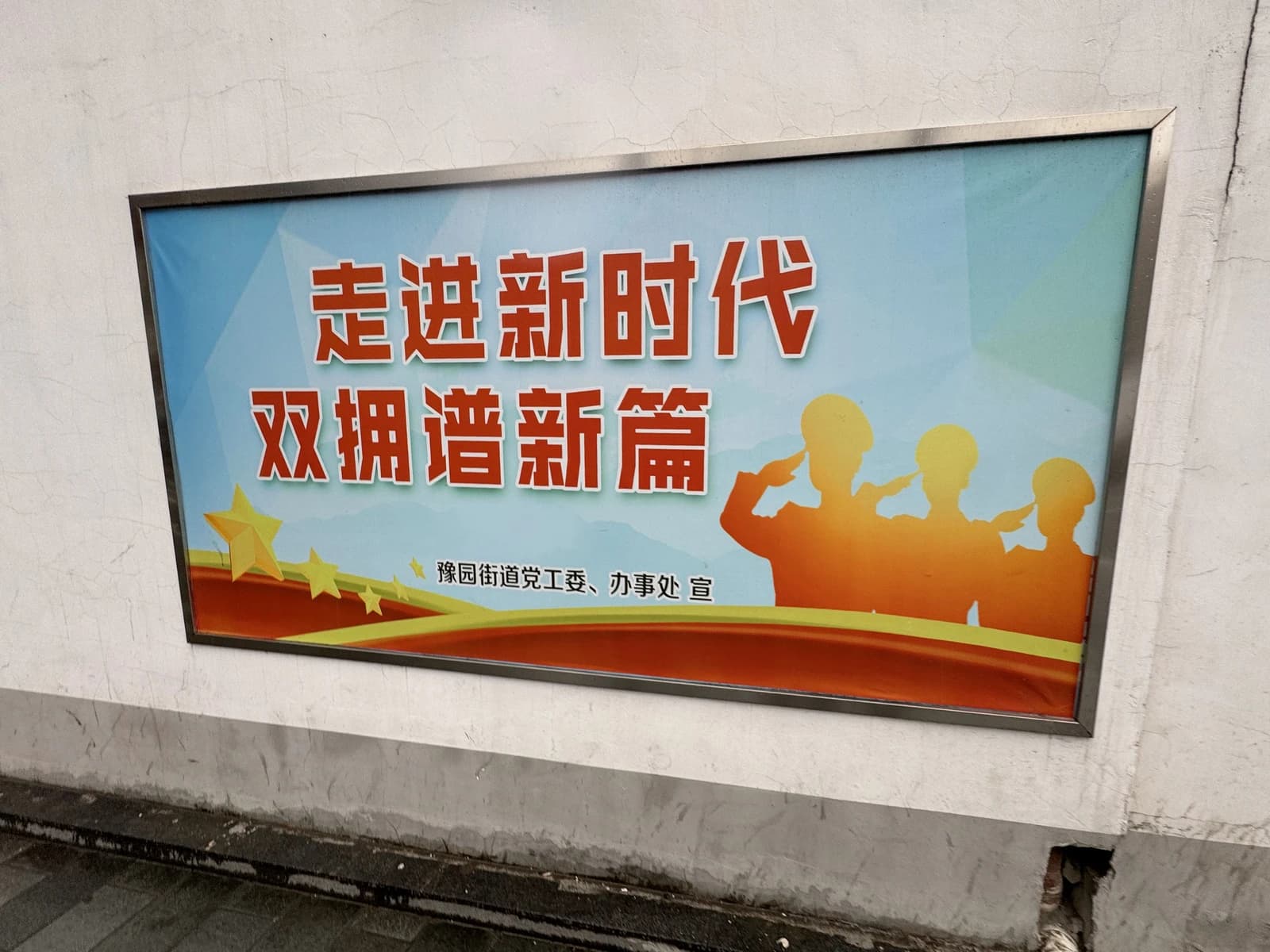
Chinese consumers are embracing artificial intelligence far more readily than Americans, and that gap matters because public trust will help decide which countries turn AI into lasting economic advantage.
China AI Adoption Tops U.S., Investors Eye Impact
In China, AI is increasingly being treated as a source of national pride, not just a productivity tool. A 2024 Ipsos survey found 83% of respondents in China said AI products and services bring more benefits than harm, compared with just 39% in the U.S. That enthusiasm has real economic consequences: when people are willing to use AI, accept its trade-offs and celebrate local champions such as DeepSeek, adoption can spread faster across workplaces, consumer apps and government-backed projects.
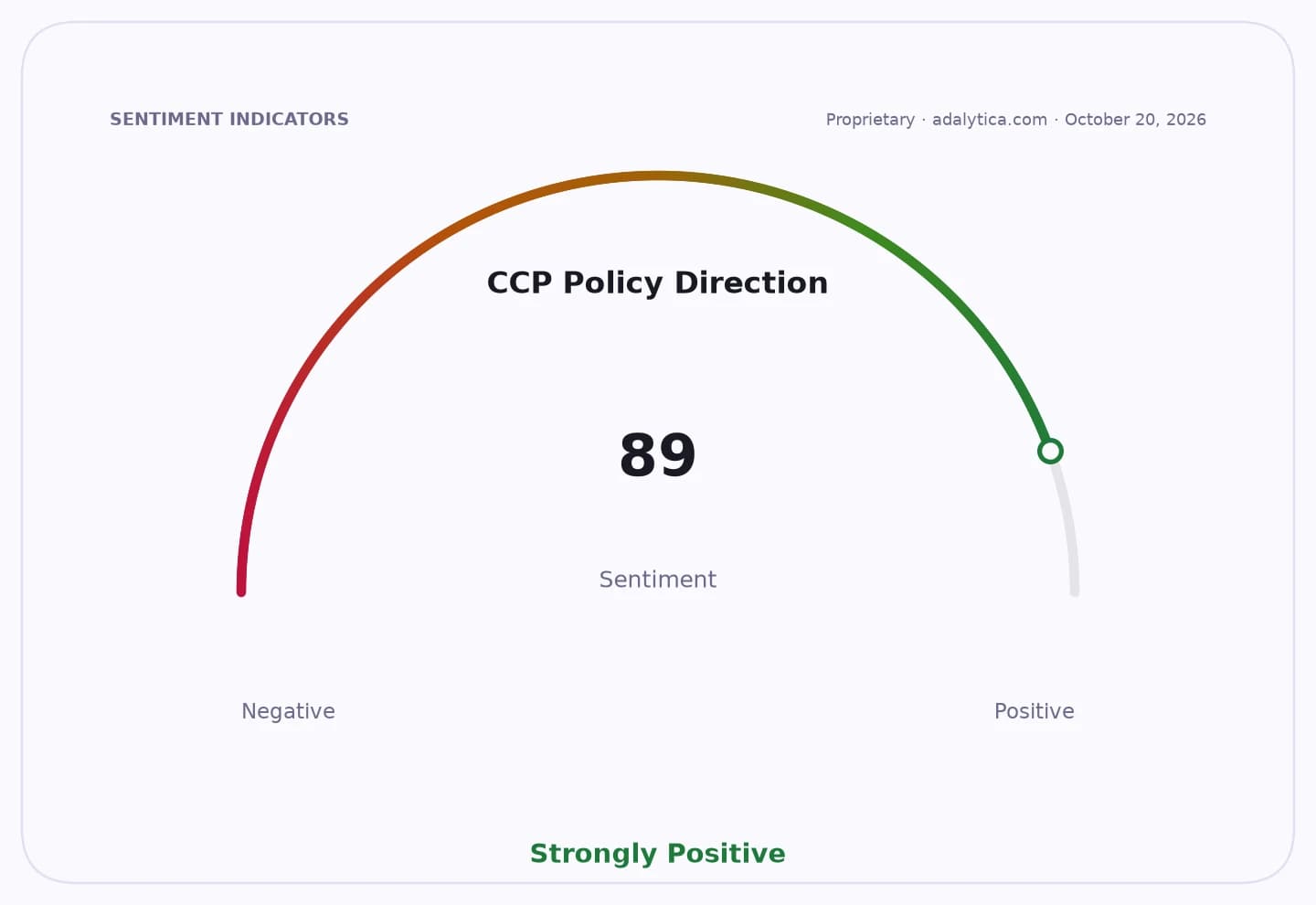
Sentiment IndicatorsⓘProprietary · adalytica.com · October 20, 2026
This is a snapshot — live sentiment, awareness and momentum for 130+ markets update continuously in the dashboard.Open AlphaPulse
That gives Chinese tech companies a powerful tailwind. DeepSeek’s rise in January 2025 was greeted as proof that domestic innovators can still compete with U.S. leaders despite export controls. For investors, that kind of homegrown confidence can support demand for AI software, cloud services and chips inside China, even as geopolitical barriers limit access to top-end American technology. It also helps explain why Chinese-made AI models are being used not just by local firms but by institutions such as Korea Investment Corp. for internal operations.
The U.S. picture is more complicated. Americans are not rejecting AI outright, but they are far more likely to question who pays for the infrastructure and who captures the gains. In Tucson, Arizona, local officials halted a data-center project linked to Amazon Web Services after residents objected to higher power demand, utility costs and a lack of transparency. That’s a reminder that AI’s buildout is not only a software story; it is an energy, land-use and public-policy story too.
For investors, the divide matters because AI winners will need more than cutting-edge models. They will need public permission to scale. In the U.S., that means navigating rising scrutiny around electricity use, water consumption, job displacement and data-center siting. In China, the upside is a more supportive social mood, but the risk is tighter state control over how AI is deployed and how freely profits can accrue.
There is also a broader market implication. The companies best positioned to compound value over the next decade will be the ones that can convert AI excitement into everyday utility without triggering a political backlash. That includes infrastructure providers, cloud platforms, chipmakers and application developers on both sides of the Pacific. The challenge is not just building the technology; it is convincing society that the benefits are worth the disruption.
For long-term investors, the message is simple: AI adoption is not evenly distributed, and sentiment can shape returns as much as technical progress. The gap between Chinese optimism and American caution is worth watching closely, because it may determine where the next wave of AI spending, regulation and shareholder value ends up.
| Entity | Gains | Losses |
|---|---|---|
| Chinese AI firms | ▲Faster adoption | ▼Fewer domestic skeptics |
| U.S. AI builders | ▲Breakthrough technology | ▼Slower local acceptance |
| Data-center operators | ▲More computing demand | ▼Local resistance and delays |
| Long-term investors | ▲Secular AI growth | ▼Policy and social backlash |